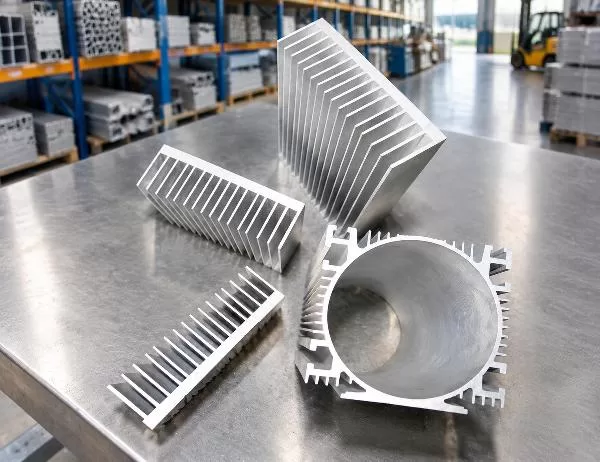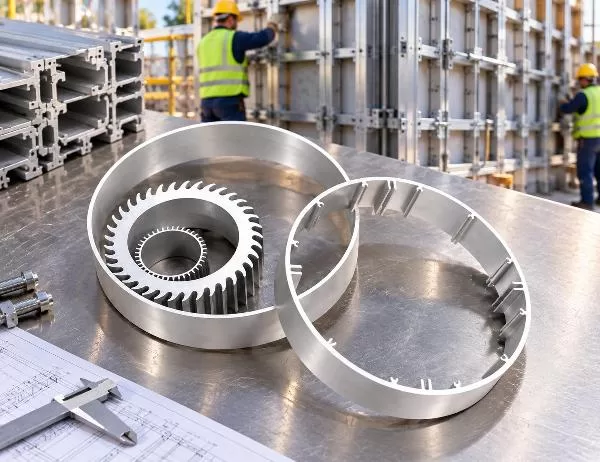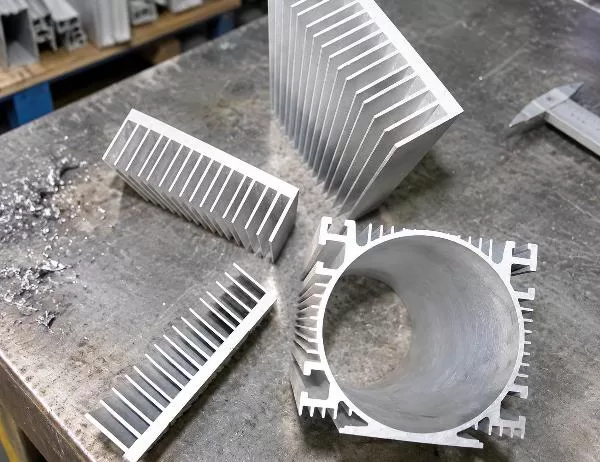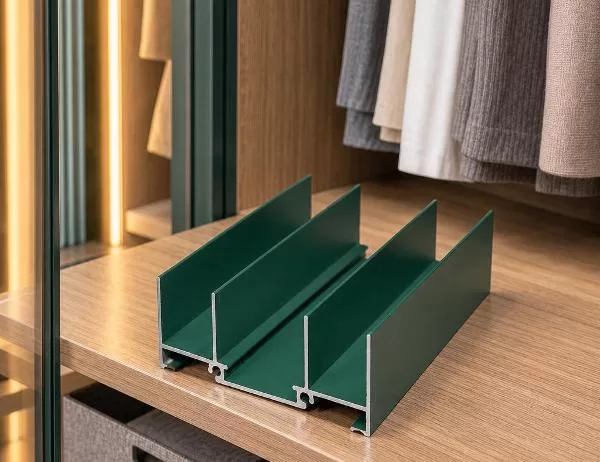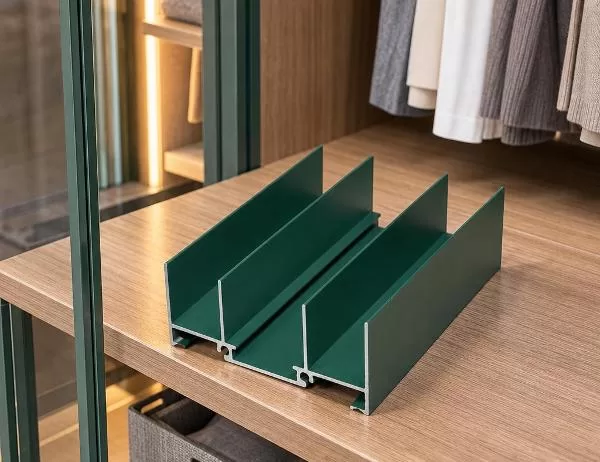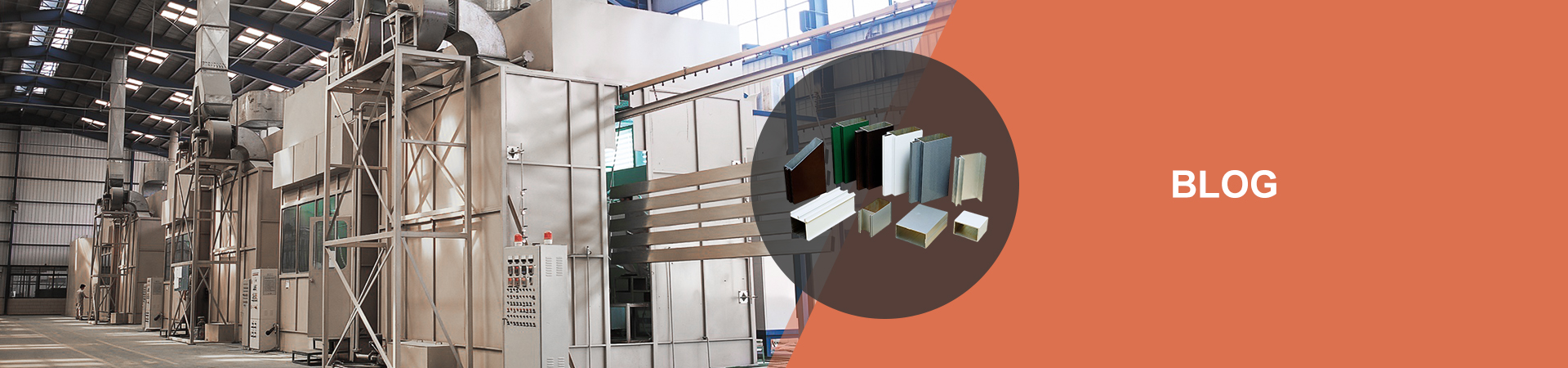
Aluminum track profiles are essential components in various industries, including construction, transportation, and automotive. Their production requires precision and efficiency, which is where automation plays a significant role.
Increased Efficiency and Speed
Automation enables the optimization of the manufacturing process by automating repetitive tasks, such as cutting, bending, and drilling. Automated machines can operate 24/7, increasing throughput and reducing production time significantly. By eliminating human intervention, the process is streamlined, leading to increased efficiency and faster production cycles.
Improved Precision and Quality
Automated machines can perform tasks with higher precision than manual labor. CNC (computer numerical control) machines, for example, can accurately cut complex profiles with minimal deviation. Automated systems also ensure consistency throughout the manufacturing process, reducing the risk of defects and errors. The resulting aluminum track profiles meet stringent quality standards and have a uniform and aesthetically pleasing appearance.
Reduced Labor Costs
Automation reduces reliance on manual labor, lowering labor costs. Automated machines can operate without supervision, eliminating overtime pay and benefits associated with human workers. This cost savings can be significant, especially in large-scale manufacturing operations, and can translate into lower product prices for customers.
Enhanced Safety
Automation eliminates the need for workers to perform hazardous tasks, such as handling heavy materials or operating sharp tools. Automated systems provide safety features, such as guards and interlocks, to minimize the risk of accidents and injuries in the workplace. By ensuring worker safety, automation creates a healthier and more productive work environment.
Flexibility and Customization
Automated manufacturing systems offer flexibility and customization options. CNC machines can be programmed to produce a wide variety of aluminum track profiles with different sizes, shapes, and specifications. Automated systems can also easily accommodate changes in design or production volume, ensuring quick response to market demands.
Conclusion
Automation plays a vital role in the manufacturing of aluminum track profiles. It enhances efficiency, improves precision and quality, reduces labor costs, enhances safety, and provides flexibility and customization. By embracing automation, manufacturers can optimize their operations, reduce production time and costs, and meet the evolving demands of the industry while maintaining high standards of quality.