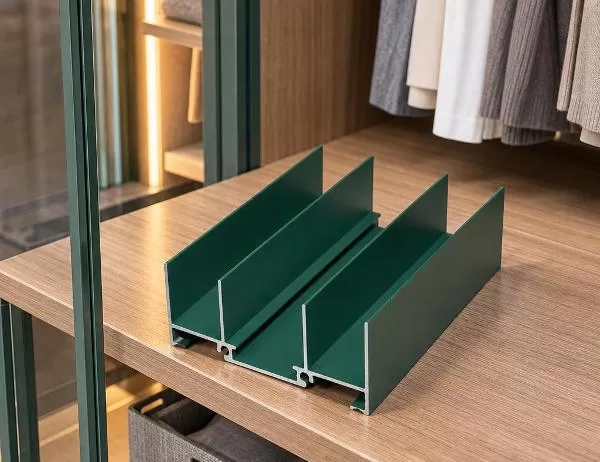
Working with 8mm aluminium sheets can be a challenging but rewarding experience. However, it is important to be aware of the common mistakes that can be made when working with this material. By avoiding these mistakes, you can ensure that your project turns out successfully.
There are several mistakes that should be avoided when working with aluminium sheets. These mistakes can lead to problems with the finished product, so it is important to be aware of them before you start your project.
Incorrect Cutting
One of the most common mistakes when working with 8mm aluminium sheets is cutting them incorrectly. Aluminium is a soft metal, so it is important to use a sharp blade when cutting it. If the blade is not sharp, it will tear the aluminium and create a ragged edge. This can make it difficult to join the pieces of aluminium together and can also lead to corrosion.
Not Deburring the Edges
Another common mistake is not deburring the edges of the aluminium sheets. Deburring is the process of removing the sharp edges from the aluminium. This is important because the sharp edges can be a hazard to work with and can also cause the aluminium to tear. Deburring can be done with a file or a sanding block.
Not Cleaning the Aluminium
Before you start working with aluminium sheets, it is important to clean them. This will remove any dirt or debris that could interfere with the bonding process. Cleaning the aluminium can be done with a mild detergent and water.
Not Using the Right Adhesive
When joining aluminium sheets, it is important to use the right adhesive. There are many different types of adhesives available, but not all of them are suitable for use with aluminium. The best type of adhesive for aluminium is a two-part epoxy adhesive. This type of adhesive is strong and durable, and it will create a permanent bond between the aluminium sheets.
Not Clamping the Aluminium
When joining aluminium sheets, it is important to clamp them together. This will help to ensure that the bond is strong and durable. The clamps should be placed evenly along the length of the joint.
Not Allowing the Adhesive to Cure
Once you have applied the adhesive, it is important to allow it to cure completely. The curing time will vary depending on the type of adhesive that you are using. It is important to follow the manufacturer’s instructions for curing the adhesive.
By following these tips, you can avoid the common mistakes that are made when working with 8mm aluminium sheets. This will help you to ensure that your project turns out successfully.