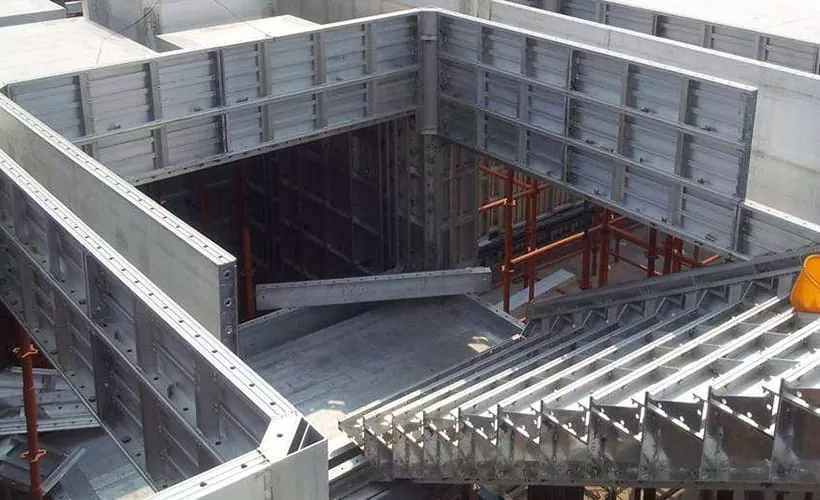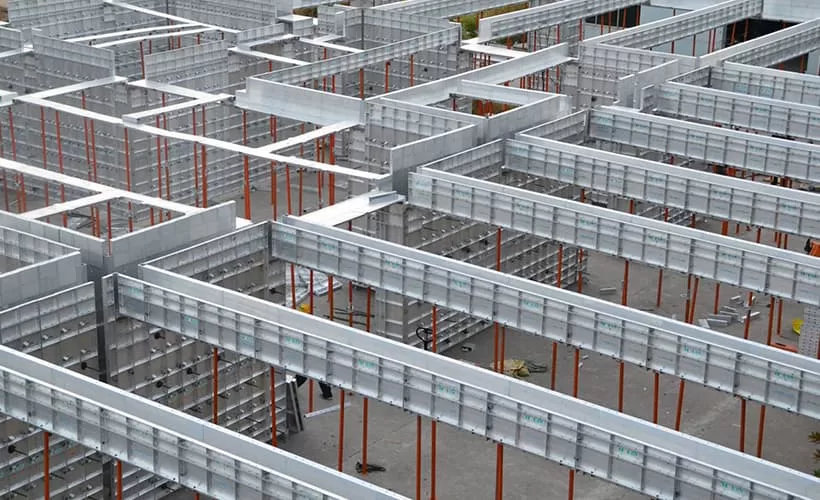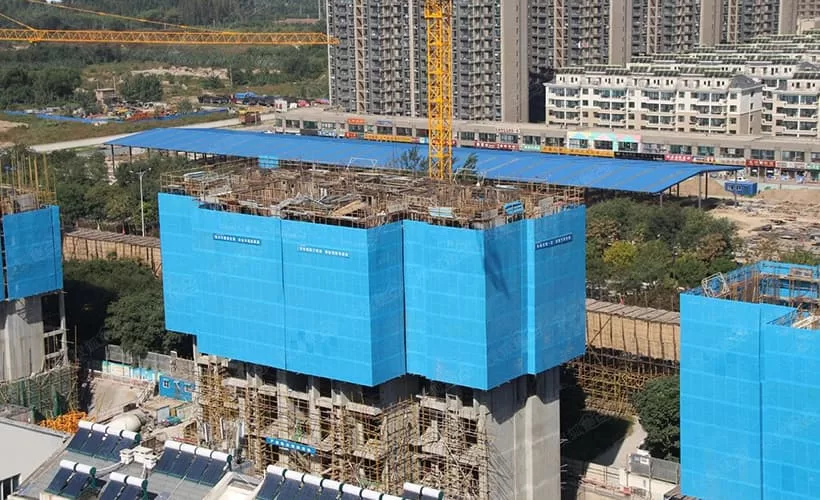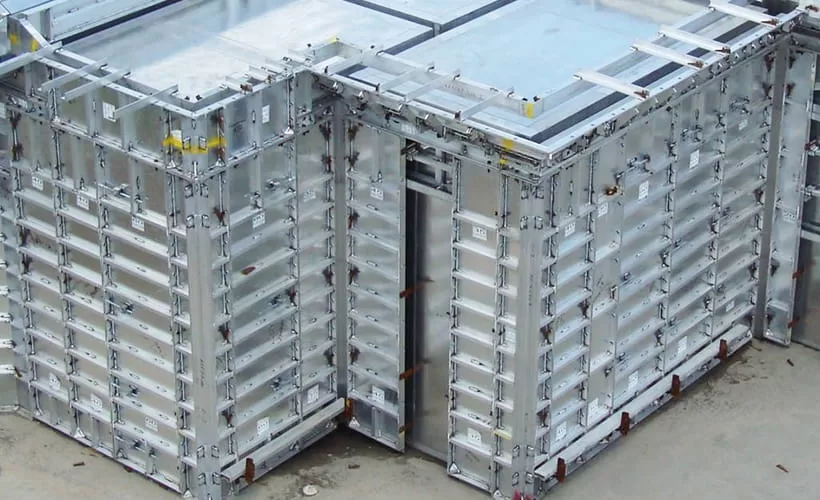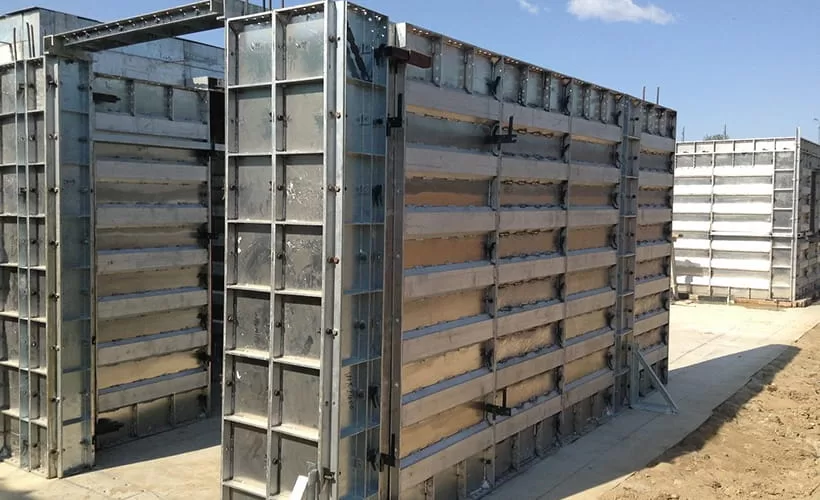
Mivan aluminium formwork technology refers to the use of prefabricated aluminum panels as formwork for concrete construction. This innovative approach offers numerous advantages over traditional formwork systems, such as faster construction times, reduced labor costs, and enhanced structural integrity. In recent years, Mivan aluminium formwork technology has gained significant traction in the construction industry, and its future holds even more promising advancements.
One of the key trends driving the future of Mivan aluminium formwork technology is its focus on sustainability and reducing environmental impact. Aluminum is a highly recyclable material, and Mivan formwork systems can be reused multiple times, minimizing waste and promoting circularity in the construction process. Additionally, the lightweight nature of aluminum reduces the amount of raw materials required for construction, further contributing to environmental conservation.
The increasing adoption of digitalization and automation is transforming various aspects of the construction industry, and Mivan aluminium formwork technology is no exception. Advanced software and automated systems are being integrated to enhance design, fabrication, and installation processes. This enables greater precision, efficiency, and quality control, while reducing human error and labor costs. The use of drones and robotics for surveying, monitoring, and assembly further optimizes construction operations, leading to faster project completion and improved safety.
Prefabrication and modularization are becoming increasingly prevalent in the construction industry, and Mivan aluminium formwork technology is well-suited for this approach. Modular panels can be designed to meet specific project requirements, allowing for greater flexibility and customization. This modularity enables the creation of complex and innovative architectural designs, while also simplifying the construction process and reducing the risk of errors. Additionally, the use of specialized coatings and finishes on aluminum panels allows for enhanced aesthetics and durability, catering to the diverse needs of modern architecture.
The integration of sensors and IoT (Internet of Things) technology into Mivan aluminium formwork systems is another emerging trend. Smart formwork enables real-time monitoring of concrete curing, structural integrity, and other parameters. This data can be analyzed to optimize construction processes, predict potential issues, and ensure the timely and safe completion of projects. Connected formwork also facilitates efficient communication and coordination between project stakeholders, improving overall efficiency and collaboration.
Ongoing research and development efforts in the field of materials science and engineering are driving advancements in Mivan aluminium formwork technology. High-strength alloys, corrosion-resistant coatings, and advanced composite materials are being explored to enhance the durability, performance, and longevity of aluminum formwork systems. Innovative design concepts, such as self-climbing formwork and adaptive systems, are being developed to further optimize construction efficiency and address the challenges of complex architectural designs.
The future of Mivan aluminium formwork technology holds immense promise for the construction industry. By embracing sustainability, digitalization, modularization, smart connectivity, and material innovation, this technology is poised to transform the way buildings are designed and constructed. Its potential to reduce construction times, improve quality, enhance environmental sustainability, and facilitate greater architectural creativity makes it a valuable tool for the future of building construction. As the industry continues to evolve, Mivan aluminium formwork technology will undoubtedly play a pivotal role in shaping the built environment of tomorrow.