Extruded aluminum pipes are widely used in various industries due to their lightweight, corrosion resistance, and durability. However, it is crucial to prioritize safety when using these pipes to avoid potential hazards. Here are key considerations to ensure a safe work environment:
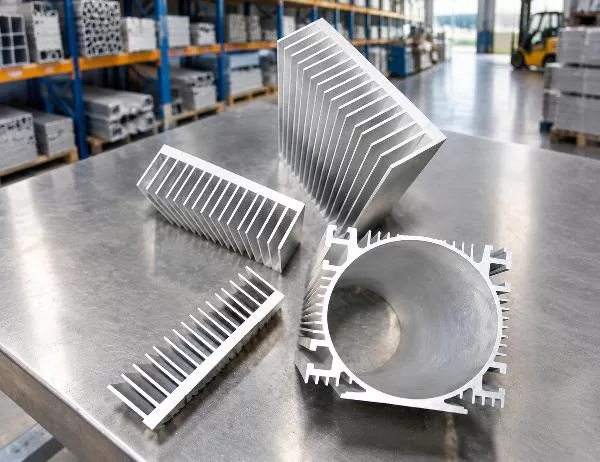
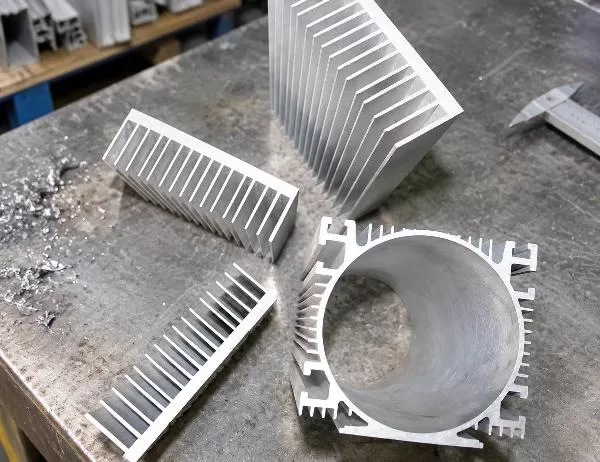
Extruded aluminum pipes have sharp edges that can cause cuts and abrasions. It is essential to wear appropriate protective gear, such as gloves, to prevent injuries while handling and cutting the pipes. Deburring the edges using tools like files or sandpaper can remove sharp burrs and reduce the risk of accidental cuts.
Aluminum pipes can be lightweight, but longer lengths or larger diameters can become heavy. Proper handling and support are crucial to prevent accidents. Ensure that adequate personnel or lifting equipment is available to move heavy pipes safely. Additionally, secure the pipes securely during transport and storage to prevent potential falling hazards.
While aluminum is generally corrosion-resistant, certain applications may expose the pipes to corrosive chemicals. In such cases, it is essential to use appropriate protective coatings or take measures to prevent contact with corrosive substances. Furthermore, welding or cutting aluminum pipes can release fumes containing hazardous compounds. Adequate ventilation and proper respiratory protection must be implemented to minimize exposure to these fumes.
Electrical Conductivity
Extruded aluminum pipes are excellent electrical conductors. Therefore, it is crucial to prevent electrical hazards by properly grounding the pipes and isolating them from live electrical sources. Careless handling of the pipes near electrical equipment or power lines can lead to electrical shock or short circuits.
Load Capacity and Deformation
The load capacity and deformation of aluminum pipes should be carefully considered based on the intended application. Overloading the pipes can cause excessive bending or even failure. Proper engineering calculations and adherence to safety guidelines are essential to determine the maximum load the pipes can withstand. It is also important to inspect the pipes regularly for any signs of damage or deformation that could compromise their integrity.
Environmental Factors
Environmental factors can impact the safety of extruded aluminum pipes. Exposure to extreme temperatures, harsh weather conditions, or corrosive environments can affect the material’s properties and integrity. Proper protective measures, such as coatings or insulation, should be considered to mitigate these effects and ensure long-term safety.
Regular maintenance and inspection are essential to ensure the safety of extruded aluminum pipes. This includes cleaning, visual inspections for corrosion or damage, and testing the pipes’ integrity to identify any potential issues. Preventive maintenance programs can help detect and address problems early on, preventing catastrophic failures and ensuring a safe working environment.