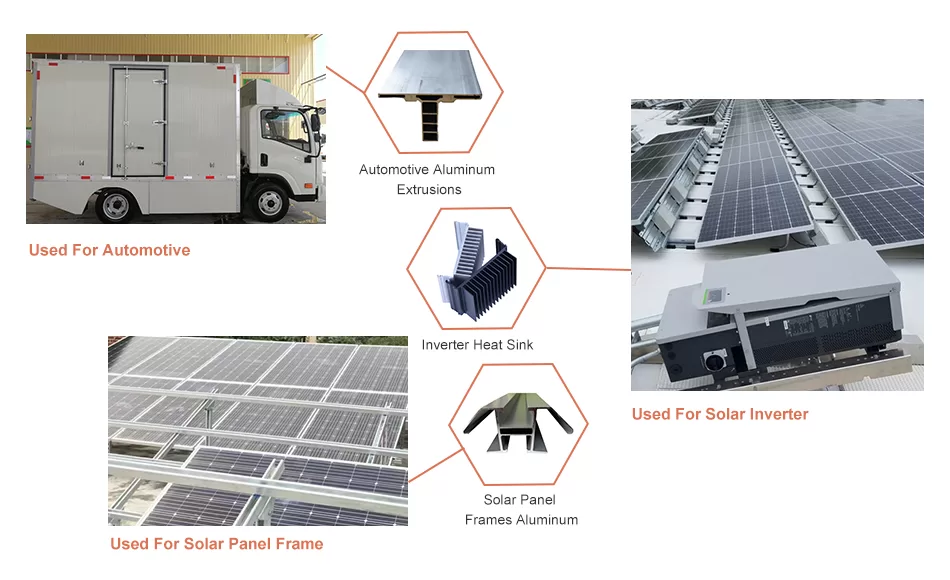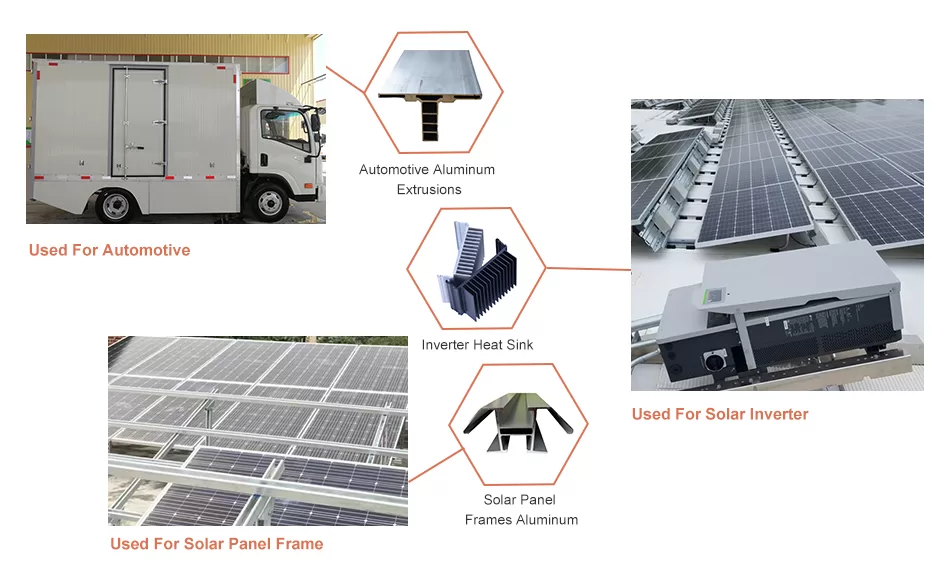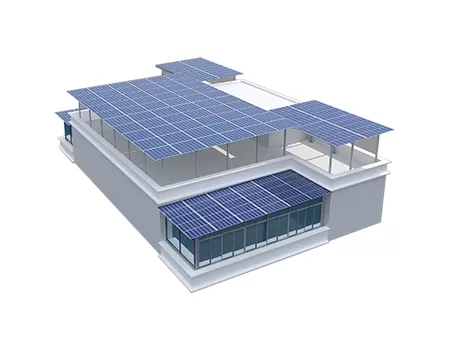
The increasing adoption of solar energy is essential for mitigating climate change, but it is also crucial to consider the environmental implications of solar panel production. Aluminum frame solar panels, widely used in the industry, have specific environmental impacts that require attention. This article explores the environmental impact of aluminum frame solar panel production, focusing on its various aspects.
Raw Material Extraction and Processing
> Aluminum frame solar panels require significant amounts of aluminum, which is extracted from bauxite ore. Bauxite mining has severe environmental consequences, including deforestation, water pollution, and habitat destruction. The processing of bauxite into aluminum involves energy-intensive electrolysis, releasing greenhouse gases and hazardous chemicals.
Greenhouse Gas Emissions
> The production of aluminum frames contributes to greenhouse gas emissions. Electrolysis, the primary aluminum production process, releases perfluorocarbons (PFCs), potent greenhouse gases with a high global warming potential. The energy consumption associated with aluminum smelting further adds to the carbon footprint.
Water Consumption and Pollution
> Aluminum frame production requires substantial water resources. Bauxite mining and processing consume large amounts of water, potentially depleting local water sources and affecting water ecosystems. Industrial wastewater generated during aluminum production contains toxic chemicals that can pollute water bodies if not properly treated.
Land Use and Deforestation
> Bauxite mining requires extensive land areas for extraction and processing. This leads to deforestation, habitat loss, and the displacement of local communities. The infrastructure associated with aluminum frame solar panel production, such as smelters and processing facilities, also contributes to land use impacts.
Waste Generation and Disposal
> Aluminum frame production generates significant waste, including bauxite residue (red mud) and hazardous chemicals. Red mud, a byproduct of bauxite processing, contains heavy metals and poses environmental and health risks. Improper disposal of red mud can contaminate soil, water, and air.
Mitigation and Sustainable Practices
> Mitigating the environmental impact of aluminum frame solar panel production requires adopting sustainable practices. These include:
> – Using recycled aluminum: Recycling aluminum reduces the need for bauxite mining and lowers greenhouse gas emissions.
> – Implementing energy-efficient technologies: Improving energy efficiency in aluminum production reduces carbon emissions.
> – Treating industrial wastewater: Proper wastewater treatment systems minimize water pollution and protect aquatic ecosystems.
> – Minimizing waste generation: Optimizing production processes and recycling waste helps reduce the environmental burden associated with aluminum frame production.
Conclusion
The environmental impact of aluminum frame solar panel production must be carefully considered to ensure that the transition to renewable energy is sustainable. By adopting sustainable practices, minimizing waste, and using recycled materials, the solar panel industry can reduce its environmental footprint while still providing a clean energy source.