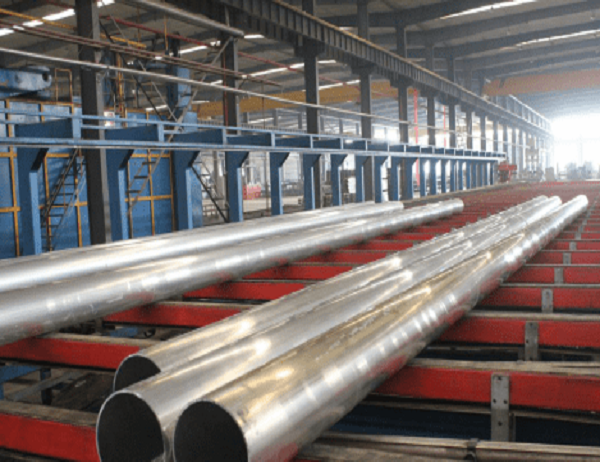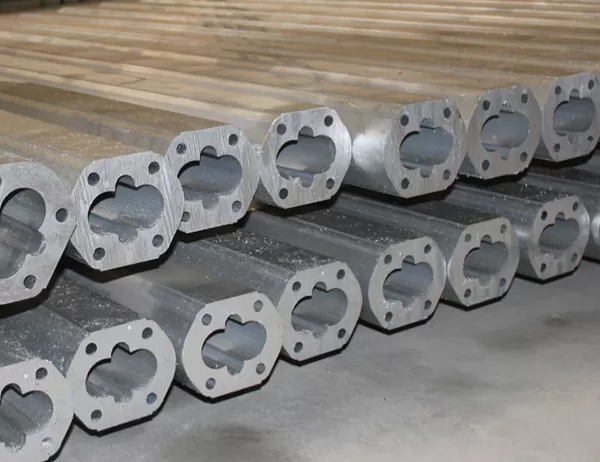
Aluminium pipes are essential components in numerous industrial applications, from construction and automotive to aerospace and renewable energy. The choice of aluminium pipe suppliers directly impacts product quality, project timelines, and overall operational efficiency. This comprehensive guide explores key factors to consider when selecting suppliers, industry best practices, and how to leverage aluminium pipe technology for competitive advantage.
Aluminium pipes are hollow cylindrical structures made from aluminium alloys, known for their lightweight properties, corrosion resistance, and excellent thermal conductivity. They are used in applications requiring strength-to-weight ratio optimization, such as heat exchangers, structural frameworks, and fluid transport systems. The right aluminium pipe suppliers can provide custom solutions tailored to specific industry requirements.
Partnering with experienced aluminium pipe suppliers offers numerous advantages, including:
Choosing the right supplier requires a systematic evaluation of several key factors. This section outlines the most important criteria to consider when assessing potential partners.
Top-tier aluminium pipe suppliers invest in state-of-the-art equipment and maintain rigorous quality standards. When evaluating suppliers, consider their:
Advanced suppliers often offer value-added services such as cutting, bending, and assembly, which can simplify your supply chain and reduce production costs.
The quality of aluminium pipes begins with material selection. Reputable suppliers maintain strict control over raw material sourcing and can provide documentation verifying material composition and performance. Look for suppliers that:
Quality assurance processes should include dimensional inspection, non-destructive testing, and surface quality checks to ensure compliance with industry standards.
Aluminium pipes find applications across diverse industries, each with unique requirements. This section explores how aluminium pipe suppliers support specific sectors.
The automotive industry uses aluminium pipes for fuel lines, brake systems, and structural components. Suppliers serving this sector must adhere to strict safety standards and provide materials with consistent mechanical properties. Case studies show that aluminium pipes can reduce vehicle weight by up to 40% compared to steel alternatives, leading to improved fuel efficiency and reduced emissions.
In renewable energy systems, aluminium pipes are used for solar thermal collectors, wind turbine components, and geothermal heat pumps. Suppliers serving this sector must offer corrosion-resistant materials and precise dimensional control. Modern HVAC systems rely on aluminium pipes for their excellent thermal conductivity and lightweight properties, requiring suppliers to stay current with energy efficiency standards.
The aluminium pipe industry is evolving rapidly, driven by technological advancements and changing market demands. This section examines key trends that will shape the future of aluminium pipe suppliers.
As environmental regulations become more stringent, suppliers are adopting sustainable practices throughout their operations. This includes using recycled aluminium (which requires 95% less energy than primary production), implementing energy-efficient manufacturing processes, and reducing waste through closed-loop systems. Forward-thinking suppliers are also developing carbon-neutral production processes and offering lifecycle analysis for their products.
The adoption of Industry 4.0 technologies is transforming aluminium pipe manufacturing. Suppliers are implementing digital twins, IoT-enabled equipment monitoring, and predictive maintenance systems to improve efficiency and reduce downtime. Advanced data analytics help optimize production parameters, leading to higher quality products and shorter lead times. These technologies also enable better supply chain visibility and customer collaboration.
Building a successful partnership with your supplier requires clear communication, shared goals, and mutual understanding. This section provides practical advice for maximizing the value of your supplier relationship.
Effective communication is essential for successful collaboration. When working with aluminium pipe suppliers, establish clear channels for:
Regular meetings and performance reviews help maintain alignment and address issues proactively.
Early supplier involvement in the design process can lead to significant cost savings and performance improvements. Experienced suppliers can provide valuable input on:
Collaborative engineering ensures that products are designed with both performance and manufacturing efficiency in mind.
Selecting the right aluminium pipe suppliers is a critical decision that impacts every aspect of your industrial operations. By evaluating technical capabilities, material expertise, industry experience, and commitment to innovation, you can find a partner that supports your current needs and future growth. The right supplier will not only provide high-quality products but also serve as a strategic resource for process improvement, cost reduction, and competitive advantage.
At Goldapple-Alu Aluminium, we combine decades of industry experience with state-of-the-art manufacturing capabilities to deliver custom aluminium pipe solutions tailored to your specific requirements. Our team of engineers works closely with clients to optimize designs, select the right materials, and ensure timely delivery of high-quality components. Whether you’re in automotive, renewable energy, or any other industry requiring precision aluminium pipes, we have the expertise to help you achieve your operational goals.