Aluminium T section extrusions are versatile structural components used in a wide range of industries, from construction and automotive to aerospace and renewable energy. The unique T-shaped profile offers exceptional strength-to-weight ratio, making it ideal for load-bearing applications. This comprehensive guide explores the design principles, manufacturing processes, and key considerations when selecting aluminium T section extrusions for your projects.
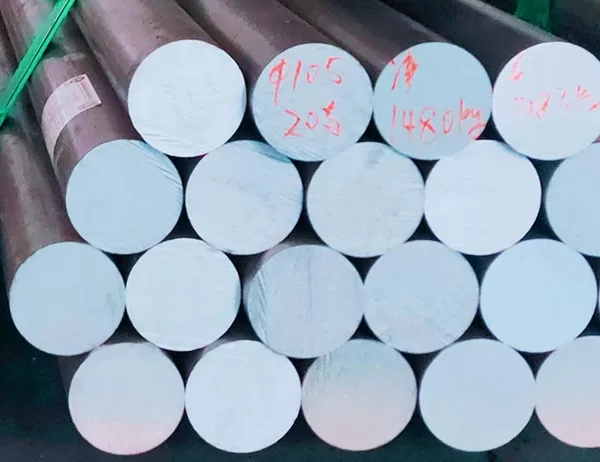
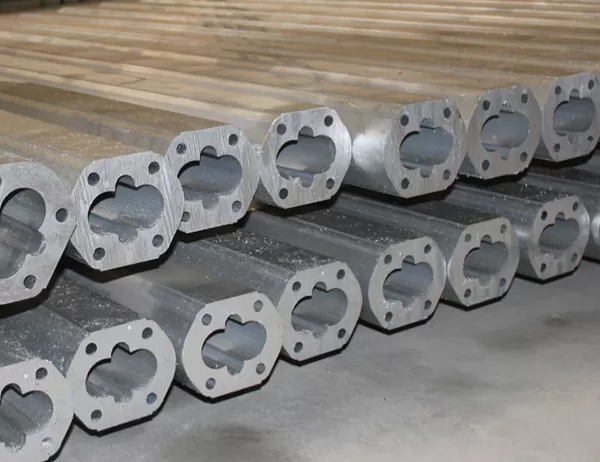
Aluminium T section extrusions are formed by forcing heated aluminium billets through a T-shaped die, creating a profile with a vertical stem and horizontal flange. This design provides excellent structural rigidity while maintaining lightweight properties. Key characteristics include:
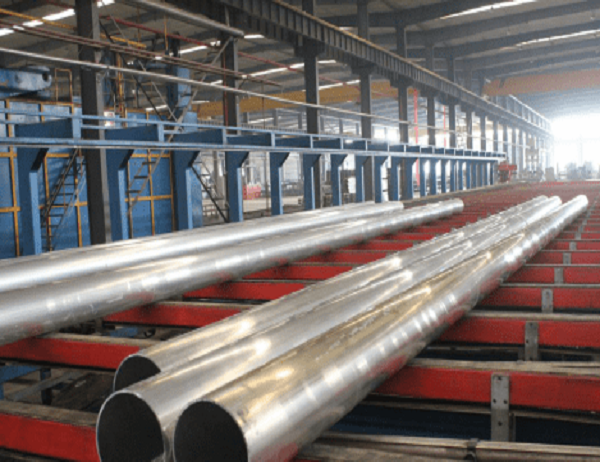
Reputable aluminium T section extrusions manufacturers use advanced extrusion techniques to ensure precise dimensional control and consistent material properties.
The production of aluminium T section extrusions involves several critical steps:
Advanced manufacturers use computer-controlled extrusion processes to ensure consistent quality across large production runs.
Aluminium T section extrusions find applications in diverse industries, each with unique requirements. This section explores how aluminium T section extrusions are used in specific sectors.
In construction, aluminium T section extrusions are used for:
Architects prefer aluminium T sections for their lightweight properties, which reduce structural load requirements, and design flexibility, which allows for creative architectural solutions. Case studies show that using aluminium T sections can reduce construction weight by up to 30% compared to steel alternatives.
The automotive industry uses aluminium T section extrusions for:
Automotive manufacturers value aluminium T sections for their ability to reduce vehicle weight, improve fuel efficiency, and enhance crash safety. Modern electric vehicles rely heavily on aluminium extrusions to offset the weight of battery systems.
Choosing the right aluminium T section extrusions requires careful consideration of several key factors. This section provides guidance on material selection, design optimization, and supplier evaluation.
The choice of aluminium alloy significantly impacts the performance of T section extrusions. Common alloys used include:
Reputable suppliers can provide guidance on alloy selection based on your specific application requirements, including load capacity, environmental conditions, and aesthetic preferences.
Effective design of aluminium T section extrusions involves:
Advanced design software (such as FEA) can help simulate performance under various conditions, ensuring optimal design before production. Experienced aluminium T section extrusions suppliers offer engineering support to help optimize designs for your specific application.
The aluminium extrusion industry is evolving rapidly, driven by technological advancements and changing market demands. This section examines key trends that will shape the future of aluminium T section extrusions.
As environmental regulations become more stringent, manufacturers are adopting sustainable practices throughout their operations. This includes:
Forward-thinking manufacturers are also developing carbon-neutral production processes and providing lifecycle analysis for their products.
The adoption of Industry 4.0 technologies is transforming aluminium extrusion manufacturing. Key advancements include:
These technologies improve production efficiency, reduce downtime, and ensure consistent product quality.
Building a successful partnership with your supplier is critical for project success. This section provides practical advice for maximizing the value of your supplier relationship.
When selecting a supplier, consider:
Reputable suppliers will provide detailed documentation of their processes and quality control measures.
Early supplier involvement in the design process can lead to significant cost savings and performance improvements. Experienced suppliers can provide input on:
Collaborative engineering ensures that products are designed with both performance and manufacturing efficiency in mind.
Aluminium T section extrusions offer exceptional performance and design flexibility for a wide range of applications. By understanding the manufacturing processes, material properties, and industry applications, you can select the right aluminium T section extrusions for your project.
At Goldapple-Alu Aluminium, we combine decades of industry experience with state-of-the-art manufacturing capabilities to deliver custom aluminium T section extrusions tailored to your specific requirements. Our team of engineers works closely with clients to optimize designs, select the right materials, and ensure timely delivery of high-quality components. Whether you’re in construction, automotive, or any other industry requiring precision aluminium extrusions, we have the expertise to help you achieve your project goals.