Introduction
Aluminum furniture profiles have emerged as the preferred choice for outdoor furniture applications, owing to their remarkable durability, aesthetic appeal, and eco-friendly nature. This article delves into the key aspects of designing aluminum furniture profiles for exceptional longevity, ensuring that your outdoor spaces remain stylish and functional for years to come.
Material Selection
The choice of aluminum alloy is crucial for ensuring the durability of furniture profiles. High-quality alloys, such as 6063 and 6061, exhibit excellent strength and resistance to corrosion, making them ideal for outdoor use. These alloys are also highly weldable, allowing for seamless joint construction and enhanced structural integrity.
Surface Treatment
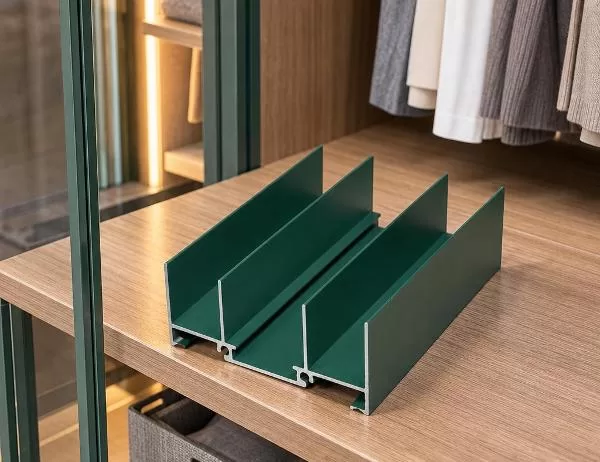
After extrusion, aluminum profiles undergo various surface treatments to improve their longevity and aesthetic appeal. Anodizing is a process that creates a protective oxide layer on the surface, enhancing corrosion resistance and improving paint adhesion. Powder coating is another popular option, offering a wide range of color choices and superior abrasion resistance.
Profile Design
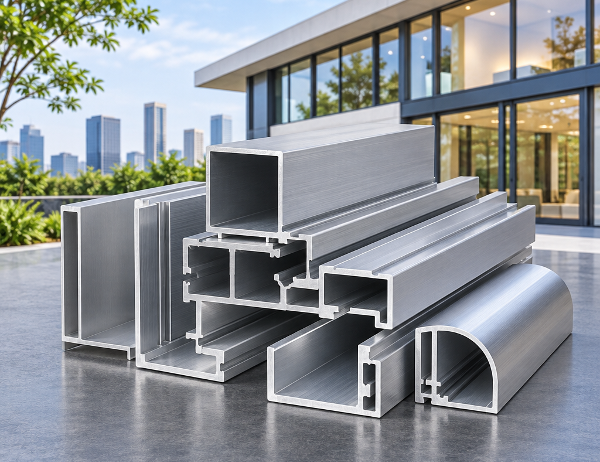
The design of aluminum furniture profiles plays a pivotal role in their longevity. Optimal profile thickness and shape ensure structural stability and load-bearing capacity. Adequate drainage channels allow water to drain effectively, preventing corrosion and extending the life of the furniture.
Joint Design
The design of joints is critical for the integrity of furniture profiles. Corner brackets and connectors made from high-quality materials, such as stainless steel, provide strong and durable connections. Proper joint design ensures that the furniture remains stable and secure under various load conditions.
Fabrication Techniques
Precise fabrication techniques are essential for ensuring the longevity of aluminum furniture profiles. Welded joints should be made by skilled fabricators using appropriate welding equipment. Proper welding techniques create strong and watertight joints that maintain structural integrity over time.
Finishing and Maintenance
Once fabricated, aluminum furniture profiles can be finished with various coatings, such as powder coating or electrostatic painting. These coatings provide additional protection against corrosion and UV radiation, further enhancing the longevity of the furniture. Regular cleaning and maintenance are crucial to preserve the appearance and durability of aluminum furniture profiles.
Sustainable Design
Aluminum is a highly sustainable material, making aluminum furniture profiles an eco-friendly choice. The material can be recycled multiple times without losing its properties, minimizing environmental impact. Additionally, the durability of aluminum furniture reduces the need for frequent replacements, further contributing to sustainability.
Conclusion
Designing aluminum furniture profiles for longevity requires careful consideration of material selection, surface treatment, profile design, joint design, fabrication techniques, finishing, maintenance, and sustainability. By implementing these best practices, manufacturers can create outdoor furniture that withstands the elements and provides enduring style and functionality for years to come.