Aluminum Extrusion
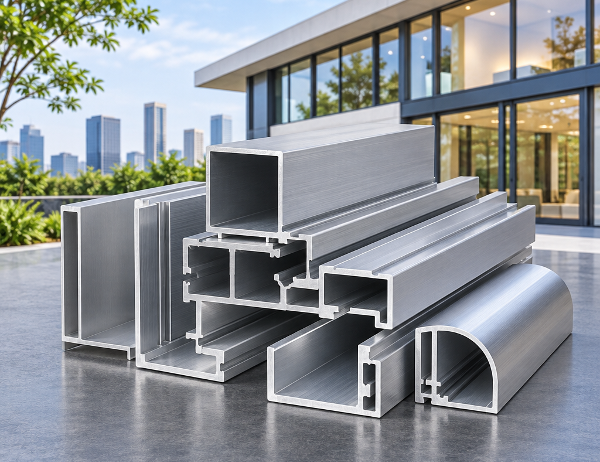
Aluminum extrusion is a manufacturing process that involves forcing molten aluminum through a die to create a specific cross-sectional shape. Industrial aluminum profiles are extruded products used in various industries for structural, mechanical, and decorative applications.
Properties of Industrial Aluminum Profiles
Industrial aluminum profiles possess exceptional properties that make them ideal for demanding applications:
– Lightness and Strength: Aluminum is lightweight yet exhibits high strength, making it suitable for structural components.
– Corrosion Resistance: Aluminum forms a protective oxide layer that resists corrosion, making it durable in harsh environments.
– Machinability: Aluminum profiles can be easily machined, cut, and formed, allowing for precise fabrication.
– Electrical Conductivity: Aluminum is a good electrical conductor, making it suitable for electrical applications.
Applications of Industrial Aluminum Profiles
Industrial aluminum profiles are utilized in numerous industries, including:
Construction
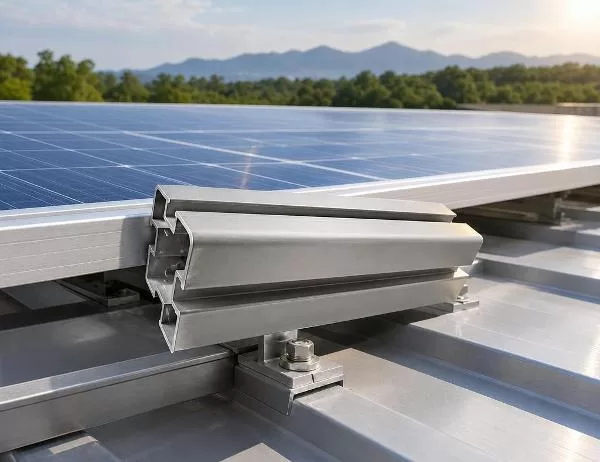
– Structural framing, curtain walls, window frames, and roofing systems.
Transportation
– Automotive and aerospace components, vehicle frames, and interior trim.
Machinery and Equipment
– Machine guards, conveyor systems, and enclosures.
Electronics
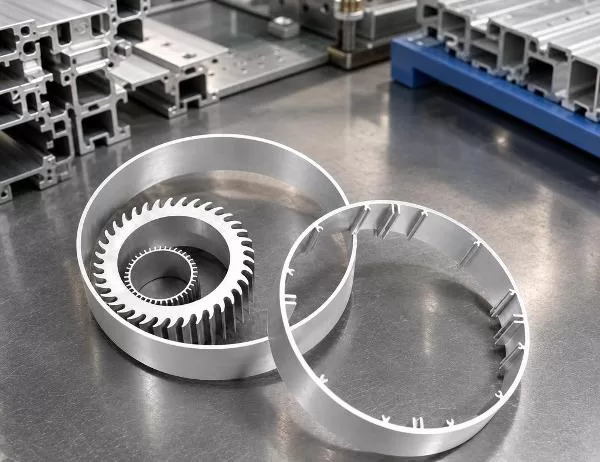
– Heat sinks, circuit board mounting brackets, and electronic device enclosures.
Furniture and Design
– Furniture frames, architectural accents, and decorative elements.
Benefits of Using Industrial Aluminum Profiles
The use of industrial aluminum profiles offers several advantages:
– Reduced Weight: Aluminum’s low density helps reduce the overall weight of products, leading to increased efficiency and fuel savings.
– Improved Strength: Aluminum profiles provide high strength-to-weight ratios, ensuring structural integrity and load-bearing capacity.
– Corrosion Resistance: The protective oxide layer of aluminum protects against corrosion, extending product lifespan and reducing maintenance costs.
– Flexibility: Aluminum profiles can be customized to suit specific design requirements, offering flexibility in product development.
– Sustainability: Aluminum is a recyclable material, making it an environmentally friendly choice.
Conclusion
Industrial aluminum profiles have become indispensable materials in a wide range of industries. Their exceptional properties, versatility, and sustainability make them ideal for applications where strength, corrosion resistance, lightweight, and precision are crucial. With continued advancements in technology, the future of industrial aluminum profiles holds promising opportunities for innovation and enhanced performance.