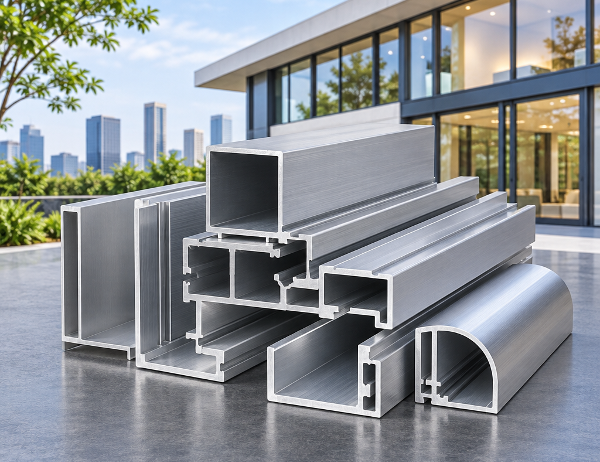
In today’s competitive industrial landscape, manufacturers rely on high-quality aluminum profiles to meet stringent performance and safety standards. Sourcing the best industrial aluminum profiles is critical to ensure durability, precision, and cost-effectiveness in various applications. Here are some best practices to guide your sourcing process:
Supplier Evaluation
Background Check: Investigate suppliers’ reputation, experience, and financial stability to assess their reliability and capabilities.
Quality Control Standards: Verify suppliers’ adherence to industry certifications, such as ISO 9001, to ensure they meet quality standards.
Technical Expertise: Evaluate suppliers’ technical knowledge and support to ensure their ability to understand and meet your specific requirements.
Material Specifications
Alloy Selection: Determine the appropriate aluminum alloy based on its strength, corrosion resistance, and other relevant properties for your application.
Extrusion Process: Specify the extrusion process and tolerances to ensure the profiles meet the required precision and surface finish.
Heat Treatment and Annealing: Specify the heat treatment and annealing processes to achieve the desired strength, hardness, and machinability.
Manufacturing Capabilities
Equipment and Technology: Assess suppliers’ equipment and technology to ensure they can produce profiles with the required quality and efficiency.
Inspection and Testing: Verify suppliers’ inspection and testing capabilities to ensure product quality and compliance with specifications.
Customization and Flexibility: Ensure the supplier can accommodate your specific customization requirements and adjust production schedules as needed.
Quality Assurance
Inspection Protocol: Establish a rigorous inspection protocol to verify the dimensional accuracy, surface quality, and overall performance of the profiles.
Supplier Certification: Seek suppliers certified by reputable organizations, such as the Aluminum Association, to demonstrate their commitment to quality.
Continuous Improvement: Work with suppliers that actively pursue continuous improvement to enhance processes and maintain quality standards.
Cost and Logistics
Pricing and Payment Terms: Negotiate competitive pricing and favorable payment terms that align with your budget and cash flow.
Lead Time and Delivery: Establish clear lead times and delivery schedules to ensure timely project execution.
Shipping and Handling: Consider the supplier’s shipping and handling capabilities to minimize transportation costs and ensure timely delivery.
Conclusion
Sourcing high-quality industrial aluminum profiles is essential for ensuring the success of your manufacturing operations. By following these best practices, you can effectively evaluate suppliers, define material specifications, assess manufacturing capabilities, establish quality assurance measures, and optimize cost and logistics. This comprehensive approach will help you secure the best possible aluminum profiles for your applications, ensuring durability, precision, and value for money.