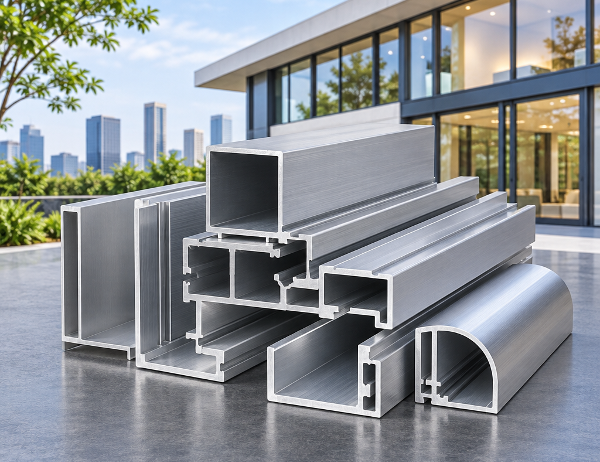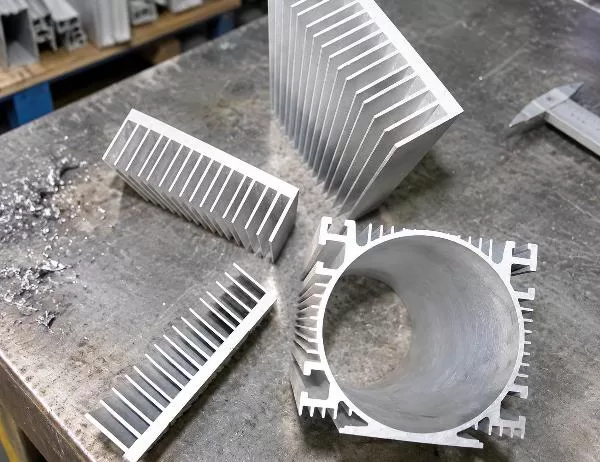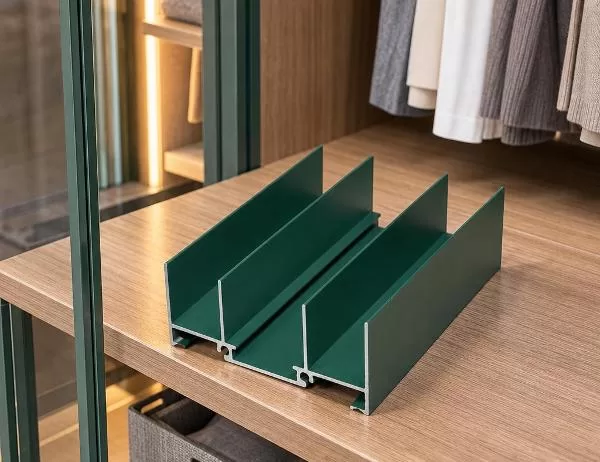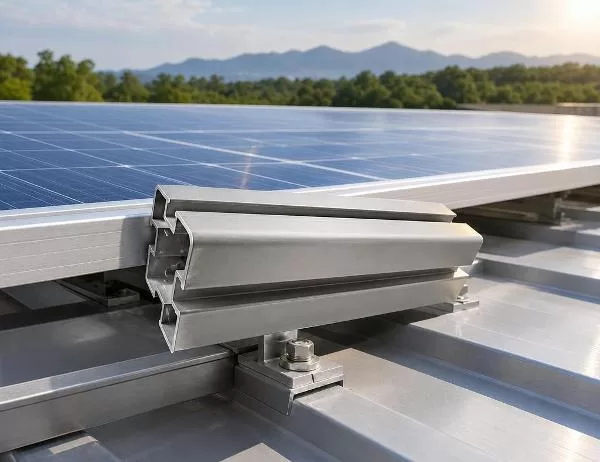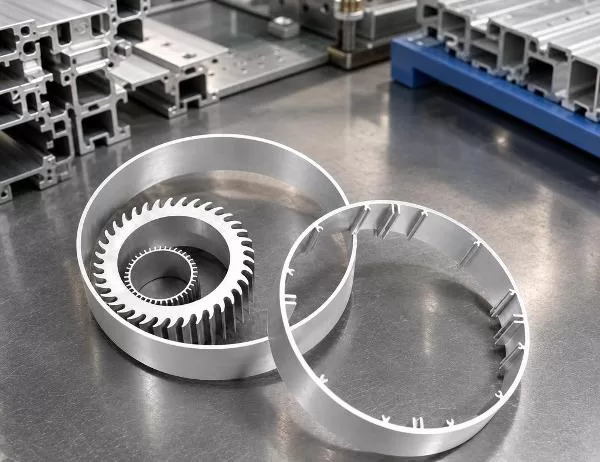
In the realm of engineering and manufacturing, the pursuit of cost-effective solutions is an unwavering endeavor. Among the vast tapestry of materials available, aluminum extrusions have emerged as a formidable contender due to their exceptional performance-to-cost ratio.
Aluminum, with its inherent lightness and strength, offers significant advantages over traditional materials such as steel and plastic. The extrusion process, where aluminum is forced through a die to create complex shapes, further enhances its versatility and efficiency.
Weight Savings and Cost Reduction
Aluminum’s low density translates into substantial weight savings, particularly in transportation applications. This reduction in vehicle weight directly translates to lower fuel consumption, reduced emissions, and increased payload capacity. Moreover, the strength-to-weight ratio of aluminum allows for thinner sections, further reducing material costs.
Durability and Long-term Value
Aluminum extrusions exhibit exceptional corrosion resistance and durability, ensuring longevity and minimizing maintenance costs. Their ability to withstand harsh environmental conditions makes them an excellent choice for marine and industrial applications. In the long run, this durability significantly offsets the initial cost outlay, leading to better value for money.
Design Flexibility and Cost Optimization
The extrusion process offers unparalleled design flexibility, enabling the production of intricate shapes and complex geometries. This eliminates the need for multiple components or assembly processes, leading to cost optimization. Additionally, the precision of extruded profiles minimizes manufacturing tolerances, reducing material waste and further enhancing cost-effectiveness.
Sustainability and Environmental Considerations
Aluminum is a highly recyclable material, contributing to environmental sustainability. Its recycling process is energy-efficient and minimizes waste generation. By choosing aluminum extrusions, businesses can demonstrate their commitment to responsible manufacturing and contribute to a greener future.
Conclusion
Aluminum extrusions offer an unrivaled combination of cost efficiency, performance, and sustainability. Their lightweight design, durability, design flexibility, and reduced maintenance costs make them the ideal choice for a wide range of applications. By embracing the advantages of aluminum extrusions, manufacturers can achieve significant cost savings, optimize performance, and contribute to a more sustainable future.