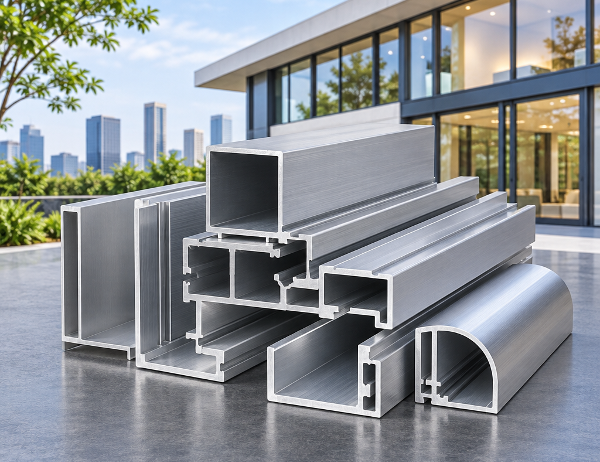
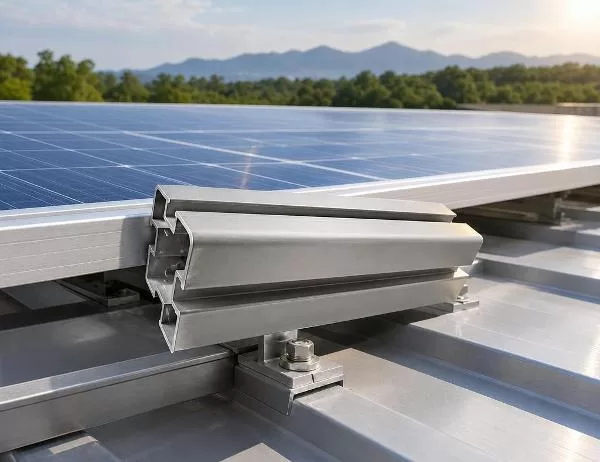
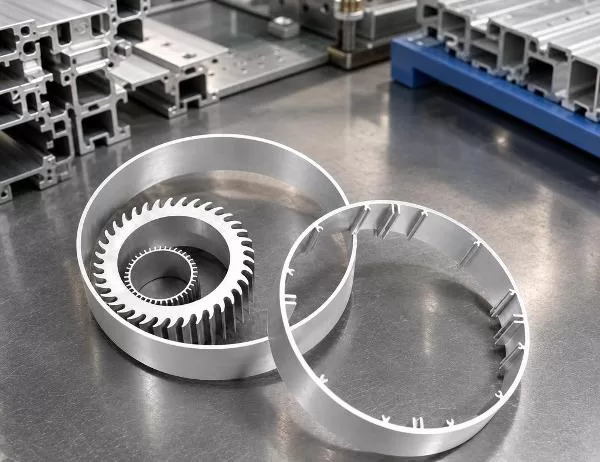
In demanding industrial settings, the durability and resistance of materials are paramount. Aluminum track profiles have emerged as a preferred choice for applications in harsh environments due to their exceptional qualities. This article explores the key aspects of the durability and resistance of aluminum track profiles, highlighting their advantages and versatility in various industrial applications.
Resistance to Corrosion and Oxidation
Aluminum is inherently resistant to corrosion and oxidation, making it an ideal material for harsh environments. Its ability to form a protective oxide layer on its surface prevents further corrosion and degradation. This layer acts as a barrier against moisture, chemicals, and other corrosive elements, ensuring the longevity and performance of the track profiles.
Structural Strength and Rigidity
Aluminum track profiles are renowned for their structural strength and rigidity. Their lightweight nature allows for efficient handling and installation, while their high strength-to-weight ratio provides exceptional support and durability. These profiles are commonly used in conveyor systems, machinery, and other industrial applications where stability and load-bearing capacity are crucial.
Wear and Abrasion Resistance
Aluminum track profiles exhibit excellent wear and abrasion resistance. Their hard anodized surfaces provide enhanced protection against wear and tear from friction, impact, and abrasive particles. This resistance ensures the profiles’ longevity and functionality, even in highly abrasive environments, such as mining, construction, and manufacturing.
Chemical Resistance
Aluminum track profiles possess strong chemical resistance to a wide range of substances, including acids, alkalis, salts, and solvents. Their inert nature prevents chemical reactions that could degrade the material or compromise its performance. This resistance makes them suitable for applications in chemical processing, food handling, and other industries where exposure to corrosive chemicals is common.
Thermal Stability and Conductivity
Aluminum track profiles are highly resistant to temperature fluctuations and maintain their dimensional stability over a wide temperature range. They do not deform or warp easily, ensuring precise and reliable operation, even in extreme environments. Additionally, aluminum’s excellent thermal conductivity facilitates efficient heat dissipation, preventing overheating and potential damage.
Applications in Harsh Environments
Aluminum track profiles have proven their effectiveness in a diverse range of harsh environments, including:
Mining and Construction: Withstanding the abrasive and corrosive conditions encountered in mining and construction.
Food and Beverage Processing: Resisting chemical exposure and maintaining sanitary standards in food and beverage production.
Chemical Processing: Capable of handling corrosive substances and extreme temperatures in chemical plants.
Machinery and Equipment: Providing structural support and durability to heavy machinery and equipment.
Conclusion
Aluminum track profiles are a resilient and versatile choice for demanding industrial applications in harsh environments. Their resistance to corrosion, wear, abrasion, and chemicals, coupled with their structural strength and thermal stability, makes them a reliable solution for a wide range of challenges. By utilizing aluminum track profiles, industries can enhance the durability, efficiency, and longevity of their operations in even the most demanding conditions.