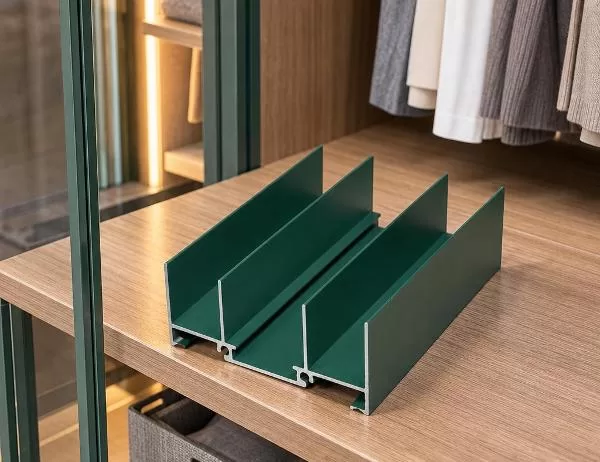
In the tapestry of modern industry, where sustainability weaves intricate threads into the fabric of progress, aluminum profiles stand out as beacons of eco-friendliness, offering a transformative approach to manufacturing. These versatile extrusions, crafted from lightweight and durable metal, embody a myriad of environmental virtues, unlocking a cleaner, greener future for industrial production.
Sustainability Unparalleled
Aluminum profiles boast an exceptional life cycle, characterized by remarkable longevity and recyclability. Once produced, these profiles can endure decades of use, significantly reducing the need for frequent replacements and minimizing landfill waste. Moreover, aluminum is infinitely recyclable without any loss of its inherent properties, enabling the creation of a closed-loop system that conserves resources and promotes environmental stewardship.
Energy Conservation and Carbon Footprint Reduction
The production of industrial aluminum profiles requires significantly less energy compared to other materials such as steel or plastics. This energy efficiency translates into reduced carbon emissions, contributing to the fight against climate change and preserving a healthier planet. By adopting aluminum profiles, industries can make substantial strides towards achieving their sustainability goals.
Lightweight and Durable
The innate lightness of aluminum profiles, combined with their exceptional strength, offers a winning combination for eco-conscious manufacturers. The reduced weight of these profiles not only facilitates transportation and handling, but also allows for the creation of energy-efficient designs by minimizing the material consumed. Moreover, their durability ensures long-term performance, mitigating the need for frequent repairs or replacements, further reducing environmental impact.
Corrosion Resistance and Reduced Maintenance
Industrial aluminum profiles possess unparalleled corrosion resistance, making them ideal for applications in demanding environments. This resistance to deterioration eliminates the need for excessive maintenance or protective coatings, significantly reducing the use of harmful chemicals and minimizing environmental pollution. By extending the lifespan of aluminum structures, their environmental footprint is further diminished.
Embracing Circularity and a Greener Future
As the world transitions towards a circular economy, aluminum profiles emerge as key enablers of this paradigm shift. Their infinite recyclability ensures that used profiles can be endlessly repurposed into new products, minimizing waste and promoting resource efficiency. By embracing circularity, industries utilizing aluminum profiles can reduce their environmental impact and contribute to a more sustainable future.
In conclusion, industrial aluminum profiles represent a transformative force in modern manufacturing, offering a multitude of eco-friendly advantages. Their sustainability, energy efficiency, durability, and circularity make them the ideal choice for businesses seeking to reduce their environmental footprint and embrace a greener future. As the world grapples with the pressing challenges of climate change and resource depletion, aluminum profiles stand as a beacon of hope, paving the way towards a more sustainable and environmentally conscious industrial landscape.