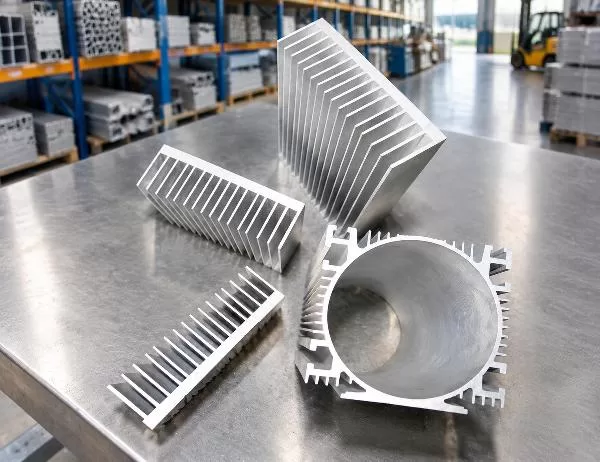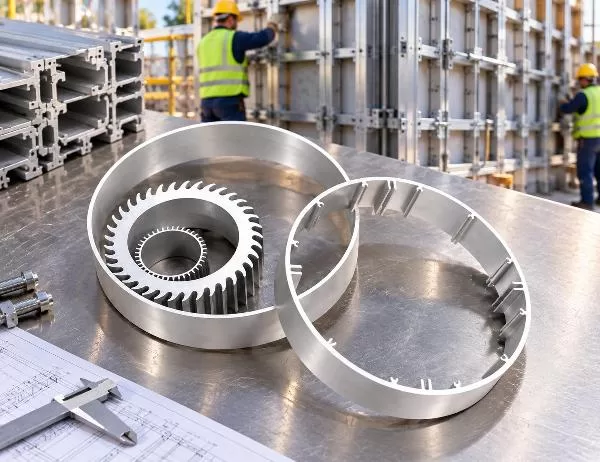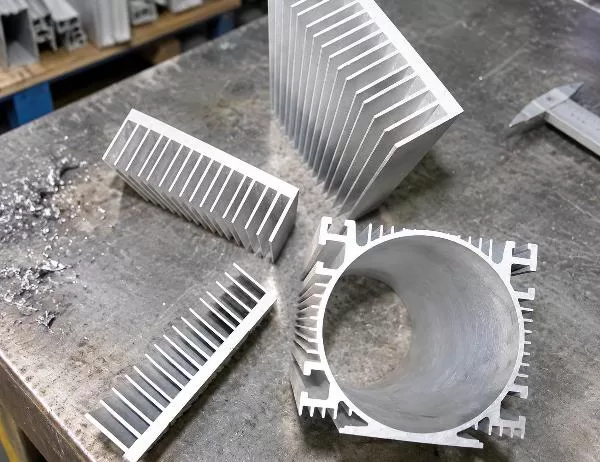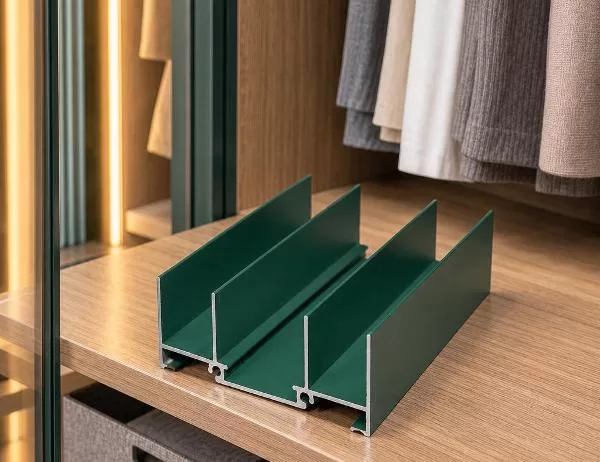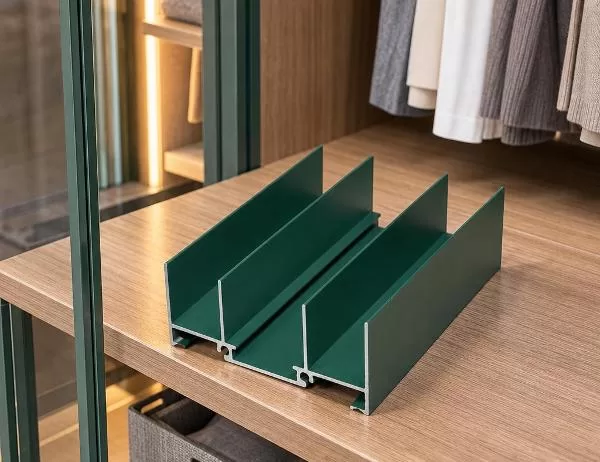
Industrial aluminum profiles offer a wide range of advantages in various applications, from construction to machinery. By incorporating these profiles into existing systems, businesses can enhance their efficiency, durability, and aesthetic appeal.
Benefits of Industrial Aluminum Profiles
Lightweight and Durable: Aluminum profiles are exceptionally lightweight compared to traditional materials, making them easy to handle and install. They possess high strength-to-weight ratios, ensuring structural integrity even in demanding conditions.
Corrosion Resistance: Aluminum alloys are highly resistant to corrosion, minimizing the need for protective coatings or maintenance. This significantly extends the lifespan of systems and components.
Modular Design: Industrial aluminum profiles are available in standardized sizes and shapes, allowing for easy customization and assembly. This modular design simplifies the integration of profiles into existing systems without the need for extensive modifications.
Versatility: Aluminum profiles can be used for a variety of applications, including framing, enclosures, workbenches, and machinery guards. Their adaptability makes them a cost-effective solution for diverse industrial needs.
Steps for Incorporating Aluminum Profiles
1. Planning and Assessment
Thoroughly assess the existing system and determine the specific areas where aluminum profiles would be beneficial. Consider factors such as load requirements, space constraints, and aesthetic considerations.
2. Profile Selection
Choose appropriate aluminum profiles based on the required strength, dimensions, and corrosion resistance. Consult with suppliers for guidance and technical specifications.
3. Fabrication and Assembly
Cut and machine the aluminum profiles to the desired lengths and shapes. Use precise fabrication techniques to ensure proper fit and alignment. Assemble the profiles using appropriate fasteners to create a sturdy and stable structure.
4. Integration
Integrate the aluminum profiles into the existing system by securing them to existing components or framing. Utilize connectors, brackets, and other hardware to create a seamless connection.
5. Finishing and Protection
If desired, apply protective coatings or finishes to the aluminum profiles for enhanced durability or aesthetic appeal. Consider powder coating, anodizing, or paint to protect against wear and tear.
Applications of Incorporated Aluminum Profiles
Workbenches: Create durable and customizable workbenches with aluminum profiles, withstand heavy loads, and resist corrosion.
Enclosures: Build sturdy enclosures for machinery, electrical components, and other sensitive equipment. Aluminum profiles provide protection from dust, moisture, and tampering.
Framing: Use aluminum profiles as framework for walls, partitions, and ceilings in industrial facilities. Their lightweight and strength enable the creation of large spans without compromising structural integrity.
Machinery Guards: Protect operators from hazardous machinery components by incorporating aluminum profiles into guards. Their corrosion resistance and durability ensure long-term safety and reliability.
By following these steps and considering the benefits and applications of industrial aluminum profiles, businesses can successfully incorporate them into existing systems to achieve improved efficiency, durability, and aesthetics.