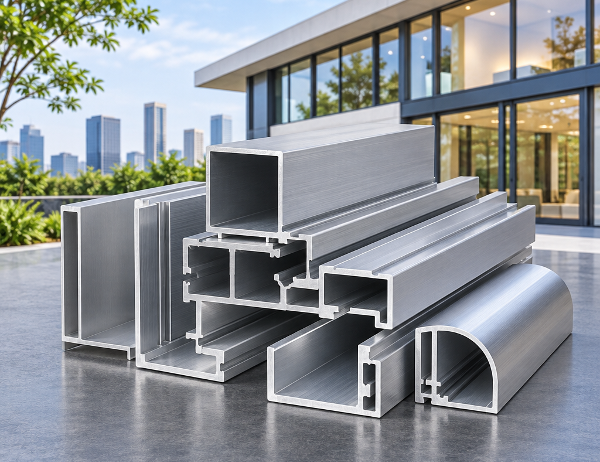
Industrial aluminum profiles are witnessing a surge in popularity due to their versatility, durability, and adaptability. These profiles have become indispensable in various industries, leading to significant advancements and innovations. This article explores the latest trends and innovations shaping the industrial aluminum profiles landscape.
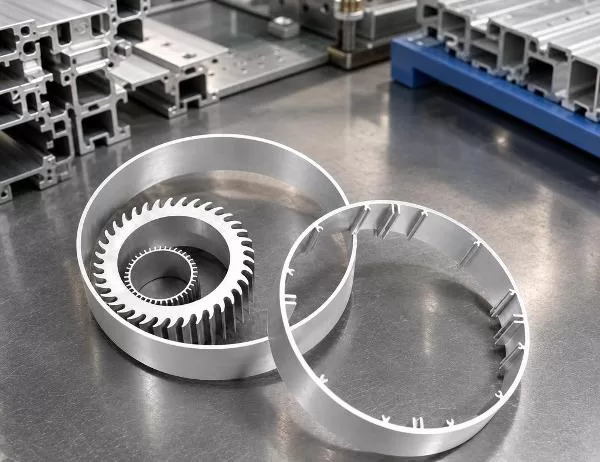
One of the key trends in industrial aluminum profiles is the increasing demand for adaptability and customization. Manufacturers are offering a wide range of profiles in various shapes, sizes, and alloys to cater to the specific needs of different applications. This allows companies to tailor their products and solutions to meet their unique requirements.
Industrial aluminum profiles are known for their exceptional strength-to-weight ratio. They are lightweight yet durable, making them ideal for applications where weight reduction is crucial. The advancements in manufacturing processes have further enhanced the strength and durability of these profiles, enabling them to withstand demanding conditions.
Another significant trend is the focus on sustainability and corrosion resistance. Aluminum profiles are highly recyclable, reducing environmental impact. Additionally, they exhibit exceptional corrosion resistance, making them suitable for harsh environments, such as marine applications and corrosive industrial settings.
Innovations in joining technologies have revolutionized the assembly of industrial aluminum profiles. The introduction of adhesive bonding, mechanical fastening, and welding techniques has improved joint strength and reliability. These advancements enable the seamless integration of profiles into complex structures and systems.
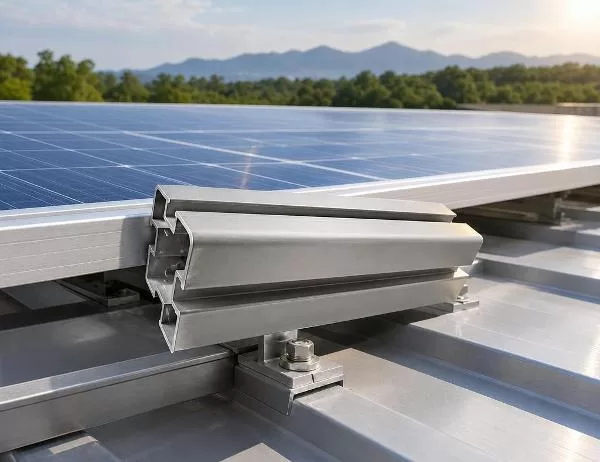
Industrial aluminum profiles are finding applications in a diverse range of industries. They are used in automotive manufacturing, aerospace, construction, electronics, and energy. The advancements in design and engineering have led to innovative profile shapes and configurations, enhancing aesthetic appeal and functionality.
The convergence of technology and aluminum profiles is giving rise to smart and connected profiles. These profiles incorporate sensors and electronics to provide real-time monitoring and control capabilities. They enable advanced applications such as structural health monitoring, data acquisition, and remote control.
The trends and innovations in industrial aluminum profiles are driving advancements across various industries. The adaptability, lightweight, strength, sustainability, advanced joining technologies, and smart capabilities of these profiles are opening up new possibilities for product design, manufacturing, and innovation. As the demand for customizable and high-performance solutions continues to grow, the future of industrial aluminum profiles looks promising, with ongoing research and development leading to even more transformative applications.