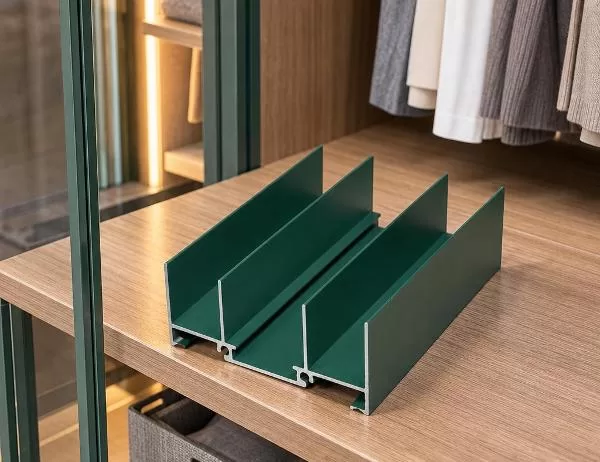
Industrial aluminum profiles are an increasingly popular choice for a wide variety of applications, ranging from construction to manufacturing. These profiles offer a host of advantages that make them ideal for a variety of uses, including their strength, durability, and corrosion resistance.
Strength and Durability
Aluminum is a highly durable metal known for its strength and resistance to wear and tear. Industrial aluminum profiles are made from high-strength alloys that provide excellent structural integrity, making them suitable for heavy-duty applications. They are resistant to bending, warping, and cracking, even under extreme loads. This makes them ideal for use in demanding environments, such as industrial machinery, heavy-duty construction, and transportation.
Corrosion Resistance
Aluminum is highly resistant to corrosion, making it an excellent choice for applications where exposure to moisture is a concern. Unlike steel, aluminum does not rust, which makes it ideal for use in harsh environments, such as outdoor applications, marine environments, and chemical processing facilities. This corrosion resistance also reduces the need for maintenance and repairs, resulting in long-term cost savings.
Lightweight and Flexibility
Despite their strength, industrial aluminum profiles are lightweight and easy to handle. This makes them ideal for applications where weight is a concern, such as in aerospace, construction, and transportation. Their flexibility allows them to be easily formed into various shapes and configurations, making them suitable for a wide range of applications.
Thermal Conductivity
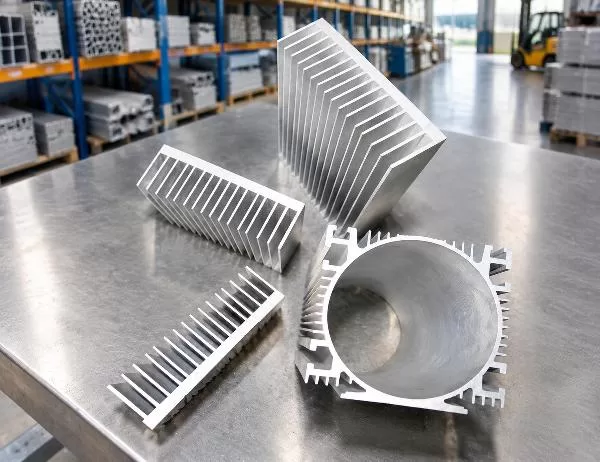
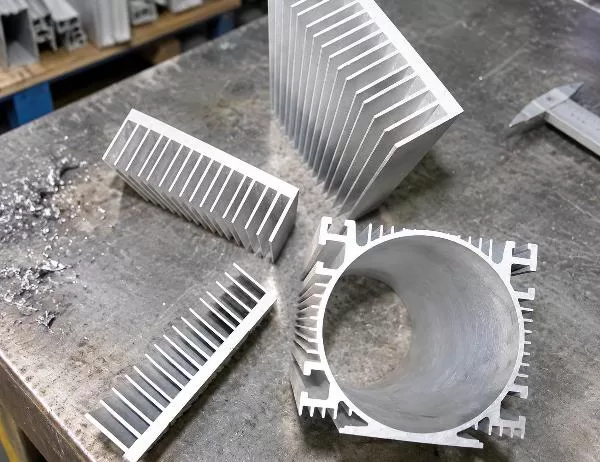
Aluminum has excellent thermal conductivity, making it an efficient conductor of heat. Industrial aluminum profiles are often used in applications where heat dissipation is essential, such as in heat sinks, radiators, and automotive components. This thermal conductivity helps regulate temperature, preventing overheating and ensuring optimal performance.
Electrical Conductivity
Aluminum is a good conductor of electricity, making it suitable for electrical applications. Industrial aluminum profiles are often used in electrical components, such as bus bars, connectors, and enclosures. Their electrical conductivity ensures efficient current flow and minimizes energy losses.
Recyclability
Industrial aluminum profiles are highly recyclable, which makes them an environmentally friendly option. Aluminum can be recycled repeatedly without losing its properties, reducing waste and conserving resources. This recyclability also contributes to the sustainability of aluminum production, making it a more sustainable choice for industrial applications.
Conclusion
Industrial aluminum profiles offer a wide range of benefits that make them an ideal choice for a variety of applications. Their strength, durability, corrosion resistance, lightweight, flexibility, thermal conductivity, electrical conductivity, and recyclability make them a versatile and cost-effective solution for industrial needs. As demand for high-performance materials continues to grow, industrial aluminum profiles are expected to play an increasingly important role in meeting the challenges of modern engineering and manufacturing.