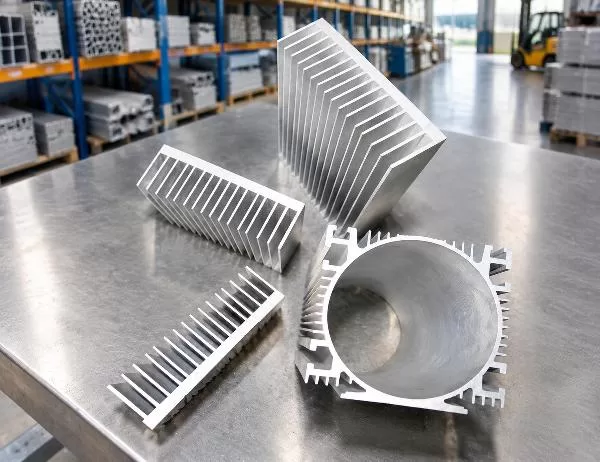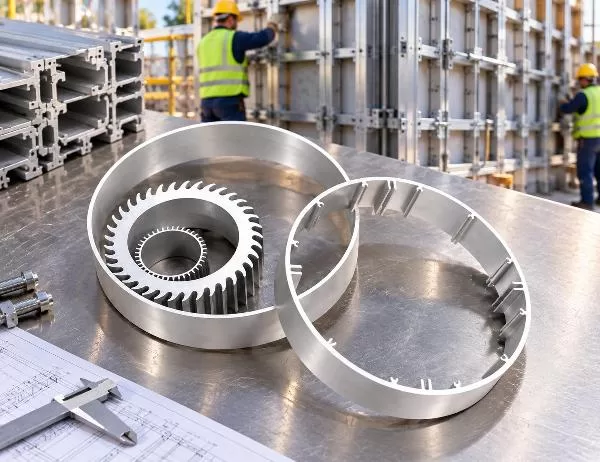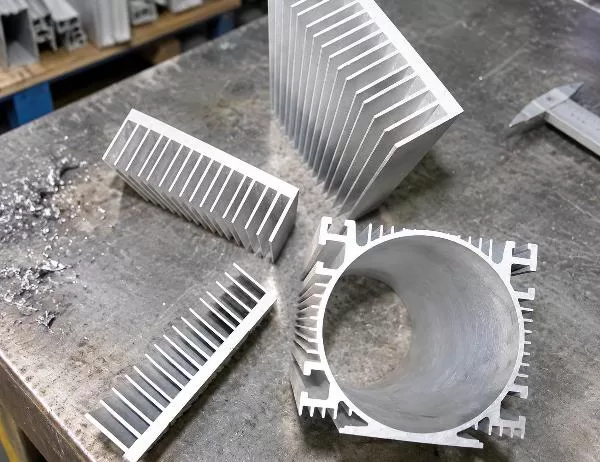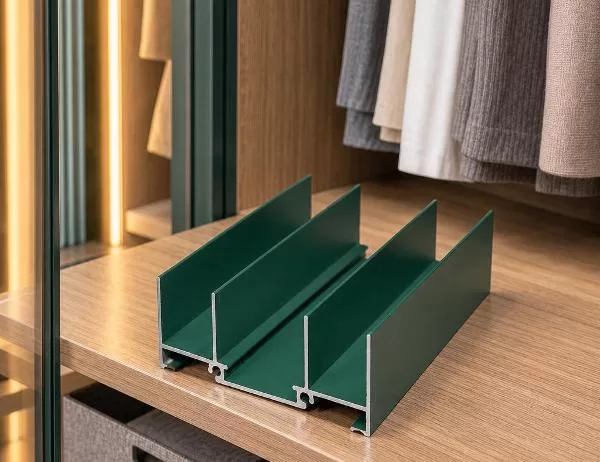
Extruded aluminum tubes have become increasingly prevalent in engineering applications due to their exceptional combination of strength, lightweight, and versatility. As technology advances, the future holds even greater potential for the use of extruded aluminum tubes in various engineering fields. This article explores the promising future of extruded aluminum tubes in engineering, highlighting their applications, advantages, and innovative advancements.
Applications in Engineering
Extruded aluminum tubes find extensive use in a wide range of engineering applications, including:
Automotive: Exhaust systems, fuel lines, air conditioning lines
Aerospace: Structural components, landing gear, fuel tanks
Construction: Windows, curtain walls, railings
Medical: Medical equipment, prosthetic devices, implants
Industrial: Conveyor systems, fluid handling equipment, robotic arms
Advantages of Extruded Aluminum Tubes
The remarkable properties of extruded aluminum tubes make them ideal for engineering applications:
Strength: They exhibit high strength-to-weight ratio, providing exceptional load-bearing capabilities.
Lightweight: Their low density allows for weight optimization in various engineering designs.
Corrosion Resistance: Aluminum’s natural oxide layer provides superior resistance to corrosion, ensuring durability in harsh environments.
Versatility: Extruded tubes can be customized in shape, size, and alloy composition to meet specific engineering requirements.
Heat Transfer Properties: Aluminum’s high thermal conductivity makes extruded tubes suitable for heat exchange applications.
Innovative Advancements
Technological advancements are continuously expanding the capabilities of extruded aluminum tubes:
Additive Manufacturing: 3D printing techniques enable the production of complex tube geometries with improved performance.
High-Strength Alloys: New alloys with increased strength and fatigue resistance are being developed for demanding engineering applications.
Surface Treatments: Advanced surface treatments, such as anodizing, enhance the corrosion resistance and aesthetic appeal of extruded tubes.
Joining Technologies: Innovative joining methods, including friction stir welding and adhesive bonding, improve the structural integrity of tube assemblies.
Outlook
The future of extruded aluminum tubes in engineering is bright, as they continue to offer superior properties and inspire innovative applications. The combination of advanced manufacturing techniques, innovative alloy development, and improved joining technologies will further enhance the performance and versatility of extruded aluminum tubes. By harnessing the potential of these advancements, engineers can unlock new possibilities in product design and engineering solutions.