T6 aluminum pipes are widely used in various industrial applications due to their exceptional strength, lightness, and corrosion resistance. The structural integrity of these pipes is crucial for ensuring the safety and reliability of structures they are employed in. This article explores the impact of T6 aluminum pipes on structural integrity from multiple perspectives, including tensile strength, fatigue performance, and corrosion resistance.
T6 aluminum pipes exhibit exceptional tensile strength, which is a measure of their ability to resist stretching or elongation under load. The T6 temper designates a heat treatment process that enhances the pipe’s strength by hardening the alloy. Compared to other aluminum alloys, T6 aluminum pipes have a higher yield strength and ultimate tensile strength, making them well-suited for applications where high load-bearing capacity is required.
Fatigue is a gradual deterioration of material under repeated or cyclic loading. T6 aluminum pipes demonstrate excellent fatigue resistance, which is critical for structures subjected to dynamic forces. The high strength and toughness of T6 aluminum alloy allow it to withstand repeated loading without significant deformation or failure. This fatigue resistance ensures the long-term structural integrity of pipes in applications such as aircraft, bridges, and machinery.
T6 aluminum pipes possess high corrosion resistance due to the formation of a protective oxide layer on their surface. This layer inhibits the penetration of corrosive agents, such as oxygen and moisture, into the material. The corrosion resistance of T6 aluminum pipes makes them suitable for use in harsh environments, including marine applications, chemical plants, and coastal areas. By resisting corrosion, T6 aluminum pipes maintain their structural integrity and prevent premature failure.
The unique properties of T6 aluminum pipes make them ideal for demanding applications where structural integrity is paramount. These applications include:
– Aerospace: Aircraft frames, fuselages, and wings
– Automotive: Chassis, suspension components, and engine parts
– Construction: Building facades, roofing systems, and bridges
– Marine: Ship hulls, masts, and offshore structures
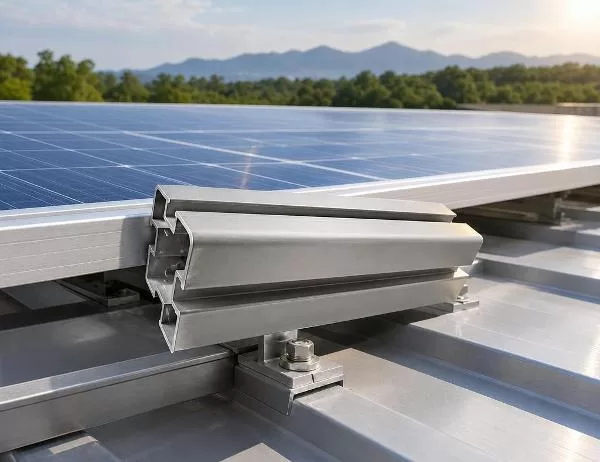
– Energy: Oil and gas pipelines, wind turbine towers, and solar panels
Conclusion
T6 aluminum pipes play a vital role in ensuring structural integrity in a wide range of applications. Their exceptional tensile strength, fatigue resistance, and corrosion resistance make them an essential material for demanding structural engineering projects. By understanding the impact of T6 aluminum pipes on structural integrity, engineers and designers can optimize the safety and reliability of structures in various industries.