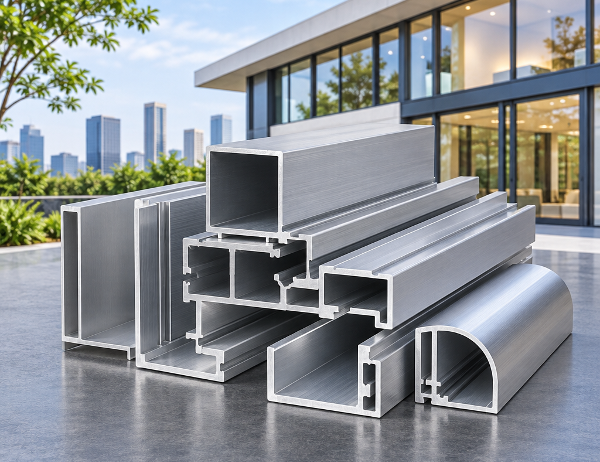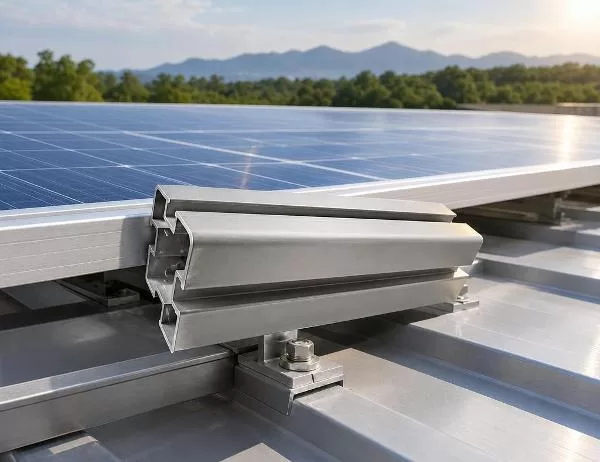
In the solar energy industry, aluminum solar frames play a crucial role in supporting and protecting photovoltaic panels. These frames must withstand various environmental forces to ensure the longevity and efficiency of solar systems. Understanding the scientific principles behind their strength and stability is essential for optimal design and performance.
Aluminum is highly resistant to corrosion, making it an ideal material for solar frames exposed to harsh weather conditions. The protective oxide layer formed on its surface inhibits further oxidation and prevents the metal from degrading over time. This durability ensures the long-term integrity of the frames, reducing maintenance costs and extending the lifespan of the solar system.
Aluminum is a lightweight yet strong alloy, offering excellent structural support for solar panels. Its high strength-to-weight ratio allows for the fabrication of thin, lightweight frames without compromising rigidity. The frames effectively withstand wind loads, snow accumulation, and other external forces, preventing panel damage and ensuring system stability.
Aluminum solar frames exhibit a high degree of flexibility, making them adaptable to various panel sizes and configurations. The ability to bend and manipulate the frames allows for easy installation in challenging locations, such as curved roofs or uneven surfaces. This flexibility also accommodates thermal expansion and contraction, preventing stress build-up and system failure.
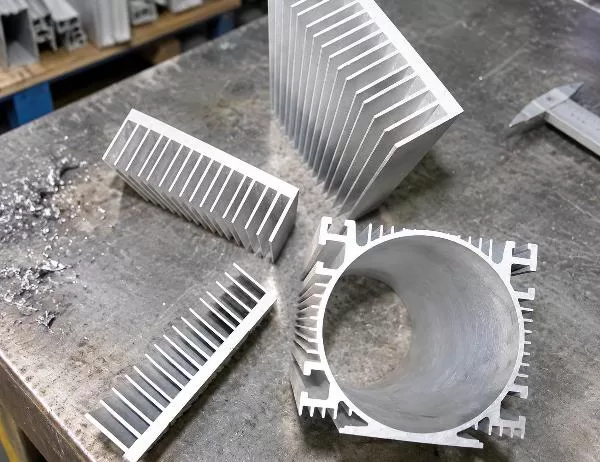
Aluminum has high thermal conductivity, which aids in dissipating heat from solar panels. The transfer of heat through the frame to the environment helps regulate panel temperatures, reducing the risk of overheating and performance degradation. This thermal dissipation ensures optimal efficiency and extends panel life.
Aluminum has a high melting point and does not readily ignite, making it fire-resistant. In the event of a fire, aluminum solar frames can maintain their structural integrity and protect the underlying panels. This fire resistance enhances safety and reduces the risk of catastrophic system failure.
Aluminum is a recyclable material, contributing to its environmental sustainability. The ability to reuse and recycle aluminum solar frames reduces waste and conserves natural resources. Additionally, the frames are non-toxic and have a minimal environmental impact throughout their lifecycle.
The science behind the strength and stability of aluminum solar frames is rooted in the material’s exceptional properties. Corrosion resistance, structural strength, flexibility, thermal conductivity, fire resistance, and environmental impact make aluminum an ideal choice for solar frame applications. Understanding these scientific principles enables the design and construction of durable and reliable solar systems that maximize performance and longevity.