In the realm of industrial materials, extruded aluminum tubes stand out as versatile and robust components, their sleek profiles and exceptional properties making them essential in a myriad of applications. From intricate aerospace frames to robust architectural structures, these tubes offer a unique blend of strength, lightness, and design flexibility.
What is Extrusion?
Extrusion is a metalworking process that forces molten metal through a shaped die, creating a continuous profile with a desired cross-sectional geometry. In the case of aluminum tubes, the molten metal is pushed through a circular die, resulting in a hollow cylindrical shape.
Properties of Extruded Aluminum Tubes
Exceptional Strength: Aluminum alloys used in extrusion processes boast high tensile and yield strengths, making these tubes capable of withstanding significant loads.
Lightweight: Aluminum’s low density contributes to the tubes’ exceptional strength-to-weight ratio, making them ideal for weight-sensitive applications such as aircraft and automotive components.
Corrosion Resistance: Aluminum’s natural protective oxide layer provides inherent resistance to corrosion, making these tubes suitable for harsh environmental conditions.
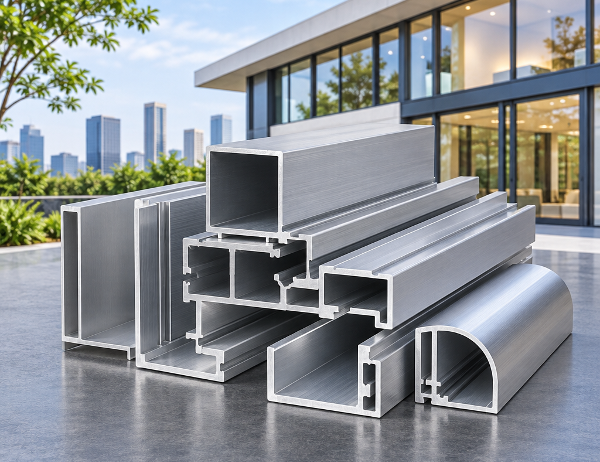
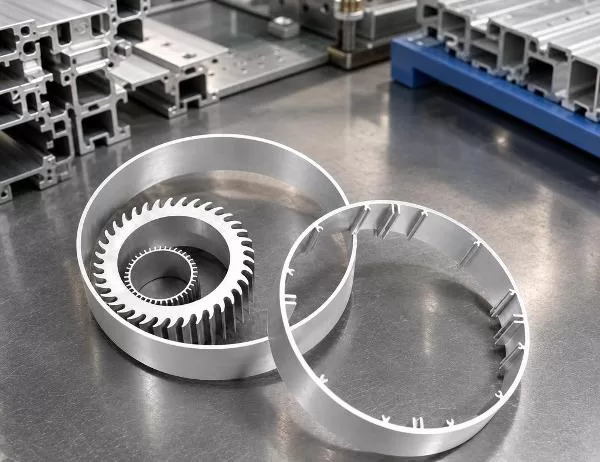
Design Versatility: The extrusion process allows for the creation of tubes with complex cross-sectional shapes, enabling designers to achieve precise geometries and optimize structural performance.
Applications
Extruded aluminum tubes find widespread application across diverse industries, including:
Aerospace: Aircraft frames, engine components, and fuel lines.
Automotive: Engine manifolds, exhaust systems, and suspension components.
Construction: Facade elements, window frames, and structural supports.
Industrial Machinery: Hydraulic cylinders, fluid conduits, and machine housings.
Consumer Goods: Sports equipment, furniture, and lighting fixtures.
Choosing the Right Aluminum Alloy
The choice of aluminum alloy for a specific application depends on the required properties. Common alloys used in tube extrusion include:
6061: Balanced strength, corrosion resistance, and weldability.
6063: Higher strength than 6061, making it suitable for structural applications.
7075: Maximum strength, often used in aerospace and military applications.
Conclusion
Extruded aluminum tubes are invaluable components in modern industry, offering a unique combination of properties that make them ideal for a wide range of applications. Their exceptional strength, lightness, and design versatility make them essential for sectors seeking robust and efficient materials. Understanding the basics of these tubes enables engineers and designers to harness their potential and create innovative solutions for the future.