Aluminium tubes, particularly in a diameter of 100mm, are a versatile material that has applications across numerous industries and sectors. These tubes are lightweight, durable, and offer excellent corrosion resistance, making them a preferred choice over other materials. Understanding the advantages of 100mm aluminium tubes compared to alternative materials is crucial for making informed decisions in project planning and material selection.
Aluminium’s natural oxide layer provides exceptional protection against corrosion, making it ideal for applications where exposure to harsh environments or chemicals is a concern. This layer prevents the aluminium from reacting with oxygen and other corrosive agents, ensuring longevity and maintaining the structural integrity of the tubing over an extended lifespan.
100mm aluminium tubes boast an impressive strength-to-weight ratio, making them both robust and lightweight. This property is particularly advantageous in applications where weight reduction is crucial, such as aerospace, automotive, and transportation industries. Aluminium tubes can withstand significant loads without compromising structural integrity, reducing material usage and overall system weight.
The excellent weldability of aluminium tubes makes them easy to join, allowing for complex designs and intricate fabrication. The tubes can be welded using various techniques, including TIG, MIG, and laser welding, creating strong and durable joints. Additionally, aluminium tubes are highly formable, enabling them to be bent, shaped, and manipulated without compromising their properties.
Aluminium possesses high electrical conductivity, making 100mm aluminium tubes suitable for electrical applications, such as busbars, power transmission lines, and electrical components. The tubes can efficiently conduct electricity, minimizing energy loss and facilitating optimal performance in electrical systems.
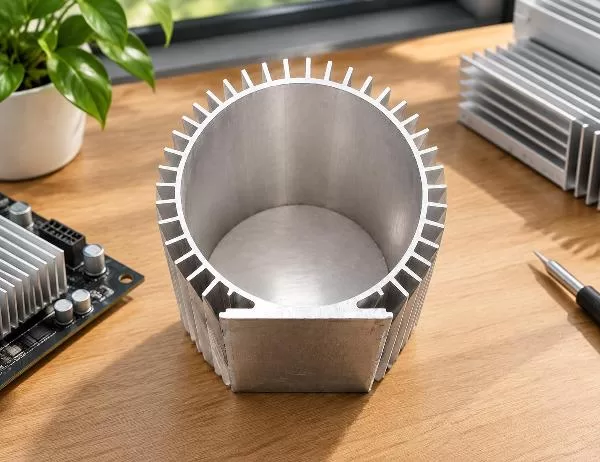
Aluminium’s high thermal conductivity makes 100mm aluminium tubes effective for heat transfer applications. The tubes can efficiently dissipate heat, making them ideal for coolers, heat exchangers, and other systems where temperature management is critical.
Aluminium tubes are recyclable, making them environmentally friendly and contributing to a sustainable approach to material usage. Recycling aluminium requires less energy compared to producing new material, conserving resources and reducing the environmental impact.
Compared to other materials, 100mm aluminium tubes offer exceptional benefits, including corrosion resistance, strength-to-weight ratio, weldability, formability, electrical conductivity, thermal conductivity, and environmental friendliness. Their versatility and performance make them a preferred choice in various industries, including construction, automotive, aerospace, electrical, and thermal management. By carefully considering the advantages of 100mm aluminium tubes over alternative materials, engineers and designers can make informed decisions that optimize project outcomes, reduce costs, and enhance sustainability.