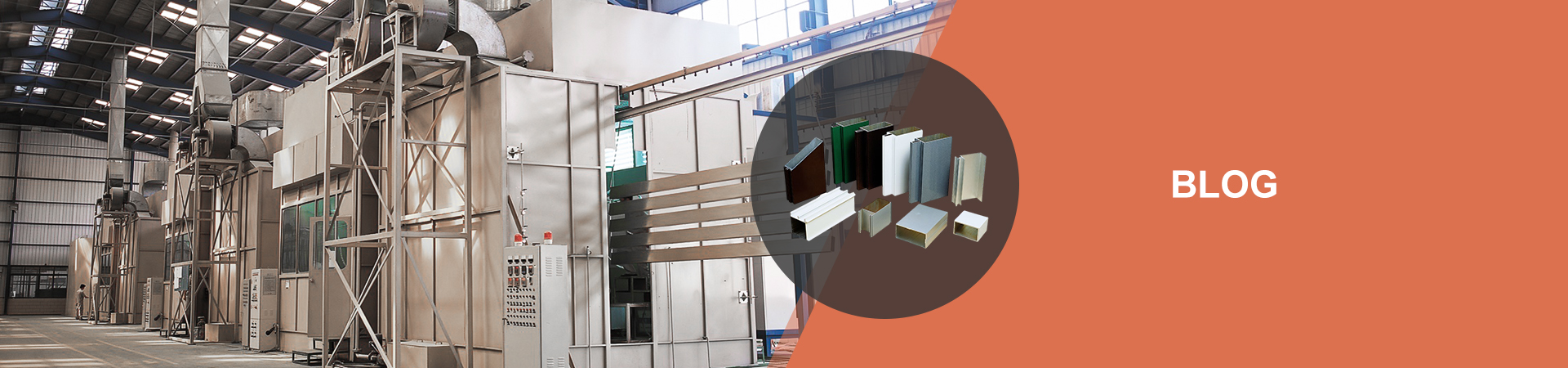
6101 aluminum alloy, known for its remarkable strength and versatility, has gained significant popularity in various industries. Its unique combination of properties, including durability, corrosion resistance, and high strength-to-weight ratio, makes it a suitable choice for a wide range of applications. This article delves into the manufacturing processes and technologies employed to produce 6101 aluminum alloy, providing insights into the techniques used to shape and enhance its properties.
Hot rolling is a fundamental process in the production of 6101 aluminum alloy. It involves passing heated aluminum ingots through a series of rollers to reduce their thickness and increase their width. The high temperatures applied during hot rolling soften the aluminum, allowing it to deform plastically under pressure. This process imparts strength and improves the alloy’s overall mechanical properties.
After hot rolling, 6101 aluminum alloy undergoes cold rolling to further reduce its thickness and improve its surface finish. In cold rolling, the alloy is passed through rollers at room temperature, resulting in increased strength and hardness. This process also improves the alloy’s dimensional stability and reduces its susceptibility to warping.
Annealing is a heat treatment process that involves heating the aluminum alloy to a specific temperature and then slowly cooling it. This process softens the alloy by reducing internal stresses and improving its ductility. Annealing is crucial for enhancing the alloy’s formability and machinability, making it suitable for complex shapes and intricate designs.
Aging is another heat treatment process that plays a vital role in the properties of 6101 aluminum alloy. It involves heating the alloy to a specific temperature and holding it for a predetermined duration, followed by rapid cooling. This process precipitates a fine dispersion of intermetallic compounds within the aluminum matrix, contributing to increased strength, hardness, and fatigue resistance.
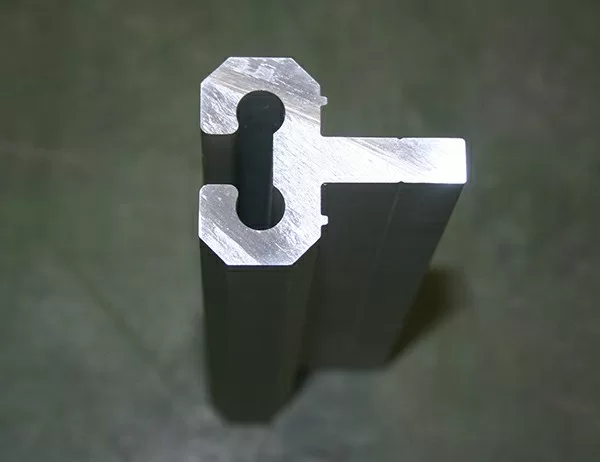
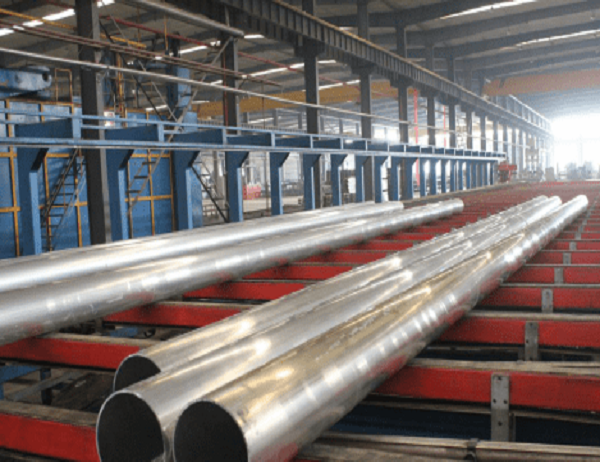
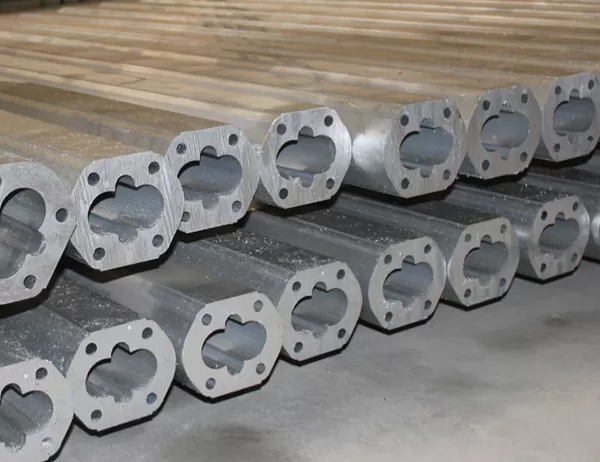
Extrusion is a process used to create intricate shapes and profiles from 6101 aluminum alloy. It involves forcing the heated alloy through a shaped die, resulting in continuous lengths of the desired cross-section. Extrusion allows for the production of complex geometries, reducing the need for subsequent machining and fabrication.
The manufacturing processes and technologies employed to produce 6101 aluminum alloy play a crucial role in shaping its properties and meeting the diverse demands of various industries. By optimizing the combination of hot and cold rolling, annealing, aging, and extrusion, manufacturers can tailor the alloy’s strength, hardness, ductility, and formability to suit specific applications. The versatility and adaptability of 6101 aluminum alloy, coupled with the advanced manufacturing techniques used in its production, make it a highly sought-after material for a wide range of sectors, from aerospace and automotive to construction and consumer electronics.