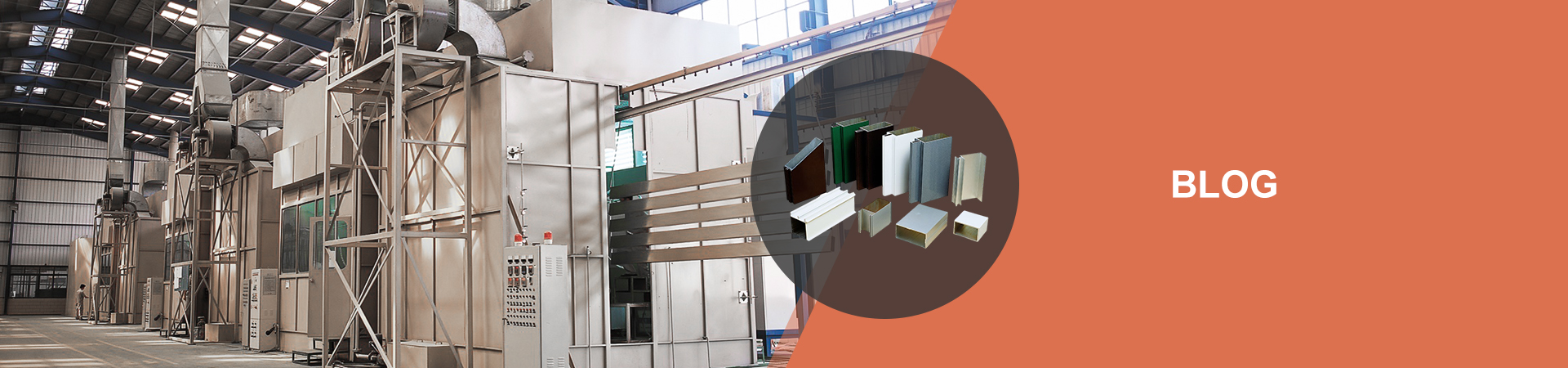
6101 aluminum alloy, a sturdy and lightweight material, has garnered significant attention in various industries due to its exceptional sustainability and environmental advantages. Let’s delve into the numerous ways in which this alloy contributes to a greener and more sustainable future.
6101 aluminum alloy exhibits remarkable durability and resistance to corrosion, ensuring a long service life. This eliminates the need for frequent replacements and renovations, reducing resource consumption and waste generation. Moreover, its inherent strength allows for the construction of lightweight structures, resulting in reduced material requirements and transportation emissions.
The production of 6101 aluminum alloy consumes less energy compared to other metals. Additionally, its high thermal conductivity makes it an efficient heat conductor, leading to energy savings in applications such as cookware and heat exchangers. Furthermore, its ability to be recycled and reused significantly reduces the energy required for extraction and manufacturing.
6101 aluminum alloy is highly recyclable, with over 90% of the material being recovered and reused. This minimizes waste generation, conserves natural resources, and reduces the environmental impact associated with landfills and incineration. Recycling also conserves energy, as remelting aluminum requires far less energy than extracting and refining virgin aluminum.
The production of 6101 aluminum alloy emits significantly less carbon dioxide compared to other metals. This is attributed to its high energy efficiency and the use of recycled materials. Additionally, its long lifespan and recyclability further contribute to carbon reduction by minimizing the need for new material extraction and manufacturing.
6101 aluminum alloy finds application in various sustainable industries, including automotive, aerospace, construction, and consumer products. In the automotive sector, it contributes to lightweight vehicles, reducing fuel consumption and emissions. In aerospace, its strength-to-weight ratio enables the construction of fuel-efficient aircraft. In construction, its durability and recyclability make it an environmentally friendly building material.
6101 aluminum alloy stands as a beacon of sustainability and environmental responsibility. Its exceptional durability, energy efficiency, minimal waste generation, reduced carbon emissions, and wide range of sustainable applications make it an indispensable material for creating a more sustainable and eco-friendly future. Embracing 6101 aluminum alloy represents a conscious effort to conserve our planet’s resources and minimize our environmental impact, ensuring a brighter and more sustainable tomorrow.