The rising demand for high-performance electronic devices has amplified the need for efficient heat management solutions. Among the various options, aluminum heat sinks have emerged as a reliable choice due to their excellent thermal properties and versatility. This comprehensive guide provides a thorough exploration of aluminum heat sinks, their construction, advantages, applications, and selection criteria to equip readers with the necessary knowledge for effective heat dissipation in electronic systems.
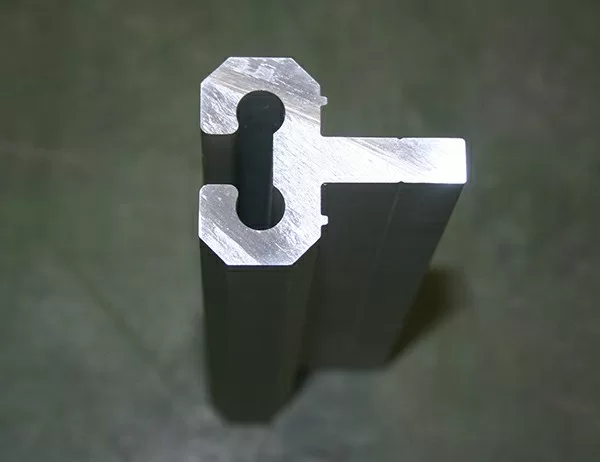
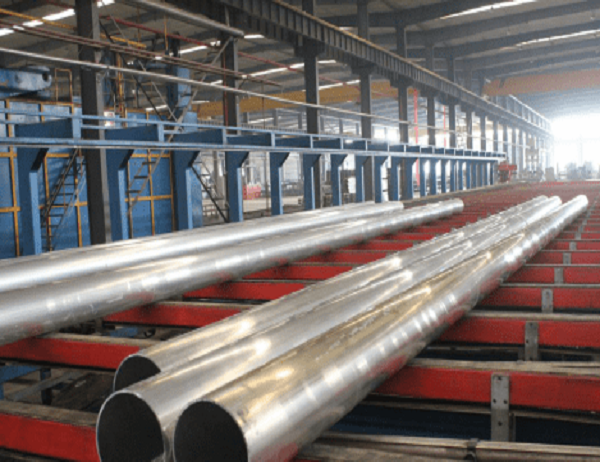
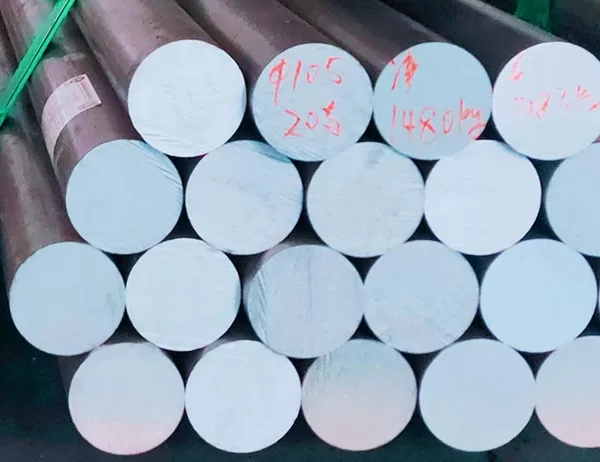
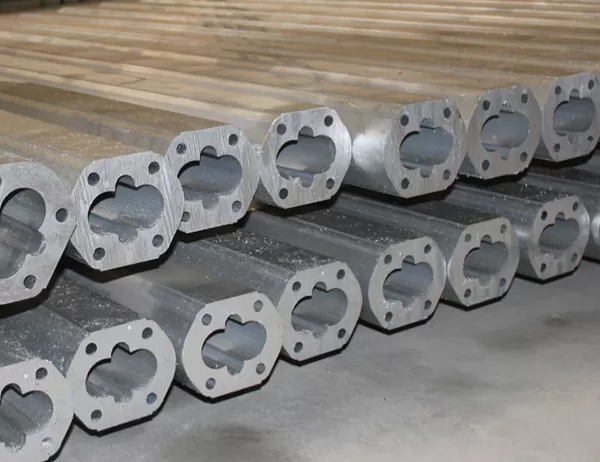
Aluminum heat sinks are typically manufactured using a proprietary extrusion process that creates a solid aluminum profile with a series of fins extending from its base. The fins are strategically designed to increase the surface area, enhancing the heat transfer rate. The base is usually flat and designed to make contact with the heat source, while the fins dissipate heat into the surrounding environment.
Aluminum is an exceptional thermal conductor, possessing a high thermal conductivity that enables efficient heat transfer. It has a thermal conductivity of approximately 237 W/m-K, making it an ideal material for heat dissipation applications. Additionally, aluminum has a low specific heat capacity, meaning it requires less energy to raise its temperature, contributing to its rapid heat dissipation capabilities.
Lightweight: Aluminum is a lightweight material, making it suitable for applications where weight optimization is crucial, such as aerospace or portable devices.
Durability: Heat sinks made from aluminum are robust and resistant to corrosion, ensuring long-term reliability in harsh environments.
Cost-Effective: Aluminum is a relatively inexpensive material, making aluminum heat sinks a cost-effective solution for heat dissipation.
Versatile: Aluminum heat sinks can be customized to meet specific design requirements, allowing for flexibility in shape, size, and fin configuration.
Widely Available: Aluminum heat sinks are readily available in various sizes and configurations, facilitating compatibility with a wide range of electronic devices.
The versatility of aluminum heat sinks makes them suitable for a wide range of applications, including:
Consumer Electronics: Heat dissipation in laptops, smartphones, and tablets.
Power Electronics: Cooling of power transistors, thyristors, and diodes.
Automotive Electronics: Thermal management in engine control modules, power inverters, and lighting systems.
Industrial Automation: Heat dissipation in programmable logic controllers, servo drives, and motor controllers.
Renewable Energy: Thermal management in solar inverters, wind turbines, and electric vehicle charging stations.
Choosing the appropriate aluminum heat sink involves considering several key factors:
Heat Dissipation Capacity: Determine the amount of heat that needs to be dissipated to select a heat sink with a sufficient dissipation capacity.
Size and Weight Constraints: Consider the available space and weight limitations to ensure the heat sink fits within the design constraints.
Mounting Method: Choose a heat sink with the appropriate mounting method that aligns with the intended installation.
Thermal Resistance: Evaluate the thermal resistance of the heat sink to assess its efficiency in transferring heat from the source to the surrounding environment.
Cost Considerations: Balance the performance requirements with cost constraints to select a cost-effective heat sink that meets the budget.