A Comprehensive Guide to Extruded Aluminum Pipes: Unlocking the Strength and Versatility of Modern Engineering
In the realm of engineering and construction, where precision, durability, and versatility reign supreme, extruded aluminum pipes stand as a testament to innovation. These remarkable products have revolutionized countless industries, from aerospace and automotive to architecture and infrastructure, transforming the way we design, build, and shape our world.
Extruded Aluminum: A Masterpiece of Metallurgy
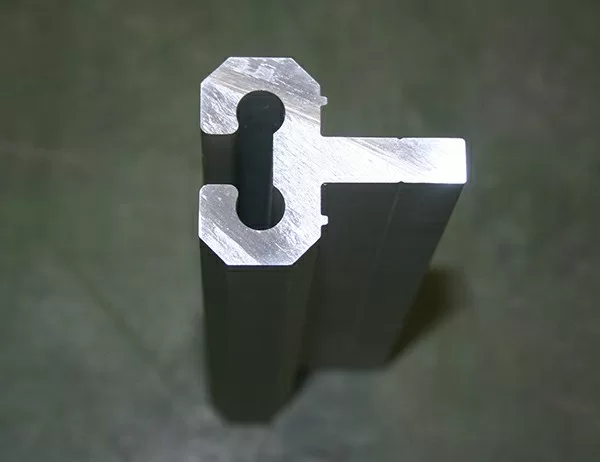
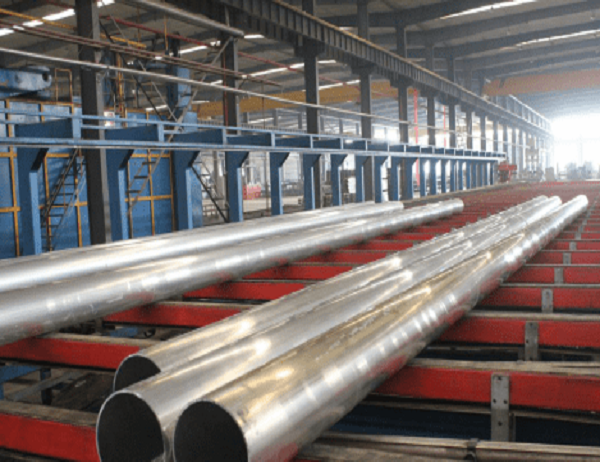
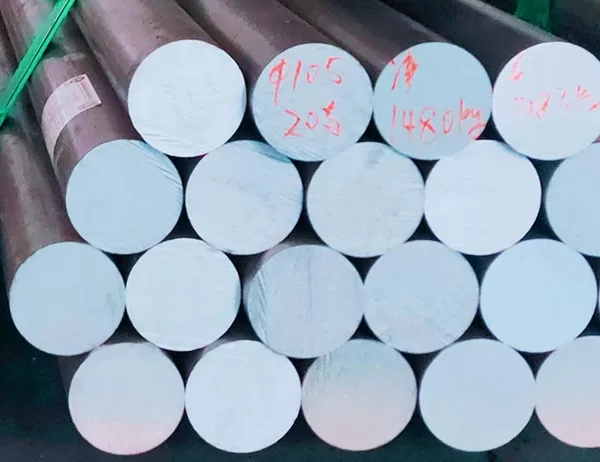
At the heart of extruded aluminum pipes lies a unique manufacturing process that transforms aluminum billets into elongated profiles of exceptional quality and consistency. By subjecting aluminum to immense pressure and temperature, it is forced through a precisely shaped die, resulting in tubes with intricate cross-sections and unparalleled structural properties.
Features that Define Superiority
Extruded aluminum pipes possess an array of exceptional features that set them apart from conventional piping materials:
Lightweight and Strong: Aluminum’s low density makes these pipes remarkably lightweight, while its high strength-to-weight ratio ensures superior load-bearing capacity.
Corrosion Resistant: Aluminum’s protective oxide layer renders it highly resistant to corrosion, even in harsh environments, eliminating the need for costly protective coatings.
Durable and Long-Lasting: Extruded aluminum pipes exhibit exceptional durability and longevity, withstanding extreme temperatures, pressure fluctuations, and the relentless passage of time.
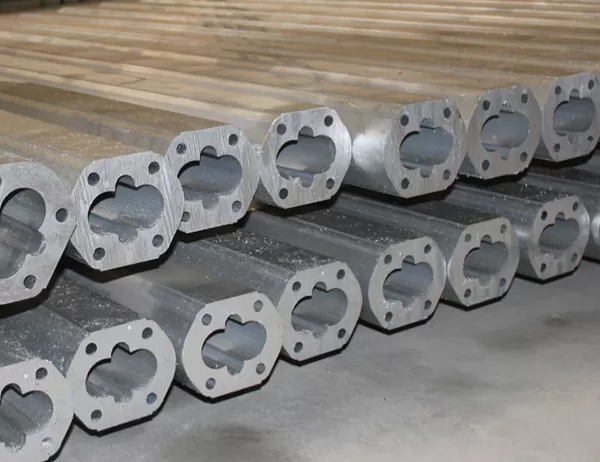
Versatile and Customizable: The wide range of alloy compositions and cross-sectional designs allows engineers to tailor extruded aluminum pipes to meet specific performance requirements.
Applications that Span Industries
The versatility of extruded aluminum pipes extends across a vast spectrum of industries, including:
Aerospace: Precision components for fuselage frames, wing spars, and landing gear.
Automotive: Structural elements, chassis reinforcements, and impact protection systems.
Construction: Lightweight framing for buildings, bridges, and other structures, including facades and curtain walls.
Industrial: Pipelines for compressed air, hydraulic fluids, and process gases, as well as heat exchangers and condensers.
Medical: Lightweight crutches, medical carts, and surgical instruments.
Benefits that Elevate Performance
By leveraging the unique properties of extruded aluminum pipes, engineers can unlock a world of benefits that enhance the performance of their products and systems:
Reduced Weight: Lighter weight structures improve fuel efficiency in vehicles and reduce the burden on structures.
Enhanced Durability: Corrosion resistance and structural integrity ensure long-lasting performance in demanding environments.
Simplified Manufacturing: The precision and consistency of extruded aluminum pipes streamline production processes, reducing assembly time and costs.
Design Freedom: Customizable cross-sections and alloy compositions empower designers to create innovative and complex structures.
Sustainability: Aluminum is a recyclable material, contributing to environmental sustainability.
Choosing the Right Extruded Aluminum Pipe
Selecting the optimal extruded aluminum pipe for a specific application requires careful consideration of several factors:
Alloy composition: Different alloys provide varying strength, corrosion resistance, and weldability characteristics.
Cross-sectional shape: Round, square, rectangular, and other shapes determine structural performance and compatibility with fittings.
Wall thickness: Thickness influences pressure rating, weight, and handling characteristics.
Length: Standard and custom lengths are available to suit specific design requirements.
Surface treatment: Anodizing, powder coating, or other treatments can enhance corrosion resistance and aesthetics.
: The Future of Extruded Aluminum Pipes
As technology advances and demand for lightweight, durable, and versatile materials continues to grow, extruded aluminum pipes will undoubtedly remain at the forefront of modern engineering. With their exceptional properties and virtually limitless applications, these remarkable products empower engineers to push the boundaries of design and innovation, transforming the way we build and interact with our world.