Introduction:
In the realm of materials engineering, extruded aluminum tubes stand as pillars of innovation, offering an unparalleled combination of versatility, durability, and aesthetic appeal. From sleek architectural designs to high-performance industrial applications, these tubes have revolutionized modern manufacturing. This comprehensive guide will delve into the intricacies of extruded aluminum tubes, unraveling their exceptional qualities and extensive utility.
Extrusion Process:
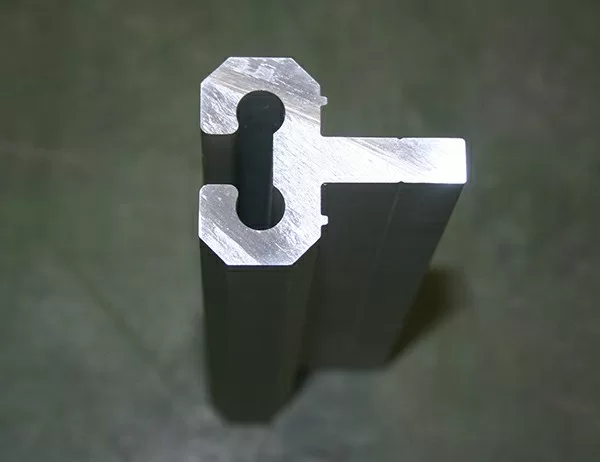
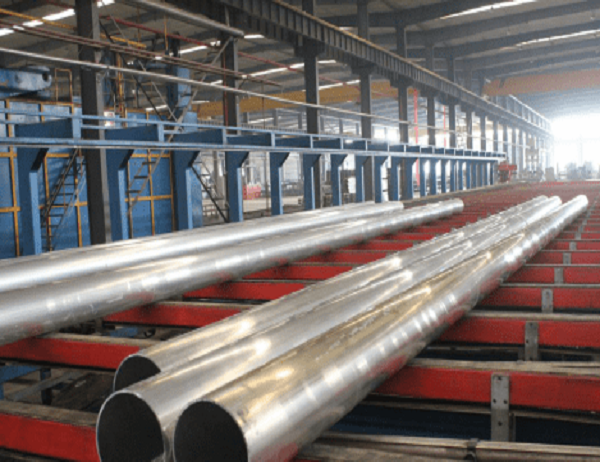
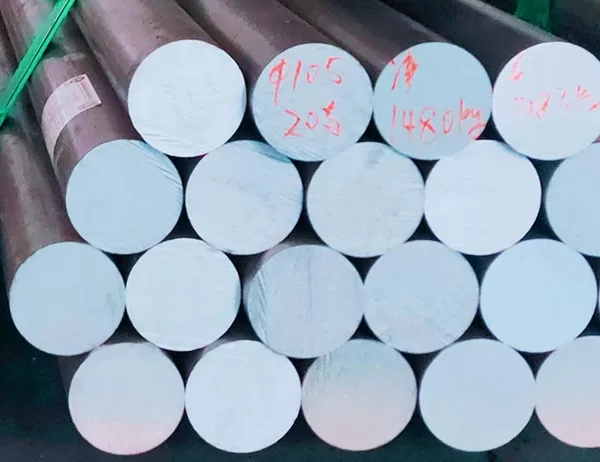
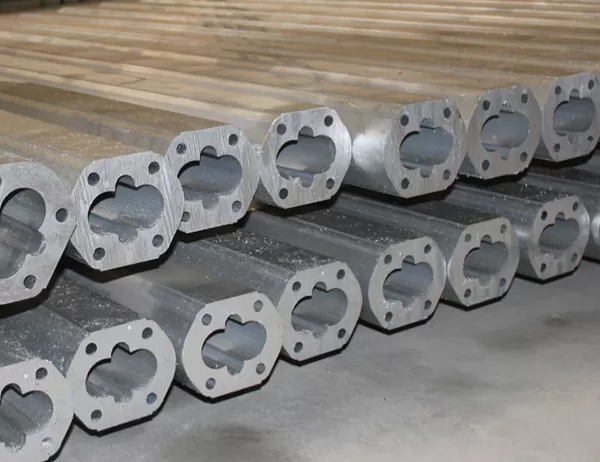
The extrusion process involves forcing molten aluminum through a die, creating a continuous tube with a specific shape and profile. This allows for the production of complex geometries, including intricate cross-sections, intricate curves, and hollow interiors. The resulting tubes boast exceptional dimensional accuracy, superior surface finishes, and consistent wall thicknesses.
Key Features:
Lightweight and Durable:
Extruded aluminum tubes combine remarkable strength and rigidity with a lightweight design. Their high strength-to-weight ratio makes them ideal for applications where both durability and mobility are paramount.
Corrosion Resistance:
Aluminum naturally forms a protective oxide layer that protects against corrosion and oxidation. Extruded tubes inherit this innate resistance, ensuring long-lasting performance in harsh environments.
Versatility:
Extruded aluminum tubes can be customized to meet a wide range of specifications, including various alloys, diameters, wall thicknesses, and surface treatments. This versatility makes them suitable for diverse applications, from structural supports to electrical conduits.
Thermal Conductivity:
Aluminum’s excellent thermal conductivity makes extruded tubes efficient heat transfer devices. They are widely used in heat exchangers, refrigeration systems, and other thermal management applications.
Aesthetic Appeal:
Extruded aluminum tubes offer an array of surface finishes, from anodized to painted, allowing for seamless integration into architectural designs and aesthetic considerations.
Applications:
Architectural:
Extruded aluminum tubes find widespread use in architectural facades, handrails, structural supports, and decorative elements, providing both strength and visual enhancement.
Industrial:
In industrial settings, these tubes excel as fluid transfer lines, hydraulic cylinders, and structural components in machinery, equipment, and transportation vehicles.
Consumer Products:
Extruded aluminum tubes are employed in a vast array of consumer products, including sports equipment, furniture, and household appliances.
Conclusion:
Extruded aluminum tubes are multifaceted engineering marvels that combine exceptional properties with remarkable versatility. Their lightweight strength, durability, and corrosion resistance make them ideal for a plethora of applications, from architectural masterpieces to high-performance industrial machinery. As innovation continues to drive the development of new alloys and extrusion techniques, the future of extruded aluminum tubes promises even greater advancements and expanded functionalities.