Introduction
In the ever-evolving landscape of construction, adaptability and functionality are paramount for project success. Aluminum formwork systems have emerged as a game-changer in this regard, offering unmatched versatility and efficiency in addressing the dynamic challenges of modern construction. This article delves into the key aspects of aluminum formwork systems, highlighting their flexibility and functionality in addressing these challenges.
Lightweight and Versatile
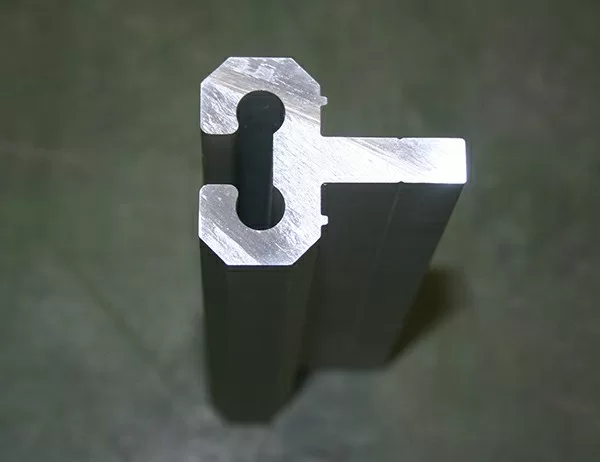
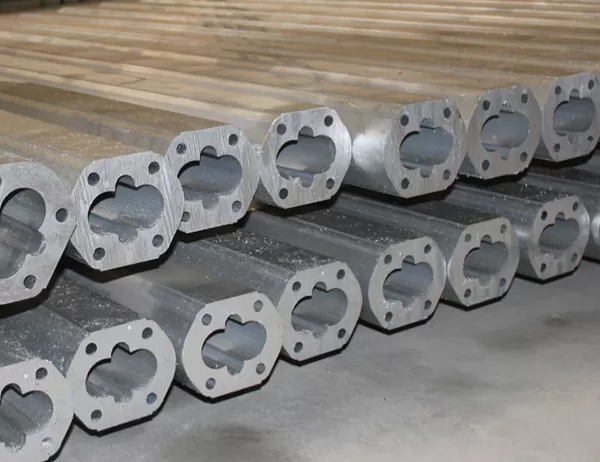
Aluminum formwork systems are exceptionally lightweight, making them easy to transport, handle, and assemble on-site. This advantage translates into reduced labor costs and faster project execution. Moreover, the modular nature of aluminum forms allows for customizable configurations and geometric flexibility, effortlessly accommodating diverse architectural designs and complex building geometries. This adaptability is particularly beneficial for projects with irregular shapes, curved surfaces, or intricate detailing.
Enhanced Durability and Repeatability
Aluminum is renowned for its exceptional durability and resistance to corrosion. This characteristic ensures the longevity of aluminum formwork systems and allows for multiple reuses without compromising their structural integrity or performance. The ability to redeploy forms significantly reduces material waste and lowers project costs. Furthermore, aluminum’s non-stick surface inhibits concrete adhesion, facilitating easy stripping and cast removal, leading to high-quality concrete finishes.
Streamlined Assembly and Dismantling
The assembly and dismantling of aluminum formwork systems are remarkably efficient processes. The lightweight components and intuitive locking mechanisms minimize the time and effort required for installation, enabling faster project completion. The standardized nature of aluminum forms also allows for streamlined training and reduces the risk of errors during assembly. The quick and effortless dismantling process ensures timely formwork removal and expedites subsequent construction stages.
Improved Safety and Ergonomics
Aluminum formwork systems prioritize safety and ergonomics for construction crews. The lightweight nature of aluminum minimizes the risk of injuries during handling and reduces the physical strain associated with traditional formwork systems. The use of quick-locking mechanisms eliminates the need for heavy lifting or specialized equipment, further enhancing safety and minimizing potential hazards. Moreover, the modularity of aluminum forms enables efficient and precise adjustments, reducing the need for manual interventions and ensuring a comfortable working environment for construction workers.
Superior Concrete Finish
Aluminum formwork systems are known for delivering high-quality concrete finishes. The smooth and non-stick surface of the forms prevents concrete adhesion and facilitates easy stripping, resulting in a uniform and blemish-free surface. The precise alignment and sealing of form joints minimize concrete leakage, leading to enhanced structural integrity and durability. Additionally, aluminum forms can accommodate various architectural textures and patterns, allowing for aesthetically pleasing concrete finishes that meet specific design requirements.
Conclusion
Aluminum formwork systems are revolutionizing the construction industry by providing unparalleled flexibility, functionality, and efficiency. Their lightweight and versatile nature, enhanced durability, streamlined assembly, improved safety, and superior concrete finish make them an indispensable tool for addressing the dynamic challenges of modern construction projects. By embracing these systems, construction professionals can achieve faster project execution, reduce material waste, improve safety, and deliver high-quality results that meet the demands of contemporary architecture. As the industry continues to evolve, aluminum formwork systems will undoubtedly play an increasingly prominent role in shaping the future of construction.