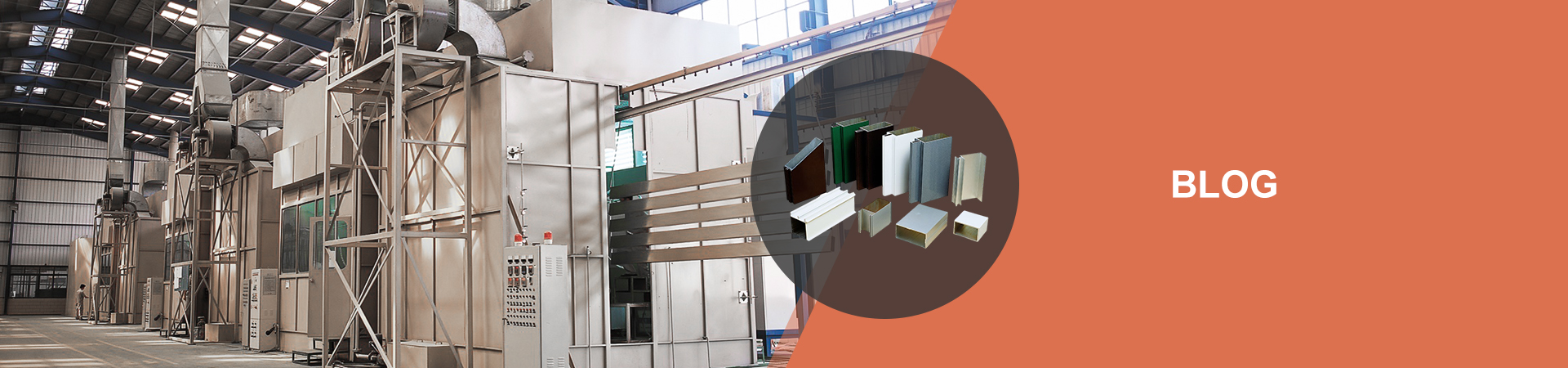
Aluminium extrusion pipe technology has undergone significant advancements in recent years, transforming the manufacturing industry and unlocking a wide range of applications. These advancements have revolutionized the production of aluminium pipes, enhancing their performance, efficiency, and versatility. This article explores the key advances in aluminium extrusion pipe technology, delving into their impact and benefits.
Aluminium extrusion processes have been optimized to produce pipes with superior strength and durability. Through advanced alloying techniques and precise extrusion control, manufacturers can achieve high-strength aluminium alloys with excellent tensile strength, yield strength, and hardness. This enhanced strength makes aluminium pipes suitable for demanding applications in structural components, oil and gas transportation, and aerospace engineering.
Advances in surface treatment technologies have significantly improved the surface quality and corrosion resistance of aluminium extrusion pipes. Anodizing, coating, and finishing techniques create a protective layer on the pipe surface, enhancing its resistance to corrosion, abrasion, and chemicals. This allows aluminium pipes to withstand harsh environments and maintain their integrity over extended periods.
Precision extrusion processes and advanced tooling have enabled the production of aluminium pipes with exceptional dimensional accuracy and consistency. Tight tolerances and uniform wall thicknesses ensure precise fitment in assemblies and minimize assembly time. This enhanced accuracy is crucial in applications where leak-proof connections and precise alignment are critical, such as in hydraulic systems and medical equipment.
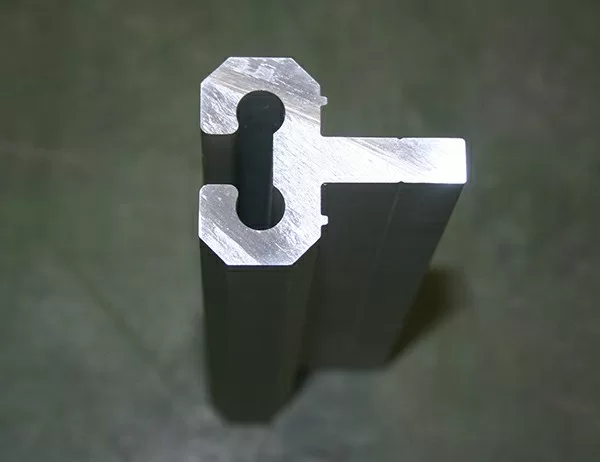
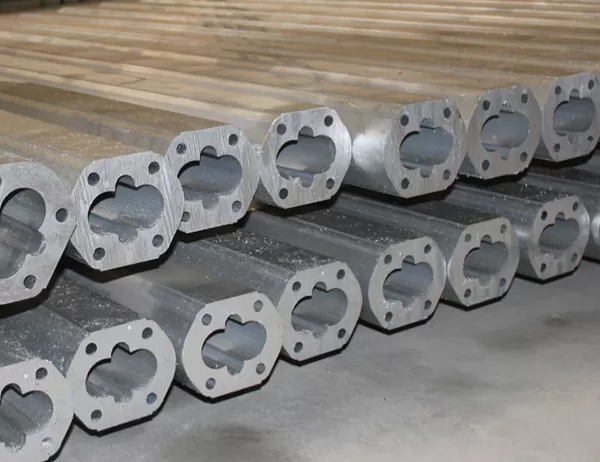
Modern extrusion technology allows for the production of aluminium pipes in a wide range of shapes and complex profiles. Advanced die design and precise extrusion techniques enable the creation of intricately shaped pipes that meet specific application requirements. This versatility opens up new possibilities for product design and customization, allowing engineers to optimize flow dynamics, reduce weight, and improve aesthetics.
Aluminium extrusion pipes are inherently lightweight, contributing to energy efficiency in various applications. The low density of aluminium reduces the overall weight of components and assemblies, leading to improved fuel efficiency in transportation and reduced energy consumption in industrial processes. This lightweight construction makes aluminium pipes ideal for aerospace, automotive, and renewable energy industries.
Aluminium extrusion pipe technology aligns with sustainability goals by utilizing recycled aluminium. The recycling process consumes significantly less energy than primary aluminium production, reducing the environmental impact. Moreover, aluminium pipes can be easily recycled at the end of their service life, contributing to a circular economy and minimizing waste.
Advances in aluminium extrusion pipe technology have transformed the manufacturing industry, offering a myriad of benefits that enhance performance, efficiency, and versatility. From enhanced strength and durability to improved surface quality and dimensional accuracy, aluminium extrusion pipes continue to meet the demanding requirements of modern applications. As research and development continue, further advancements can be expected, unlocking even greater potential for this innovative manufacturing process.