The growing demand for renewable energy sources has led to advancements in solar technology, including the use of aluminum profiles in solar applications. Aluminum profiles offer several advantages for solar installations, and recent innovations have further enhanced their performance and versatility. This article explores the latest advances in aluminum profile technology for solar applications, highlighting their benefits and potential impact on the solar industry.
Aluminum profiles are inherently lightweight, making them easy to handle and install. They are also strong and durable, able to withstand harsh weather conditions and mechanical loads. The high strength-to-weight ratio of aluminum allows for the creation of robust solar structures that can support heavy solar panels without compromising structural integrity.
Aluminum profiles are highly resistant to corrosion, making them suitable for outdoor use in humid and coastal environments. Their natural silver color complements the sleek aesthetics of solar installations, and they can also be anodized or painted to match specific design requirements. The corrosion resistance of aluminum ensures long-term durability and reduces maintenance costs over the lifespan of the solar system.
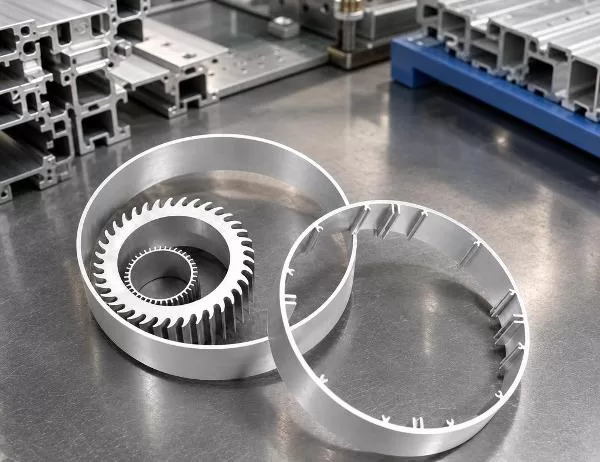
Heat dissipation is crucial for solar panels to operate efficiently. Aluminum profiles act as heat sinks, effectively dissipating heat away from the solar cells. This helps to maintain optimal operating temperatures, preventing performance degradation and extending the lifespan of the solar panels. The superior thermal conductivity of aluminum enables efficient heat transfer, ensuring consistent performance even in high-temperature conditions.
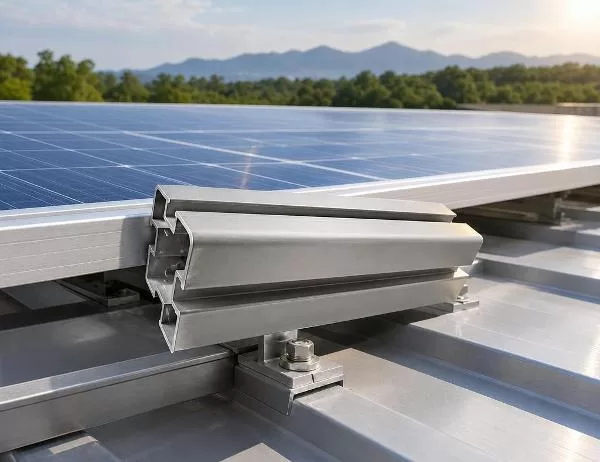
Aluminum profiles are designed with ease of installation in mind. They feature pre-drilled holes and channels, allowing for quick and secure assembly. The lightweight nature of aluminum profiles reduces the need for heavy lifting equipment, making installation faster and more efficient. By minimizing labor costs and installation time, aluminum profiles contribute to the overall cost-effectiveness of solar projects.
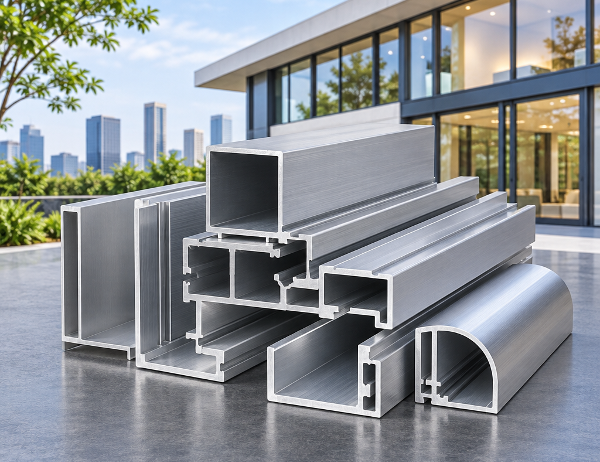
Aluminum profiles offer a high degree of design flexibility. They can be extruded into various shapes and sizes to meet specific application requirements. This allows for the customization of solar structures to accommodate different roof types, panel configurations, and site constraints. The flexibility of aluminum profiles enables the creation of optimized solar installations that maximize energy yield while seamlessly integrating with the building aesthetics.
Advances in aluminum profile technology have significantly enhanced the performance and versatility of solar applications. The lightweight, durable, and corrosion-resistant nature of aluminum profiles provides long-term reliability and reduces maintenance costs. The efficient thermal management capabilities ensure optimal solar panel performance, while the ease of installation and design flexibility contribute to cost-effective and aesthetically pleasing solar projects. As the solar industry continues to expand, the adoption of advanced aluminum profile technology will play a pivotal role in maximizing energy efficiency and driving the transition towards sustainable energy sources.