Aerospace Applications of Aluminum Alloy Tubing: Soaring to New Heights
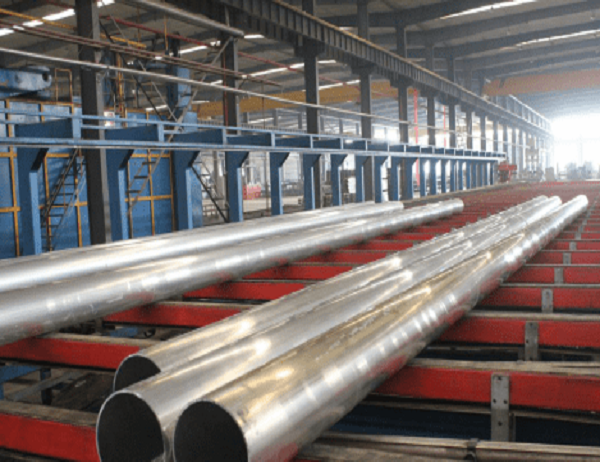
In the realm of aerospace engineering, where precision and lightness reign supreme, aluminum alloy tubing ascends as a celestial material. Its exceptional strength-to-weight ratio, corrosion resistance, and malleability make it an indispensable component in the construction of aircraft, spacecraft, and other celestial explorers.
Lightweight and Resilient
Aluminum alloy tubing is remarkably lightweight, allowing for the design of aircraft that are both agile and fuel-efficient. Its high strength ensures that it can withstand the intense stresses and vibrations encountered during takeoff, landing, and maneuverability. Moreover, its ability to absorb impact energy further enhances aircraft safety.
Corrosion-Resistant and Durable
Aerospace environments are notoriously harsh, featuring extreme temperatures, humidity, and corrosive chemicals. Aluminum alloy tubing exhibits exceptional corrosion resistance, safeguarding aircraft components from the ravages of time and exposure. Its durability ensures that aircraft can perform reliably and withstand the rigors of flight for extended periods.
Versatile and Customizable
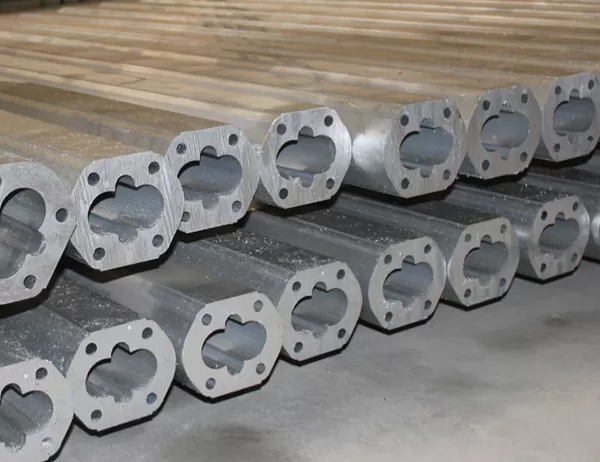
Aluminum alloy tubing offers unparalleled versatility in aerospace applications. Its seamless design allows for the creation of complex shapes and geometries, enabling engineers to optimize aircraft aerodynamics and performance. Its ability to be drawn into various diameters, thicknesses, and lengths provides customization options to meet specific design requirements.
Fuel-Efficient and Environmentally Friendly
The lightweight nature of aluminum alloy tubing contributes to reduced fuel consumption and enhances aircraft range and payload capacity. By optimizing the weight and efficiency of aircraft, aluminum alloy tubing plays a crucial role in reducing carbon emissions and promoting environmental sustainability.
Examples of Aerospace Applications
Aluminum alloy tubing finds applications throughout the aerospace industry, including:
Aircraft fuselage and wing structures
Landing gear and undercarriage systems
Fuel lines and hydraulic systems
Spacecraft cryogenic storage tanks
Launch vehicle rocket nozzles
Conclusion
Aluminum alloy tubing is an indispensable material in aerospace engineering, enabling the construction of aircraft and spacecraft that soar to extraordinary heights. Its lightweight, corrosion-resistant, and versatile properties ensure that it will continue to be an essential component in the advancement of human exploration and the conquest of the skies.