Aluminium Heat Sinks in Telecommunications Equipment: A Comprehensive Analysis
Telecommunications equipment, such as servers, routers, and switches, generate significant heat due to the constant processing and data transmission. Excessive heat can lead to malfunctions, reduced lifespan, and even catastrophic failures. Aluminium heat sinks play a critical role in managing this heat, ensuring the reliable operation of these vital components.
High Thermal Conductivity
Aluminium has a high thermal conductivity, which means it can efficiently transfer heat away from electronic components. This property makes it an ideal material for heat sinks, as it can rapidly dissipate heat to the surrounding air. By effectively removing heat from sensitive electronic components, aluminium heat sinks prevent overheating and ensure optimal performance.
Durability and Corrosion Resistance
Aluminium is a durable material that can withstand harsh operating conditions. It is resistant to corrosion, which is particularly important in telecommunications equipment that may be exposed to varying humidity levels. Aluminium heat sinks can maintain their integrity over extended periods, ensuring long-term reliability and reducing maintenance costs.
Lightweight and Compact Design
Aluminium is a lightweight material, making it suitable for use in applications where weight is a concern. This is especially important in telecommunications equipment that may be mounted on walls or ceilings. Compact designs allow for the efficient use of space and facilitate installation in tight locations.
Enhanced Heat Dissipation through Fins
Aluminium heat sinks typically feature fins, which increase the surface area for heat transfer. These fins provide additional thermal dissipation capacity, allowing the heat sink to dissipate more heat per unit area. The design of the fins can also be optimized to enhance airflow and improve cooling efficiency.
Types of Aluminium Heat Sinks
There are various types of aluminium heat sinks available for telecommunications equipment, including:
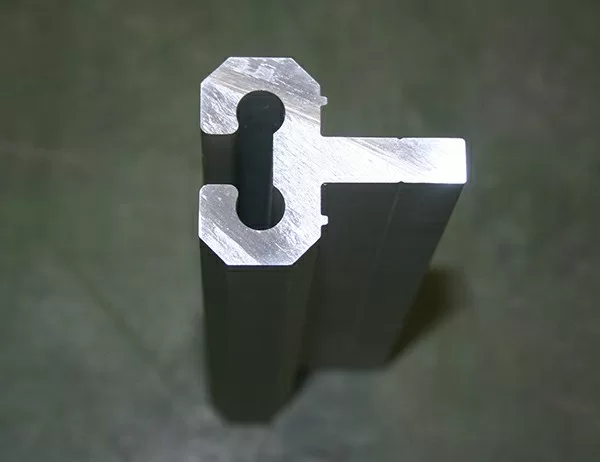
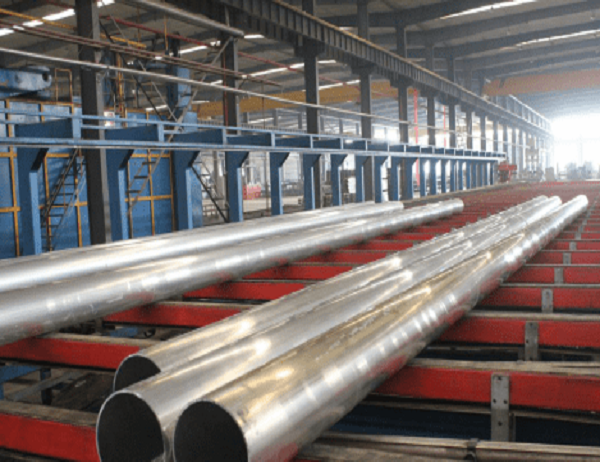
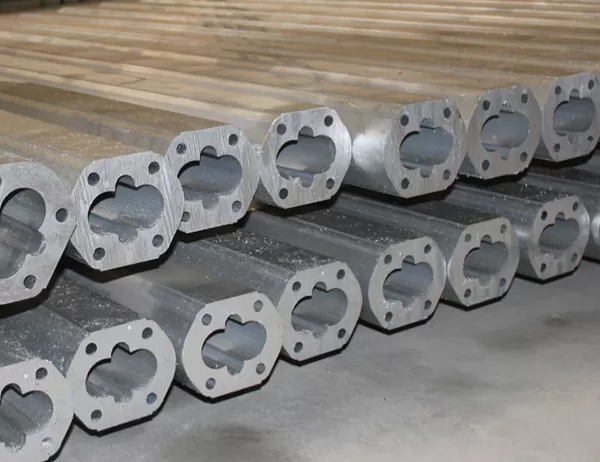
– Extruded Heat Sinks: These heat sinks are manufactured by extruding aluminium through a die to create a specific shape and profile. They are suitable for applications requiring high thermal performance and can be customized to meet specific requirements.
– Bonded-Fin Heat Sinks: These heat sinks consist of an aluminium base plate to which aluminium fins are bonded using an adhesive. They offer a lightweight and cost-effective solution for applications where space is limited.
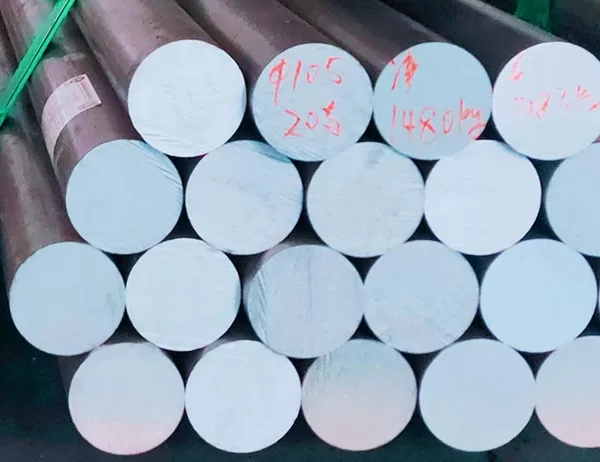
– Forged Heat Sinks: These heat sinks are forged from a single piece of aluminium, resulting in a stronger and more rugged construction. They are suitable for high-power applications and can be customized with complex geometries.
Conclusion
Aluminium heat sinks are essential components of telecommunications equipment, providing effective heat dissipation and ensuring the reliability and longevity of these critical systems. Their high thermal conductivity, durability, lightweight design, and enhanced heat dissipation through fins make them an ideal solution for managing the heat generated by electronic components. By utilizing aluminium heat sinks, telecommunications equipment can operate efficiently and reliably, delivering the high-quality services that are essential in today’s interconnected world.