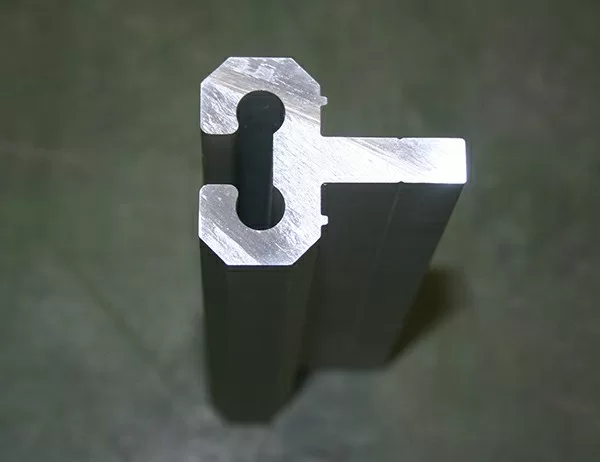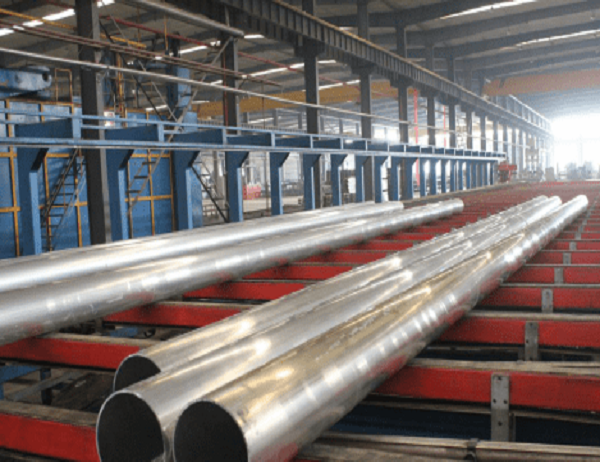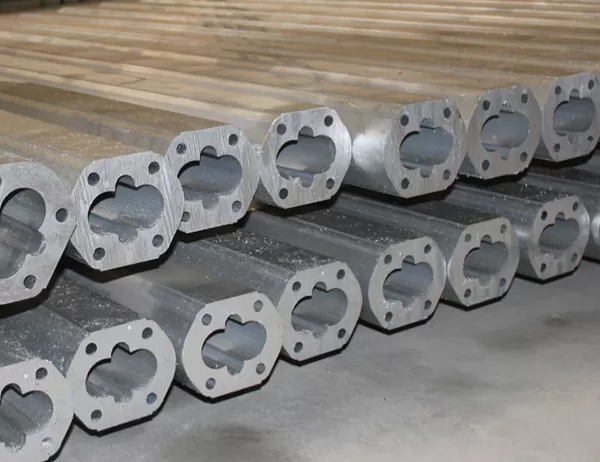
Aluminum extrusion pipes are a versatile and widely used form of metal tubing produced through a process called extrusion. This technique involves forcing molten aluminum through a shaped die to create a continuous profile. The resulting pipes offer numerous advantages, including high strength, lightweight, corrosion resistance, and ease of fabrication. This article provides an overview of the manufacturing process and applications of aluminum extrusion pipes.
Manufacturing Process of Aluminum Extrusion Pipes
The manufacturing process of aluminum extrusion pipes involves several key steps:
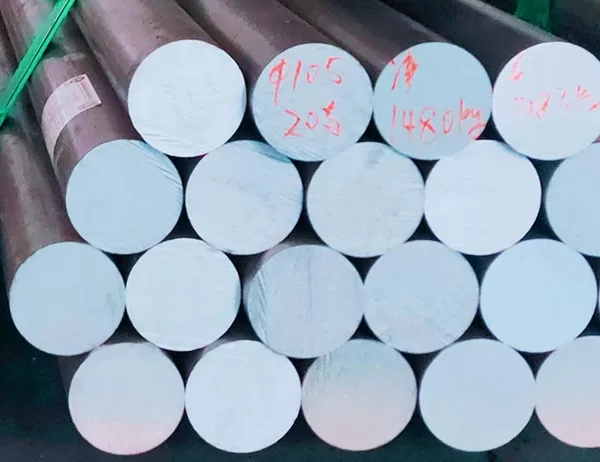
Billet Preparation: An aluminum billet, typically a cylindrical ingot, is heated to a semi-solid state.
Extrusion: The billet is placed in an extrusion press and forced through a die with the desired cross-sectional shape.
Cooling and Straightening: The extruded pipe is cooled and straightened to remove any distortions.
Finishing: The pipe undergoes various finishing processes, such as anodizing or powder coating, to enhance its surface properties.
Material Properties and Characteristics
Aluminum extrusion pipes possess several desirable properties that make them suitable for a range of applications:
High Strength: Aluminum alloys used for extrusion have excellent strength-to-weight ratios, making the pipes resistant to bending and deformation.
Lightweight: Aluminum is a lightweight metal, resulting in pipes that are easy to handle and reduce overall weight in applications.
Corrosion Resistance: Aluminum forms a protective oxide layer on its surface, providing excellent resistance to corrosion, even in harsh environments.
Durability: Aluminum extrusion pipes have a long lifespan and can withstand various weather conditions without significant degradation.
Machinability: The pipes are relatively easy to machine, allowing for precise cutting and shaping.
Applications of Aluminum Extrusion Pipes
Aluminum extrusion pipes find numerous applications in various industries, including:
Construction: Used in structural components, such as framing, scaffolding, and roofing systems.
Automotive: Utilized in body panels, frames, and engine components due to their lightweight and strength.
Transportation: Employ in rail cars, aircraft, and marine vehicles for structural and weight-saving purposes.
Consumer Products: Applied in furniture, appliances, and sporting goods due to their aesthetic appeal and durability.
Industrial Machinery: Used in equipment housings, conveyor systems, and hydraulic cylinders.
Conclusion
Aluminum extrusion pipes offer a combination of strength, lightweight, corrosion resistance, and versatility that makes them a preferred choice for diverse applications across various industries. Their manufacturing process involves extrusion, cooling, straightening, and finishing to achieve the desired properties and shapes. The unique characteristics of aluminum extrusion pipes contribute to their widespread use in construction, automotive, transportation, consumer products, and industrial machinery.