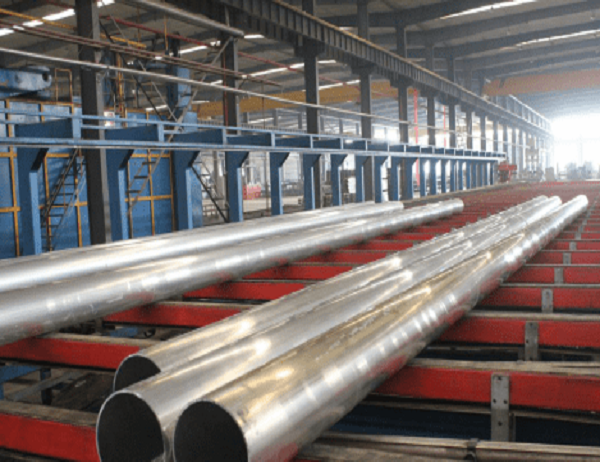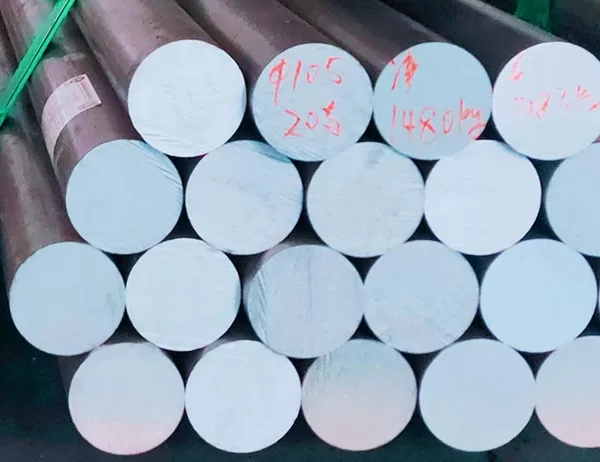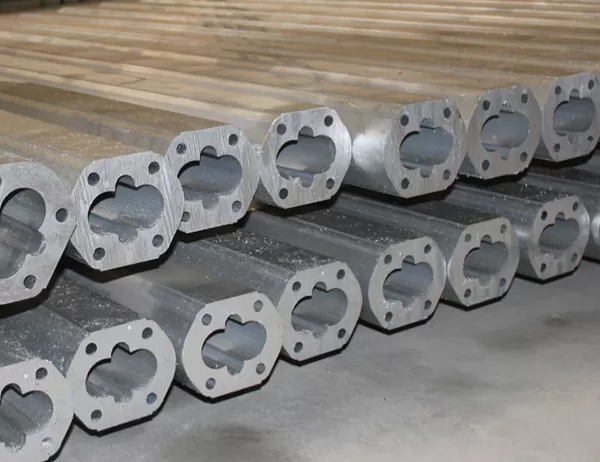
Aluminum solar frames are a popular choice for mounting photovoltaic panels due to their durability, light weight, and corrosion resistance. However, there are other materials that can also be used for solar frames, each with its own advantages and disadvantages. In this article, we will explore the pros and cons of aluminum solar frames in comparison with other materials, helping you make an informed decision for your solar project.
Aluminum is highly resistant to corrosion, making it an ideal choice for solar frames that will be exposed to the elements. Unlike steel, which is prone to rust, aluminum forms a protective oxide layer that prevents it from corroding. This makes aluminum solar frames particularly suitable for coastal areas or environments with high humidity.
Aluminum has a high strength-to-weight ratio, meaning it is strong for its weight. This makes it possible to create solar frames that are lightweight and easy to install, without sacrificing durability. The lighter weight of aluminum frames also reduces shipping costs and makes them easier to handle on the job site.
Aluminum is a relatively expensive material, and aluminum solar frames tend to be more expensive than frames made from other materials. However, the higher cost may be justified by the increased durability and corrosion resistance of aluminum frames, which can extend the lifespan of your solar system.
In addition to aluminum, there are several other materials that can be used for solar frames, including:
Steel
Steel is a strong and durable material that is commonly used for solar frames. However, steel is also prone to rust, which can reduce its lifespan. To protect steel frames from corrosion, they must be galvanized or coated with a protective finish.
Galvanized Steel
Galvanized steel is a steel frame that has been coated with a layer of zinc to protect it from corrosion. Galvanized steel frames are more corrosion-resistant than bare steel frames, but they can still rust over time.
Stainless Steel
Stainless steel is a corrosion-resistant metal that is often used for solar frames in coastal areas or other harsh environments. Stainless steel frames are more expensive than steel frames, but they have a longer lifespan and require less maintenance.
The choice of material for solar frames depends on a variety of factors, including cost, durability, corrosion resistance, and weight. Aluminum solar frames offer a combination of strength, durability, and corrosion resistance, making them a popular choice for many solar projects. However, other materials, such as galvanized steel and stainless steel, may be more suitable for certain applications, such as those in harsh environments or where cost is a primary concern.