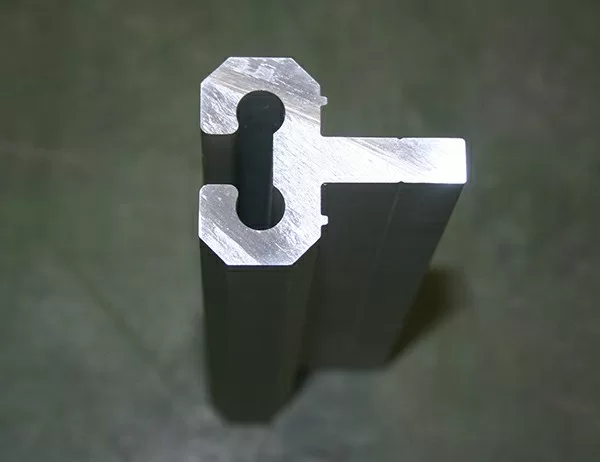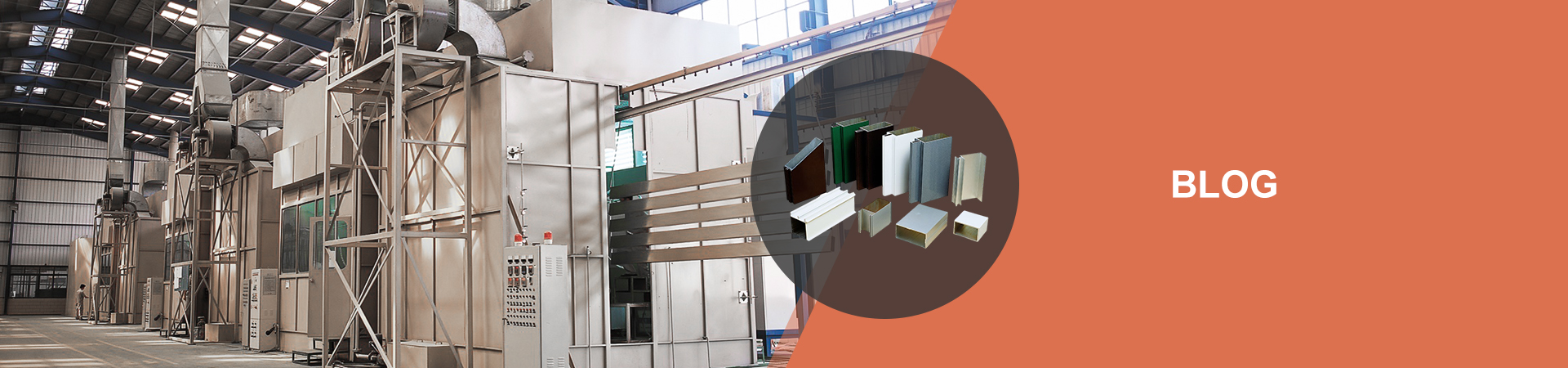
Aluminum T-section extrusions are a type of aluminum profile that is commonly used in a variety of fabrication and assembly applications. With their unique shape and versatility, T-sections provide numerous benefits, making them suitable for projects ranging from framing and structural support to furniture and decor. This comprehensive buying guide aims to provide an overview of aluminum T-section extrusions, exploring their key features, advantages, and essential considerations for buyers.
Aluminum T-sections are primarily made from aluminum alloy, which combines excellent strength-to-weight ratio, corrosion resistance, and durability. The commonly used alloys for T-sections include 6000 series and 7000 series, offering a balance of strength, workability, and weldability. Understanding the grades and their properties is crucial to select the appropriate T-section for specific applications.
The dimensions of aluminum T-section extrusions refer to their overall length, width, and thickness, which vary widely depending on the intended usage. Buyers should pay attention to the dimensions as well as the tolerances, which indicate the allowable deviation from the specified dimensions. Proper dimensioning and adherence to tolerances ensure compatibility with other components and overall structural integrity.
The surface of aluminum T-sections can undergo various treatments to enhance its appearance, durability, and functionality. Common surface treatments include anodizing, powder coating, and painting. Anodized surfaces provide corrosion resistance and a decorative finish, while powder coating offers a wider range of colors and textures, and painting allows for custom color matching and branding.
Aluminum T-sections are often used in conjunction with accessories such as fasteners, connectors, and brackets. These accessories facilitate assembly, provide support, and enable T-sections to be integrated into larger structures. Buyers should consider the compatibility of T-sections with available accessories to ensure seamless integration and efficient assembly.
The quality of aluminum T-section extrusions plays a significant role in their performance and longevity. Buyers should look for T-sections that meet industry standards such as ASTM or ISO, which provide assurance of material composition, dimensional accuracy, and structural integrity. Furthermore, verifying certifications from reputable organizations like the Aluminum Extruders Council (AEC) demonstrates adherence to best practices and quality control.
Price is an important factor when purchasing aluminum T-section extrusions. The cost can vary based on the size, length, alloy, surface treatment, and supplier. Buyers should compare prices from multiple suppliers and consider factors such as minimum order quantities, lead times, and shipping costs to optimize their purchasing decisions. Availability refers to the lead time and ease of obtaining the desired T-sections. Choosing a supplier with ample stock and reliable delivery ensures timely project completion.
Aluminum T-section extrusions offer a combination of versatility, durability, and cost-effectiveness. By considering factors such as material, dimensions, surface treatments, accessories, quality, and cost, buyers can make informed decisions that align with their project requirements. Understanding the key aspects presented in this comprehensive buying guide empowers readers to confidently select the appropriate aluminum T-section extrusions for their specific applications.