Aluminum extrusions have become increasingly popular in the automotive industry due to their lightweight, strength, and versatility. These extrusions offer a range of benefits that make them an ideal material for various automotive applications. This article examines the key advantages of using aluminum extrusions in automotive designs.
One of the primary benefits of aluminum extrusions is their lightweight properties. Aluminum is significantly lighter than steel, the traditional material used in automotive manufacturing. By replacing steel components with aluminum extrusions, manufacturers can reduce the overall weight of vehicles. This weight reduction leads to improved fuel efficiency, reduced emissions, and enhanced performance.
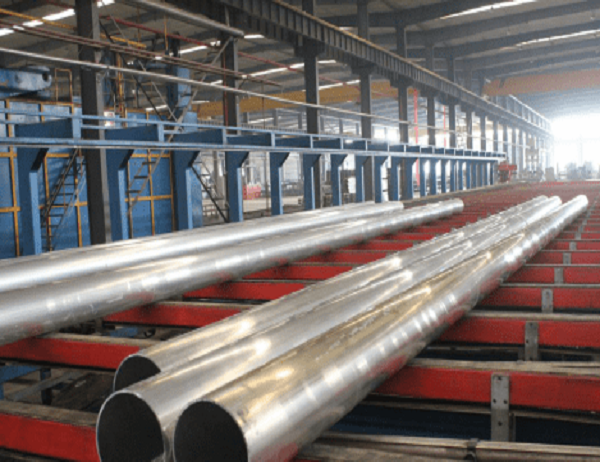
Despite their lightweight nature, aluminum extrusions possess high strength and durability. The extrusion process aligns the aluminum alloy’s grains, resulting in a stronger material than cast or rolled aluminum. This increased strength enables aluminum extrusions to withstand significant loads and impacts, making them suitable for structural applications such as frames and chassis components.
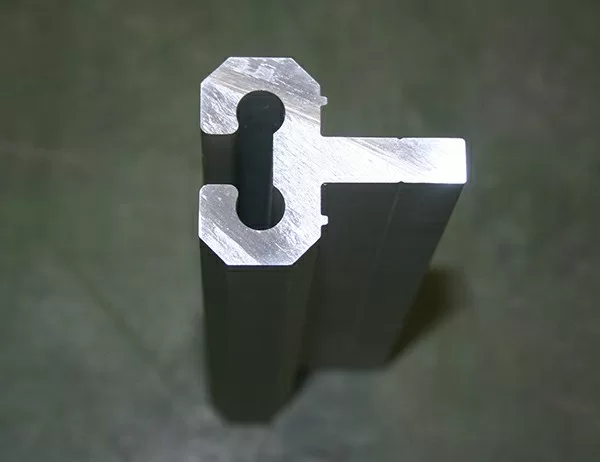
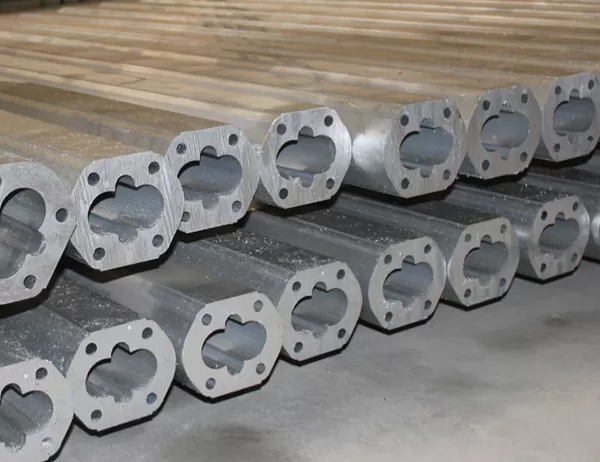
Aluminum extrusions offer unparalleled design flexibility. The extrusion process allows manufacturers to create complex shapes and cross-sections, including hollow profiles, tubes, and intricate geometries. This design versatility enables engineers to optimize component design for specific performance requirements and aesthetics. Additionally, extrusions can be customized to integrate features like integrated channels, ribs, and mounting points, reducing assembly time and complexity.
Aluminum extrusions are highly resistant to corrosion. The naturally occurring oxide layer that forms on the surface of aluminum protects it from the effects of moisture, salt, and other corrosive agents. This corrosion resistance makes aluminum extrusions ideal for exterior applications such as body panels, bumpers, and trim.
Aluminum has excellent thermal conductivity, making it an effective material for dissipating heat. In automotive applications, aluminum extrusions can be used for heat sinks, cooling coils, and other components that require efficient heat transfer. This ability to dissipate heat helps maintain optimal operating temperatures, preventing premature wear and failure.
Despite their superior properties, aluminum extrusions can be cost-effective. The extrusion process allows for high production rates, reducing manufacturing costs. Additionally, the lightweight properties of aluminum can minimize shipping and handling expenses. By optimizing component design and leveraging extrusion technology, manufacturers can achieve cost savings while maintaining high performance standards.
Aluminum extrusions offer a comprehensive range of benefits for automotive applications. Their lightweight, strength, design flexibility, corrosion resistance, heat dissipation, and cost-effectiveness make them an ideal choice for manufacturers seeking to improve vehicle performance, reduce emissions, and optimize design aesthetics. As the automotive industry continues to evolve, the demand for aluminum extrusions is expected to grow, enabling manufacturers to create innovative and sustainable vehicles that meet the ever-changing needs of consumers.