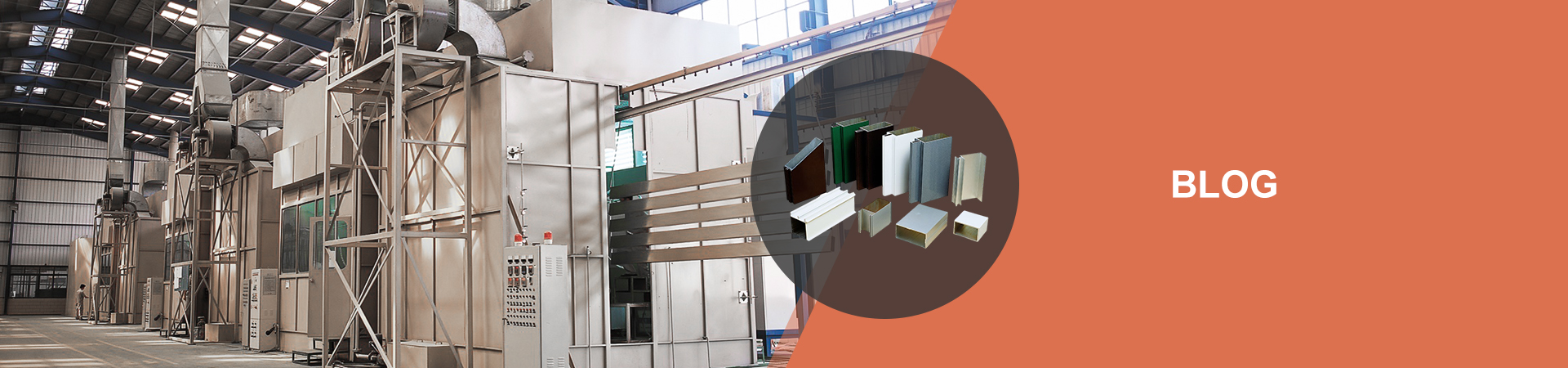
Industrial aluminum profiles are widely used in a variety of manufacturing applications due to their unique combination of strength, lightweight, corrosion resistance, and ease of fabrication. By leveraging the advantages of aluminum profiles, manufacturers can streamline production processes, reduce costs, and improve product quality. This article explores the key benefits of using industrial aluminum profiles in manufacturing.
Aluminum profiles possess exceptional strength-to-weight ratio, making them ideal for weight-sensitive applications. Their extruded nature provides consistent structural properties throughout the profile, ensuring rigidity and stability under load. The use of aluminum profiles eliminates the need for additional bracing or reinforcement, resulting in lightweight and durable structures.
Aluminum’s natural oxide layer protects it from corrosion, making it suitable for harsh environments and outdoor applications. Aluminum profiles have a long service life and do not rust, unlike ferrous metals. This corrosion resistance eliminates the need for protective coatings or frequent maintenance, reducing long-term costs associated with materials degradation.
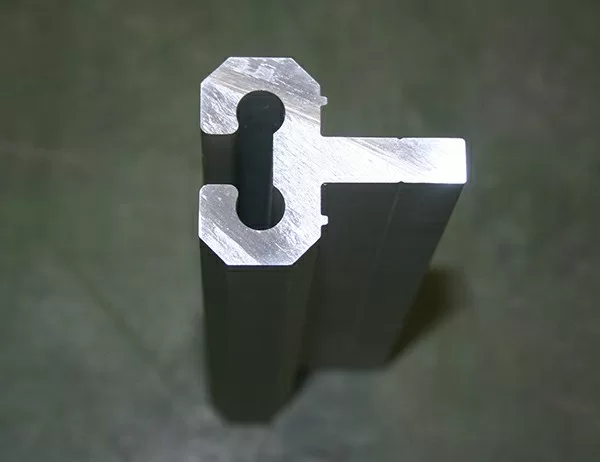
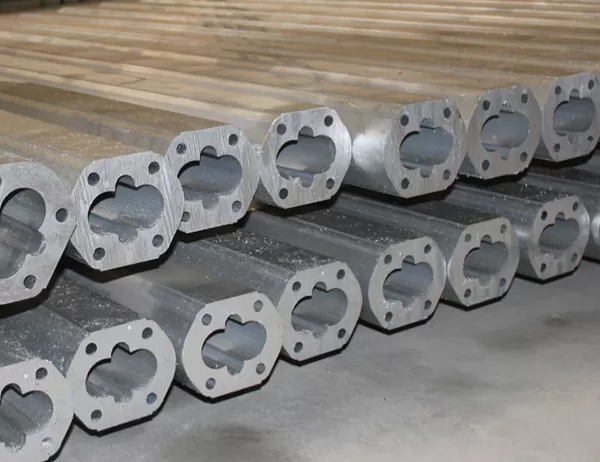
Industrial aluminum profiles are available in a wide range of shapes, sizes, and thicknesses. This versatility allows manufacturers to customize profiles to meet specific design requirements. The ability to create complex geometries and intricate sections enhances the aesthetic appeal and functionality of products. The flexibility of aluminum profiles facilitates rapid prototyping and customization, enabling manufacturers to respond quickly to changing market demands.
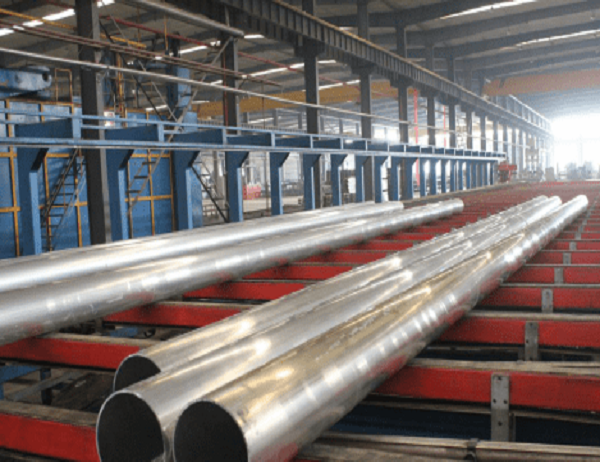
Aluminum profiles are produced through a precision extrusion process that ensures tight tolerances and high dimensional accuracy. This eliminates the need for extensive machining or finishing, reducing production time and material waste. The precision of aluminum profiles guarantees reliable assembly and consistent product quality, enhancing efficiency and reducing errors.
Aluminum possesses excellent heat conductivity, making it suitable for applications that require heat dissipation. The use of aluminum profiles in thermal management systems improves heat transfer efficiency and prevents overheating. Additionally, aluminum is a good electrical conductor, making it ideal for electrical components and enclosures.
Aluminum is a highly recyclable material, making it an environmentally friendly option. Industrial aluminum profiles can be recovered and recycled multiple times without compromising their properties. This reduces waste and promotes sustainable manufacturing practices. The use of aluminum profiles contributes to green initiatives and aligns with corporate environmental responsibility goals.
Industrial aluminum profiles offer a multitude of benefits for manufacturers across various industries. Their exceptional strength, corrosion resistance, design flexibility, precision, heat resistance, electrical conductivity, and sustainability make them the ideal choice for a wide range of applications. By leveraging the advantages of aluminum profiles, manufacturers can gain competitive advantages, improve product quality, and reduce costs while promoting sustainable manufacturing practices.