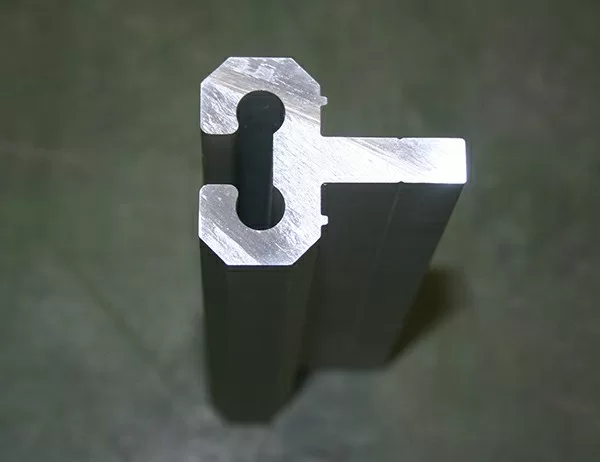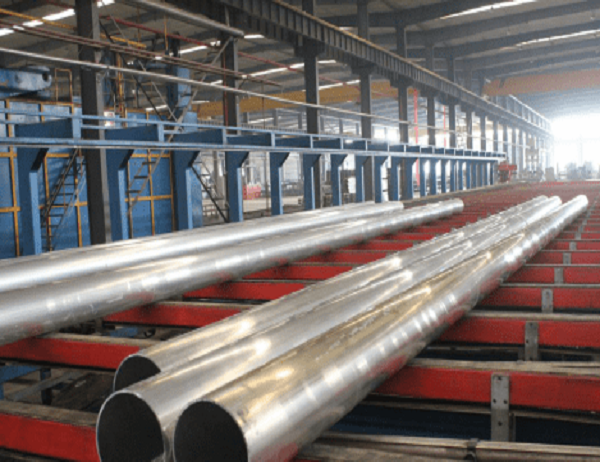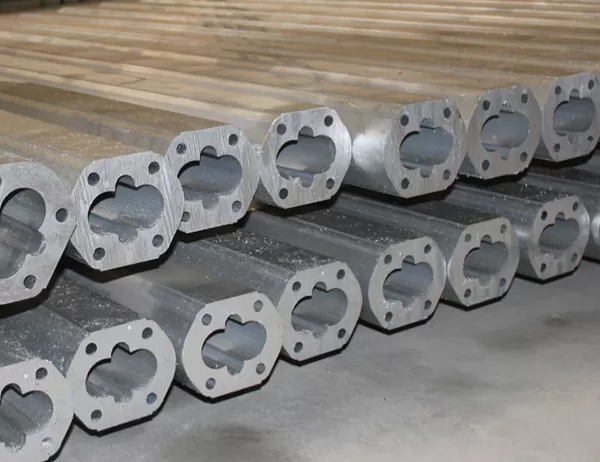
In the realm of furniture design, aluminum furniture profiles have emerged as a versatile and durable material, offering both aesthetic appeal and functional advantages. To harness the full potential of these profiles, it’s essential to adhere to best practices that ensure optimal performance and longevity. This article will delve into the fundamental principles and guidelines for designing with aluminum furniture profiles, empowering designers to create functional, visually stunning, and enduring pieces.
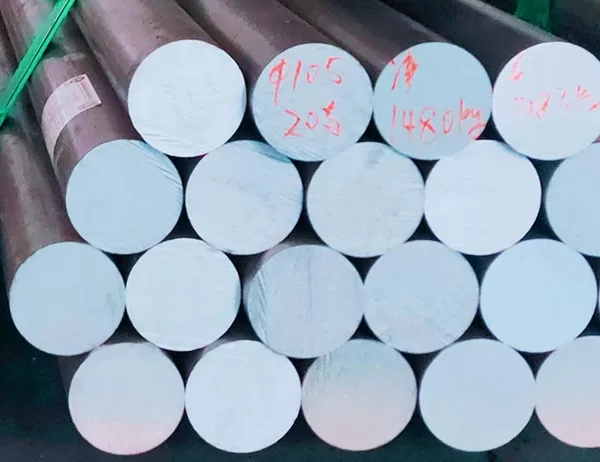
The first step in designing with aluminum furniture profiles involves selecting the appropriate alloy. Different alloys possess unique properties that cater to specific design requirements. For instance, 6061-T6 aluminum offers a high strength-to-weight ratio, making it ideal for load-bearing applications, while 6063-T5 alloy provides excellent corrosion resistance, suitable for outdoor furniture.
Aluminum furniture profiles are inherently strong but must be designed to withstand the rigors of everyday use. Consider the load capacity, impact resistance, and bending forces that the furniture will encounter. Utilize structural elements such as gussets, struts, and reinforcements to enhance strength and prevent premature failure.
The joints between profiles are critical to the structural integrity of aluminum furniture. Choose joint designs that maximize load transfer and prevent stress concentrations. Common joint techniques include butt joints, mitered joints, and mechanical fasteners. Ensure proper alignment and secure connections to guarantee stability and durability.
Aluminum furniture profiles can be subjected to various surface treatments to enhance their appearance and durability. Anodizing, powder coating, or painting are effective methods to protect against corrosion, increase scratch resistance, and provide aesthetic appeal. Select the surface treatment that best aligns with the desired aesthetic and performance requirements.
Furniture design should prioritize user comfort and ergonomics. When designing with aluminum furniture profiles, consider the anthropometrics of potential users. Ensure that the dimensions, angles, and contours of the furniture provide optimal support and minimize strain or discomfort.
Furniture made with aluminum furniture profiles should be easy to assemble and disassemble for ease of maintenance or transportation. Utilize fasteners that allow for quick assembly and disassembly without compromising structural integrity. Design modular components that can be easily combined or separated as needed.
Aluminum is an environmentally friendly material that can be recycled repeatedly. When designing with aluminum furniture profiles, prioritize sustainability by choosing profiles made from recycled aluminum and employing eco-friendly surface treatments. Consider the end-of-life disposal of the furniture to minimize waste and environmental impact.
By adhering to the Best Practices for Designing with Aluminum Furniture Profiles, designers can create furniture that is not only aesthetically pleasing but also durable, functional, and environmentally responsible. By considering material selection, strength optimization, joint design, surface treatment, ergonomic considerations, assembly/disassembly ease, and sustainability, designers can ensure that aluminum furniture profiles deliver on their full potential, providing lasting value and enhancing the spaces they inhabit.