Aluminum heat sinks are essential components for dissipating heat from electronic devices, ensuring their optimal performance and longevity. Fabricating them involves meticulous adherence to specific best practices to guarantee efficiency, reliability, and cost-effectiveness. This article explores the crucial aspects of aluminum heat sink fabrication, providing guidance for achieving the highest quality and performance.
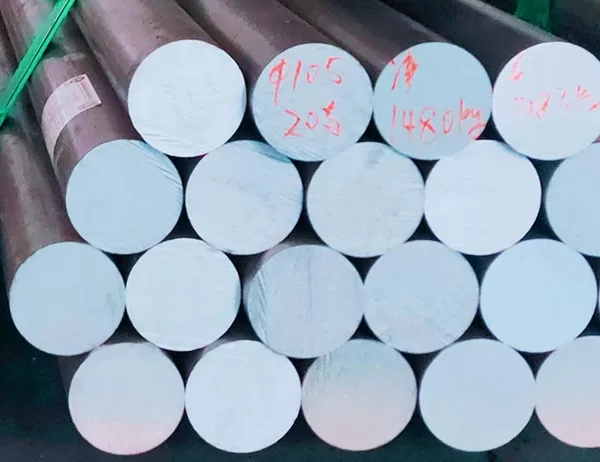
The choice of aluminum alloy plays a vital role in the thermal performance and durability of the heat sink. High-thermal conductivity alloys, such as 6061-T6, have excellent heat transfer capabilities. Tensile strength and corrosion resistance are also critical factors to consider, depending on the specific application.
The design of the heat sink significantly influences its effectiveness. Factors like fin height, spacing, and thickness need precise calculations to maximize heat dissipation. Computational fluid dynamics (CFD) simulations can aid in optimizing the design by predicting airflow patterns and identifying areas of heat concentration.
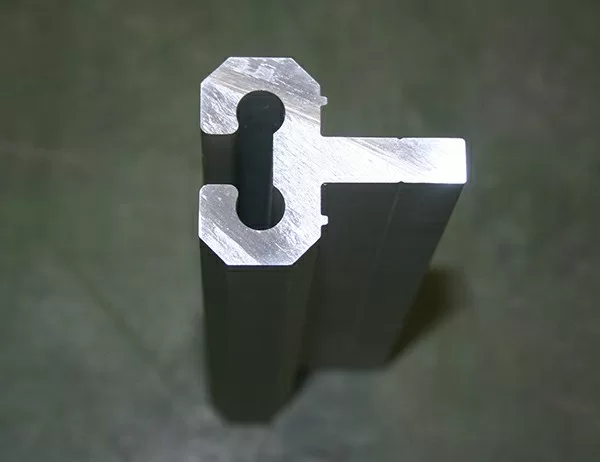
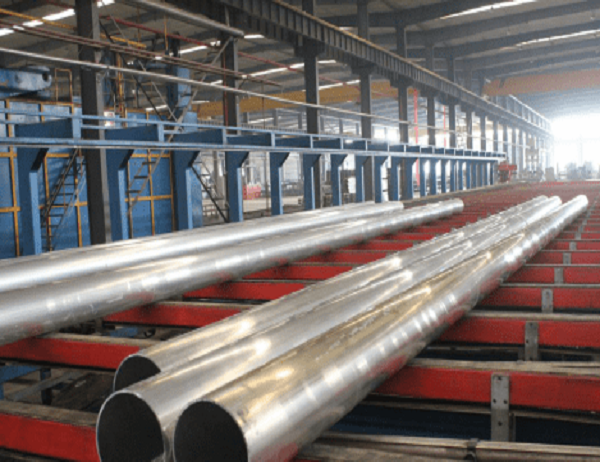
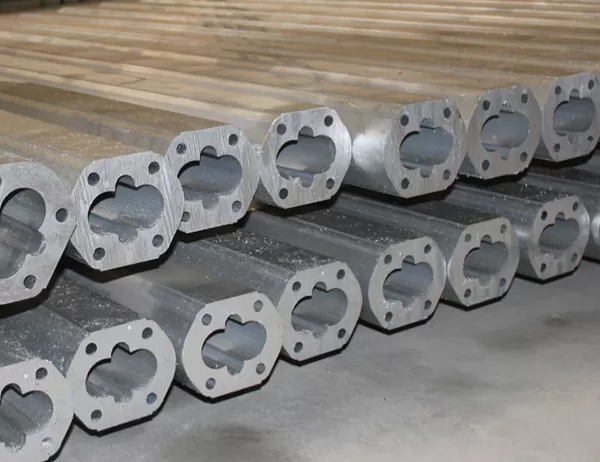
Various techniques can be employed for aluminum heat sink fabrication, including extrusion, forging, machining, and casting. Extrusion and forging offer high-volume production with consistent quality, while machining provides greater flexibility for complex designs. Each technique has its strengths and trade-offs, requiring careful selection based on the desired shape, quantity, and cost.
Surface treatment enhances the heat sink’s thermal performance by promoting heat transfer. Anodizing creates a protective oxide layer that increases the surface area and improves thermal emissivity. Chemical etching provides additional surface roughness, further enhancing heat dissipation.
Proper assembly and integration ensure the heat sink’s seamless integration with the electronic device. Thermal interface materials, such as thermal grease or pads, facilitate heat transfer between the device and the heat sink. Proper mounting techniques, like screws or clips, secure the heat sink while minimizing thermal resistance.
Testing and validation are essential to verify the heat sink’s performance and ensure its reliability. Thermal testing measures the heat dissipation capacity under various operating conditions. Material analysis ensures material integrity and compliance with specifications. These tests provide confidence in the heat sink’s ability to effectively cool the electronic device.
Adhering to best practices for fabricating aluminum heat sinks is paramount for achieving optimal thermal performance, reliability, and cost-effectiveness. Material selection, design optimization, manufacturing techniques, surface treatment, assembly and integration, and testing and validation are interconnected aspects that demand sorgfältiger consideration. By following these guidelines, manufacturers can produce high-quality aluminum heat sinks that enable electronic devices to operate efficiently and flawlessly.