The fabrication of solar aluminum profiles plays a crucial role in ensuring the efficiency and durability of solar energy systems. The following best practices provide guidelines for manufacturers to achieve optimal results:
Material Selection
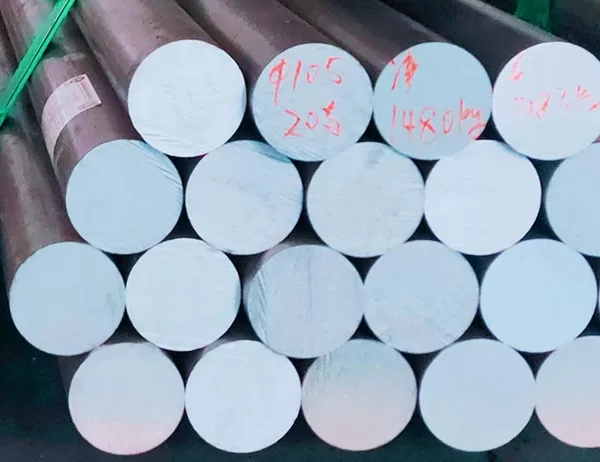
The choice of aluminum alloy for solar profiles is critical. Alloys such as 6005-T5 and 6061-T6 offer excellent strength, corrosion resistance, and electrical conductivity. Proper heat treatment enhances these properties, ensuring the profiles can withstand the rigors of outdoor environments.
Extrusion Process
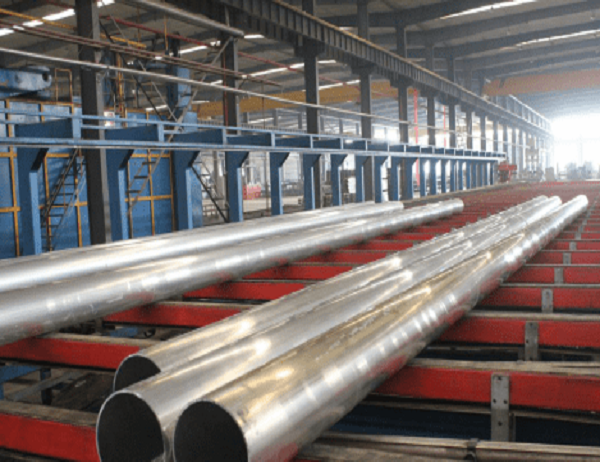
Precise extrusion is essential for producing profiles with consistent dimensions and surface quality. To avoid defects, the extrusion temperature, speed, and die design must be carefully controlled. Vacuum degassing removes impurities, improving the strength and corrosion resistance of the profiles.
Anodizing
Anodizing creates a protective oxide layer on the aluminum surface, enhancing its corrosion resistance and increasing its ability to absorb solar radiation. The thickness and color of the oxide layer can be customized to meet specific project requirements.
Surface Preparation
Proper surface preparation before anodizing is critical for optimal adhesion and corrosion resistance. This includes mechanical cleaning, chemical etching, and rinsing. By removing surface contaminants and etching the aluminum, the anodizing solution can penetrate more effectively.
Quality Control
Throughout the fabrication process, rigorous quality control measures should be implemented. These include dimensional inspections, surface finish evaluations, and electrical conductivity tests. By adhering to strict quality standards, manufacturers can ensure the profiles meet the highest performance specifications.
Other Considerations
In addition to the above best practices, several other factors contribute to the quality of solar aluminum profiles:
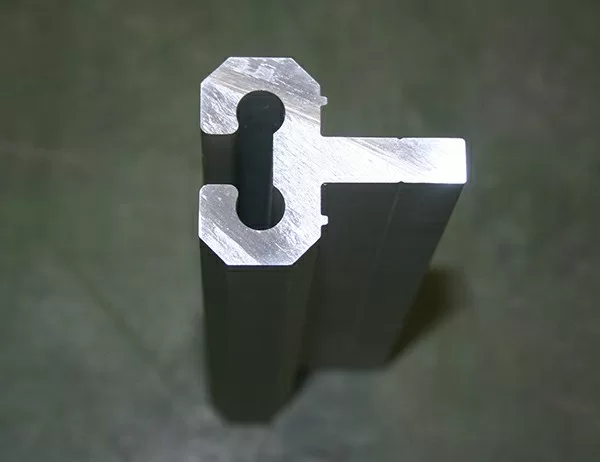
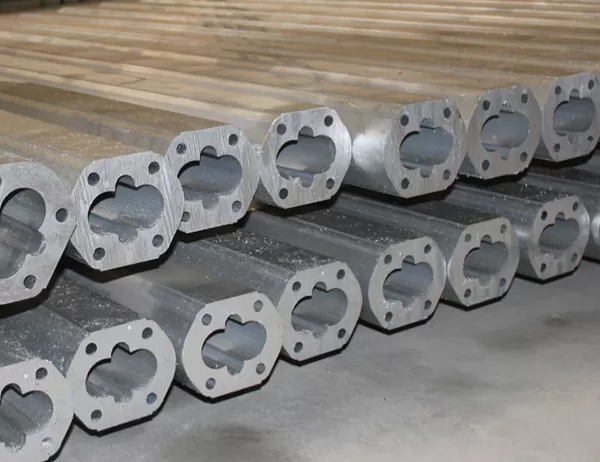
– Design: The profile design should optimize structural strength, heat dissipation, and ease of installation.
– Assembly: Proper assembly techniques, such as precision welding or mechanical fastening, ensure the profiles form a secure and weather-resistant structure.
– Environmental Considerations: The fabrication process should minimize environmental impact by reducing waste and using eco-friendly materials and processes.
Conclusion
By following these best practices, solar aluminum profile manufacturers can produce high-quality products that meet the demanding requirements of solar energy applications. These profiles ensure optimal energy generation, longevity, and aesthetic appeal, contributing to the advancement of renewable energy solutions.