Introduction
Case Studies: Successful Projects Using Extruded Aluminum Tubes presents a comprehensive collection of real-world applications that showcase the versatility and effectiveness of extruded aluminum tubes. This article explores the key reasons behind the widespread adoption of these tubes and highlights specific projects that exemplify their benefits. By delving into case studies from various industries, readers will gain insights into the transformative power of extruded aluminum tubes and their potential to enhance product design and functionality.
Versatility in Design and Fabrication
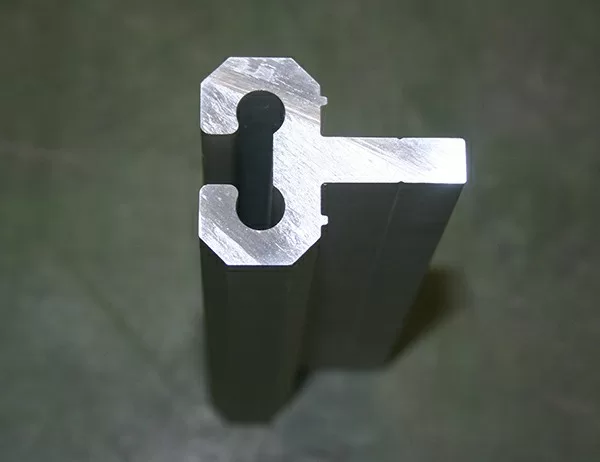
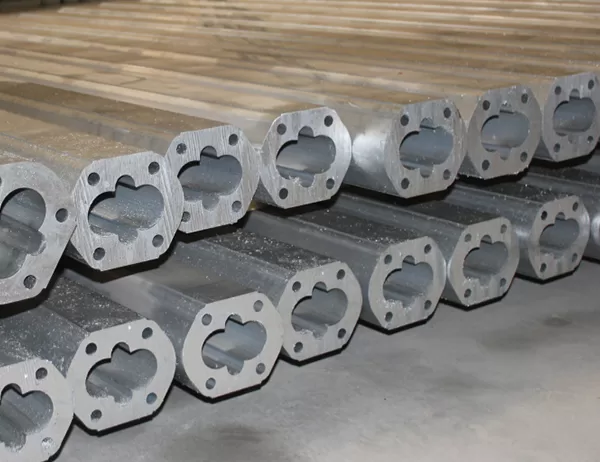
Extruded aluminum tubes offer exceptional design freedom due to their ability to be shaped into complex geometries. This versatility allows for seamless integration into a wide range of products, from lightweight structural components to intricate medical devices. The uniformity and precision of the extrusion process ensure consistency and repeatability in manufacturing, enabling mass production of complex parts with tight tolerances.
Lightweight and Durable
Aluminum is known for its high strength-to-weight ratio, making extruded aluminum tubes ideal for applications where weight reduction is critical. These tubes are considerably lighter than steel or other materials, reducing the overall weight of the product while maintaining structural integrity. The high strength of aluminum also provides excellent resistance to impact, bending, and corrosion, ensuring longevity and reliability in demanding environments.
Thermal Conductivity and Electrical Insulation
Extruded aluminum tubes are highly efficient thermal conductors, facilitating heat transfer and dissipation. This property makes them suitable for use in heat sinks, thermal management systems, and electronic components. Additionally, aluminum is an excellent electrical insulator, preventing electrical shorts and providing a safe and effective solution for electrical applications.
Aerospace Applications
In the aerospace industry, extruded aluminum tubes play a vital role in structural components, such as aircraft frames, wings, and landing gear. Their lightweight yet durable nature enables aircraft designers to optimize weight and performance. The high thermal conductivity of aluminum helps manage heat generated by engine components, while its electrical insulation prevents electromagnetic interference.
Medical Devices
Extruded aluminum tubes are widely used in the medical device industry due to their biocompatibility, corrosion resistance, and precision manufacturing capabilities. They are ideal for the fabrication of surgical instruments, medical implants, and diagnostic equipment. The smooth surface of aluminum tubes allows for easy cleaning and sterilization, ensuring patient safety and reducing the risk of infection.
Automotive Applications
Extruded aluminum tubes find extensive use in the automotive industry, particularly in chassis components, powertrain components, and interior trim. Their lightweight construction reduces vehicle weight, improving fuel efficiency and performance. The durability of aluminum ensures long-lasting performance under challenging operating conditions, such as extreme temperatures and vibration.
Conclusion
Case Studies: Successful Projects Using Extruded Aluminum Tubes provides compelling evidence of the transformative potential of extruded aluminum tubes across a diverse range of industries. Their versatility, lightweight, durability, thermal conductivity, and electrical insulation make them an ideal choice for engineers and designers seeking to optimize product performance, enhance functionality, and reduce costs. By showcasing real-world examples of successful applications, this article inspires innovation and sets a benchmark for future product development.