Aluminium: The Unsung Hero of Electronic Cooling
In the realm of consumer electronics, where sleek designs and powerful performance are paramount, heat management plays a crucial role in ensuring device longevity and user satisfaction. Aluminium, a versatile and lightweight metal, has emerged as a highly effective material for creating heat sinks that dissipate excess heat from electronic components.
Why Aluminium?
Aluminium possesses several key properties that make it ideal for heat dissipation:
High Thermal Conductivity: Aluminium has a high thermal conductivity, allowing it to transfer heat rapidly away from the source.
Lightweight: Aluminium is lightweight, reducing the overall weight of the device and minimizing strain on its internal components.
Corrosion Resistance: Aluminium is highly resistant to corrosion, making it suitable for use in harsh environments where moisture and dust are present.
Cost-Effective: Aluminium is relatively inexpensive to produce, making it a cost-effective solution for large-scale manufacturing.
Application in Consumer Electronics
Aluminium heat sinks are widely used in various consumer electronic devices, including:
Smartphones: Smartphones generate significant heat during high-intensity activities such as gaming and video streaming. Aluminium heat sinks help regulate device temperatures, preventing overheating and potential damage to internal components.
Laptops: Laptops are often designed with aluminium heat sinks to dissipate heat from their powerful processors and graphics cards. This prevents thermal throttling, ensuring uninterrupted performance and extended device life.
Gaming Consoles: Gaming consoles require robust cooling systems to handle the intense heat generated by high-performance games. Aluminium heat sinks are commonly used to cool the console’s CPU, GPU, and other heat-producing components.
Implementation
The design and implementation of aluminium heat sinks vary depending on the device and cooling requirements. Common designs include:
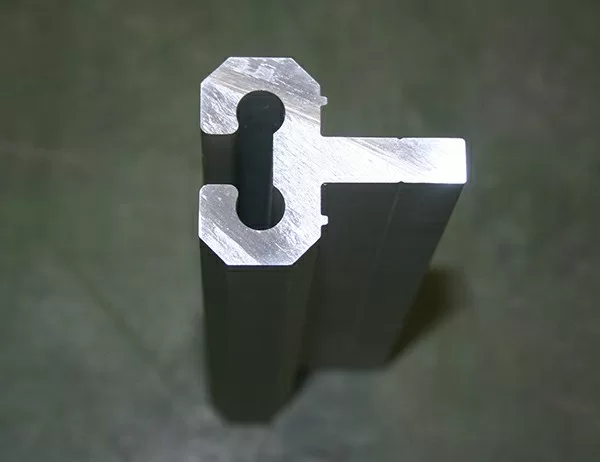
Extruded Heat Sinks: Extruded heat sinks are fabricated by forcing molten aluminium through a die, forming fins that increase the surface area for heat transfer.
Cold Forged Heat Sinks: Cold forging involves shaping aluminium blanks using high pressure, producing heat sinks with precise dimensions and high thermal performance.
Hybrid Heat Sinks: Hybrid heat sinks combine different materials, such as copper or carbon fiber, with aluminium for enhanced heat dissipation capabilities.
Conclusion
Aluminium heat sinks are essential components in consumer electronics, providing effective heat dissipation and extending device lifespans. Their high thermal conductivity, lightweight nature, corrosion resistance, and cost-effectiveness make them an ideal choice for manufacturers seeking reliable thermal management solutions. By harnessing the power of aluminium, manufacturers can create devices that perform optimally, delight users, and stand the test of time.