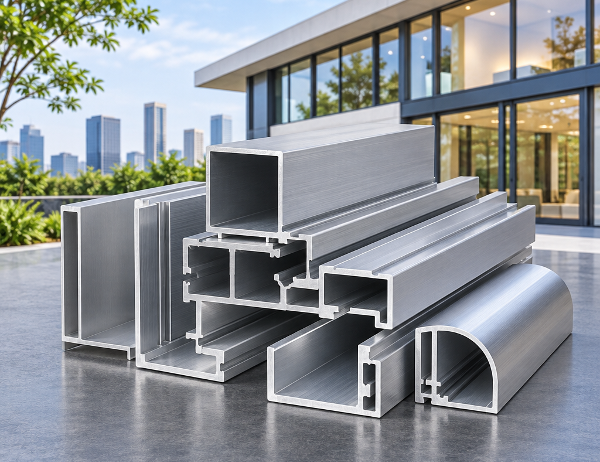
In the realm of construction and design, selecting the appropriate aluminum frame profile is paramount to ensuring both the structural integrity and aesthetic appeal of your project. By considering a multitude of factors, from strength to finish, you can make an informed decision that aligns with your specific requirements.
Strength and Durability
The strength of an aluminum frame profile is directly related to its thickness and alloy composition. Thicker profiles provide greater rigidity and load-bearing capacity, making them suitable for high-traffic or load-bearing applications such as entrances, windows, and curtain walls. Common alloy compositions for aluminum frames include 6061, 6063, and 6082, which offer varying levels of strength, corrosion resistance, and weldability.
Finish and Aesthetics
The finish of an aluminum frame profile encompasses its color, texture, and surface treatment. Powder coating is a popular choice for aluminum frames, offering a wide range of color options and excellent durability against scratches, fading, and corrosion. Other finishes include anodizing, which produces a protective oxide layer that enhances resistance to corrosion and wear, and sublimation printing, which allows for intricate designs and graphics to be incorporated into the frame.
Thermal Performance
Thermal performance is crucial in energy-efficient buildings and can be influenced by the choice of aluminum frame profile. Profiles with thermal breaks, such as those incorporating extruded nylon or polyurethane, effectively reduce heat transfer between the interior and exterior of the frame, minimizing thermal losses and improving energy efficiency.
Customization and Compatibility
Customizable aluminum frame profiles allow for precise tailoring to specific project requirements. From shape and size to finish and accessories, you can tailor the profile to seamlessly integrate with other building materials and meet your unique design vision. Additionally, compatibility with other components, such as glazing systems and hardware, is essential for ensuring a cohesive and functional frame.
Cost and Availability
The cost of an aluminum frame profile is influenced by its dimensions, finish, and customization options. However, it is important to consider the long-term value and durability of the profile. Aluminum frames offer a cost-effective solution that requires minimal maintenance and has a long lifespan.
Sustainability
Sustainability is increasingly important in construction projects, and aluminum frames contribute to this goal. Aluminum is highly recyclable and can be reused indefinitely, reducing environmental impact. Additionally, energy-efficient aluminum frames can contribute to reduced carbon emissions over the life of the building.
Choosing the right aluminum frame profile is a critical decision that requires careful consideration of multiple factors. By assessing strength, durability, finish, thermal performance, customization, cost, and sustainability, you can select a profile that meets the unique requirements of your project and ensures both functionality and aesthetic excellence.