Extruded aluminum tubes are versatile and durable components used in various industries, from construction to automotive. Selecting the right extruded aluminum tube for your project requires careful consideration of several key factors. This article explores these factors to guide you in making an informed decision.
Material Properties: Temper and Alloy Selection
The temper of extruded aluminum tubes refers to its strength and hardness. Different tempers are achieved through heat treatment and alloying processes. Common tempers include T6, T4, and T5. The alloy composition also affects the properties of the tube. Choose an alloy that meets the specific strength, corrosion resistance, and weldability requirements of your application.
Dimensions: Diameter, Wall Thickness, and Length
The diameter and wall thickness of extruded aluminum tubes determine their strength and weight. Larger diameters and thicker walls provide greater structural integrity but result in heavier tubes. Conversely, smaller diameters and thinner walls offer lightweight solutions but may have reduced load-bearing capacity. The length of the tube should be carefully chosen to avoid excessive material waste or insufficient reach.
Extrusions: Shape and Complexity
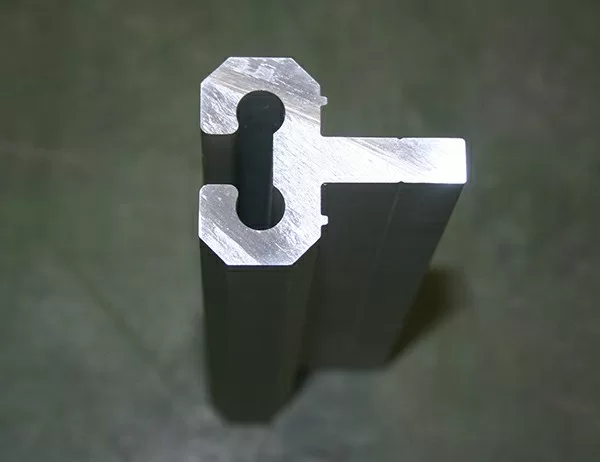
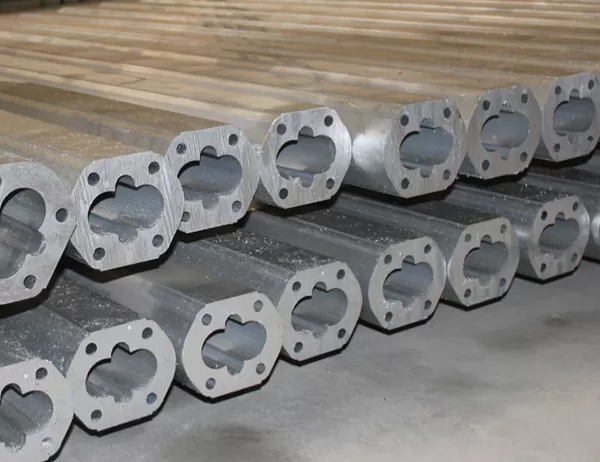
The shape of extruded aluminum tubes can be customized to suit specific needs. Round tubes are common for general-purpose applications, while square or rectangular tubes offer greater strength in certain orientations. Complex shapes can be created through specialized extrusion processes, enhancing the functionality of the tube and reducing the need for additional fabrication.
Surface Finish: Anodizing and Painting
The surface finish of extruded aluminum tubes affects their appearance and durability. Anodizing creates a protective oxide layer that enhances corrosion resistance and wear resistance. Painting provides a wide range of color options and can further enhance weatherproofing capabilities. Choose a surface finish that complements the aesthetics and environmental conditions of your project.
Tolerances: Precision and Accuracy
The tolerances of extruded aluminum tubes refer to deviations from their nominal dimensions. Tighter tolerances ensure greater precision and accuracy, but they come at a higher cost. Looser tolerances are more economical but may compromise the fit and performance of the tube in certain applications. Specify tolerances that meet the functional requirements of your project.
Joining Methods: Welding and Fastening
The joining method for extruded aluminum tubes depends on the material and application requirements. Welding is a permanent bonding technique that provides strong and durable connections. Fastening methods, such as screws or rivets, offer a more flexible and less permanent solution. Choose a joining method that ensures the structural integrity and ease of assembly for your project.
Quality Standards: Certifications and Inspections
Extruded aluminum tubes should meet recognized industry standards to ensure quality and reliability. Look for tubes that are certified to relevant standards, such as ASTM or ISO. Additionally, ensure that the manufacturing facility undergoes regular inspections to maintain a consistent level of quality.