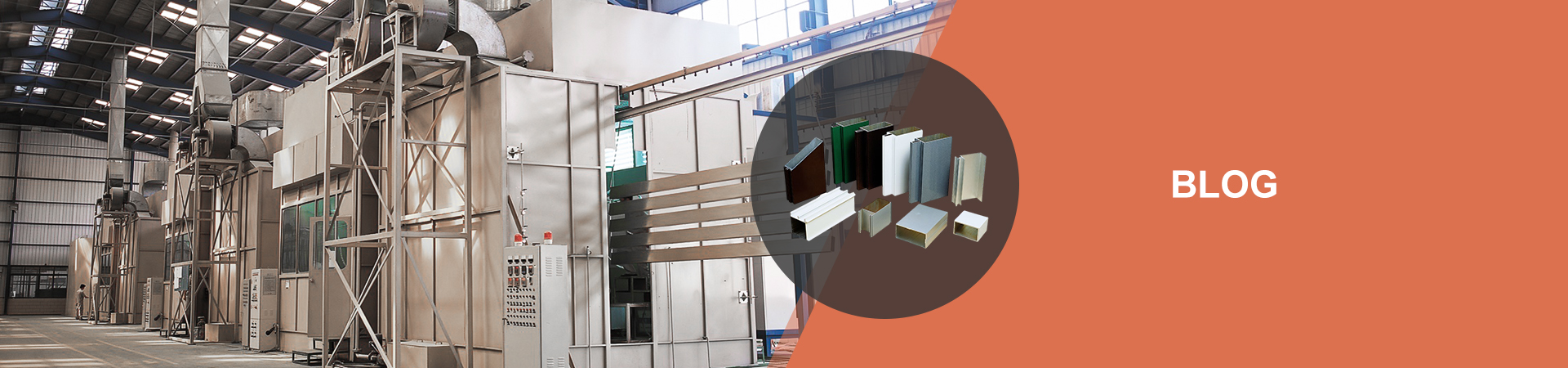
Industrial aluminum profiles are widely used in various industries due to their exceptional properties, such as high strength-to-weight ratio, corrosion resistance, and versatility. Selecting the right industrial aluminum profile for your specific application is crucial to ensure optimal performance and longevity. This article provides an in-depth guide to help you make an informed decision.
Factors to Consider
Several key factors should be considered when choosing an industrial aluminum profile:
Strength and Rigidity:
The strength and rigidity of the profile depend on its alloy composition and cross-sectional shape. Determine the required mechanical properties, such as tensile strength, yield strength, and bending strength, based on the intended application.
Corrosion Resistance:
Industrial aluminum profiles are typically treated with protective coatings, such as anodizing or powder coating, to enhance their corrosion resistance. Consider the operating environment, including exposure to moisture, chemicals, or abrasives, and select an appropriate coating system.
Surface Finish:
The surface finish of the profile affects its aesthetic appeal and functionality. Options range from mill finish to anodized, polished, or powder-coated. Consider factors such as desired appearance, need for reflectivity, and ease of cleaning.
Machinability:
Industrial aluminum profiles are often subjected to machining operations, such as cutting, drilling, or tapping. Choose a profile with good machinability to minimize tool wear and ensure precise processing.
Size and Shape:
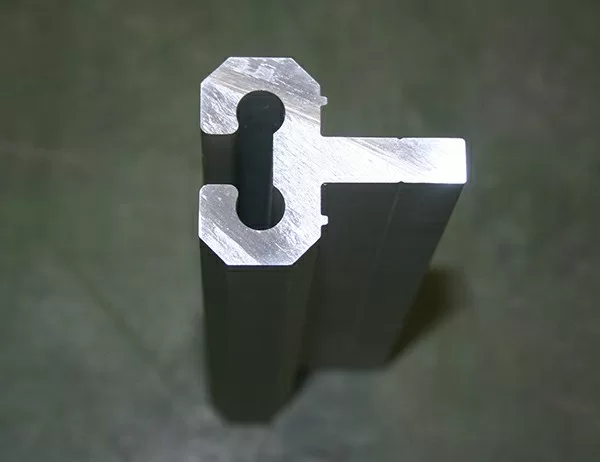
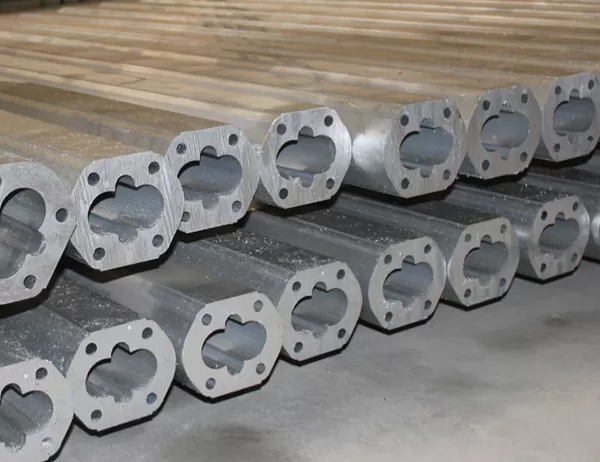
The size and shape of the profile are determined by the application’s requirements. Consider the dimensions, including length, width, and thickness, as well as the shape, such as rectangular, square, or custom-designed.
Application-Specific Considerations
In addition to these general factors, consider application-specific considerations to optimize profile selection:
Automotive:
Lightweight, high-strength aluminum profiles are used in automotive components, such as chassis, body panels, and engine mounts. Prioritize corrosion resistance and strength-to-weight ratio.
Aerospace:
Aluminum profiles are used in aircraft and spacecraft due to their high strength and low weight. Strict requirements for corrosion resistance and durability must be met.
Medical:
Aluminum profiles are employed in medical devices and equipment due to their biocompatibility and resistance to disinfectants. Focus on sterile finishes and compliance with industry regulations.
Construction:
Industrial aluminum profiles are used in building facades, window frames, and structural components. Consider factors such as wind load resistance, thermal insulation, and aesthetic appeal.
Conclusion
Choosing the right industrial aluminum profile for your application requires careful consideration of factors such as strength, corrosion resistance, surface finish, machinability, size and shape, and application-specific requirements. By following these guidelines, you can ensure the optimal performance and durability of your aluminum profile, maximizing its value and meeting the demands of your specific project.