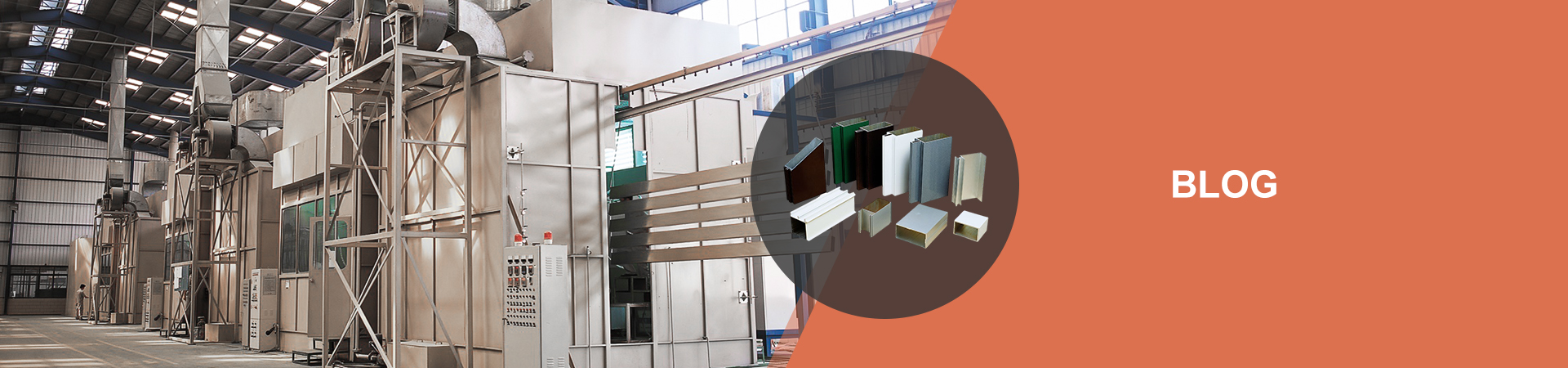
Extruded aluminum tubes offer numerous advantages in various industrial applications due to their exceptional strength, durability, and versatility. However, to maximize their effectiveness, it is crucial to avoid certain common mistakes when working with extruded aluminum tubes. This article explores some key errors to be wary of and provides strategies to ensure optimal performance.
Overloading the Tube
Mistake: Excessive loading can strain the tube beyond its capacity, leading to premature failure.
Consequences: Permanent deformation, structural damage, or even catastrophic failure.
Prevention: Determine the tube’s load-bearing limits and ensure it is not subjected to excessive forces. Consider reinforcing the tube with additional supports or using tubes with thicker walls for high-load applications.
Improper Cutting and Joining
Mistake: Incorrect cutting techniques or improper joining methods can compromise the structural integrity of the tube.
Consequences: Stress concentrations, reduced strength, or leaks.
Prevention: Use sharp cutting tools and maintain a straight, clean cut. Ensure proper alignment and use the appropriate joining techniques, such as welding, mechanical fasteners, or adhesives, following established guidelines.
Exposure to Corrosive Environments
Mistake: Failure to protect the tube from corrosive substances or environments can lead to surface degradation and reduced lifespan.
Consequences: Pitting, weakening, discoloration, or even complete failure.
Prevention: Choose aluminum alloys that are resistant to the expected corrosive agents. Apply protective coatings, such as anodizing or powder coating, to create a barrier against corrosive elements. Monitor and maintain the tube regularly to prevent exposure to harmful substances.
Neglecting Lubrication
Mistake: Insufficient or improper lubrication can cause friction and wear on the tube’s surface.
Consequences: Reduced performance, energy inefficiencies, increased heat generation, and premature failure.
Prevention: Use appropriate lubricants specified for aluminum alloys. Apply them regularly to mating surfaces to minimize friction and ensure smooth operation. Consider using dry lubricants or coatings for applications where wet lubrication may be impractical.
Ignoring Temperature Considerations
Mistake: Failing to account for changes in temperature can affect the tube’s dimensions and performance.
Consequences: Dimensional distortion, buckling, or loss of strength.
Prevention: Understand the thermal expansion coefficient of the aluminum alloy and design accordingly. Allow for expansion and contraction by providing clearances or using flexible connections. Consider using heat-resistant alloys or coatings for applications involving extreme temperatures.
Conclusion
By avoiding these common mistakes when using extruded aluminum tubes, you can enhance their performance, extend their lifespan, and ensure their safe and efficient operation. Proper handling, careful installation, and regular maintenance are essential for maximizing the benefits of these versatile tubes in a wide range of applications.