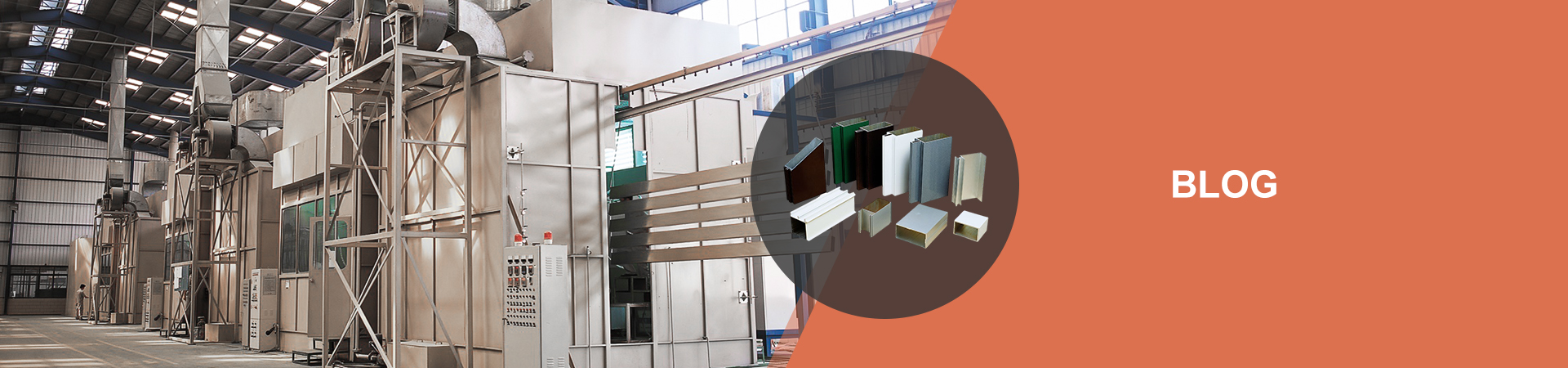
Industrial aluminum profiles are highly versatile components that offer numerous advantages for various engineering applications. However, to harness their full potential, it’s crucial to steer clear of common pitfalls that can jeopardize their effectiveness and longevity.
Unrealistic Expectations:
Aluminum profiles may possess impressive strength and durability, but they have limitations. Avoid overloading them or subjecting them to excessive forces that could compromise their integrity.
Improper Joining Methods:
The choice of joining method plays a pivotal role in the stability of the final structure. Select the appropriate method based on the profile’s dimensions, the load it will bear, and the desired degree of flexibility. Ensure to execute welding, riveting, or bolting with precision to avoid compromising joint strength.
Precision Imperatives:
Industrial aluminum profiles are precision-machined components, and even minor dimensional deviations can impact their functionality. Pay meticulous attention to tolerances to ensure seamless assembly and prevent unexpected failures.
Corrosion Control:
Aluminum is resistant to corrosion, but its protective oxide layer can become compromised in certain environments. Employ appropriate protective coatings or anodizing treatments to safeguard the profiles against corrosion and extend their lifespan.
Thermal Considerations:
Aluminum conducts heat efficiently, which can be both an advantage and a liability. Consider the temperature fluctuations and heat sources in the operating environment and take measures to mitigate excessive heat buildup or maintain thermal stability.
Electrical Hazard Mitigation:
In electrical applications, electrical isolation is essential to prevent short circuits and accidents. Use appropriate insulators and take precautions to prevent accidental contact between profiles and live electrical components.
Incompatibility Concerns:
Industrial aluminum profiles may have specific requirements regarding their compatibility with other materials. Avoid direct contact with dissimilar metals, such as steel, to minimize the risk of galvanic corrosion.
Improper Handling:
Careless handling during transportation, installation, and operation can damage aluminum profiles. Protect them from impact, bending, or excessive vibration to preserve their structural integrity.
Maintenance and Inspection:
Regular maintenance and inspection are crucial for detecting any potential issues and ensuring the long-term reliability of aluminum profile structures. Conduct periodic visual inspections to identify early signs of damage, corrosion, or wear.
By avoiding these common mistakes, you can leverage the exceptional qualities of industrial aluminum profiles to create robust, cost-effective, and long-lasting engineering solutions.