Aluminium extrusion is a versatile manufacturing process that can produce complex shapes and profiles from aluminium alloys. Selecting the right extrusion supplier is crucial to ensure the quality, cost-effectiveness, and timeliness of your project. This article provides a comprehensive guide to comparing aluminium extrusion suppliers, identifying key factors to consider during the evaluation process.
Quality Standards
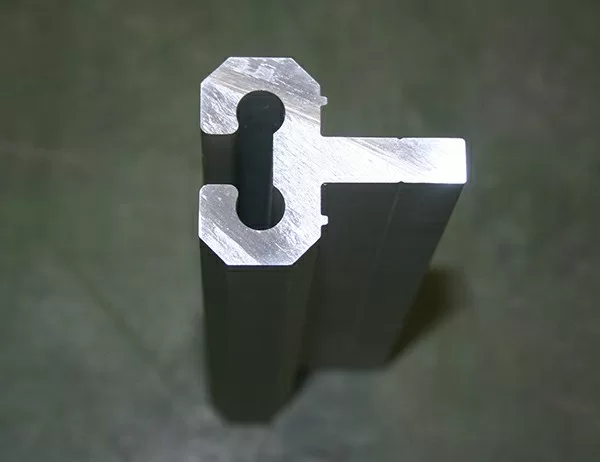
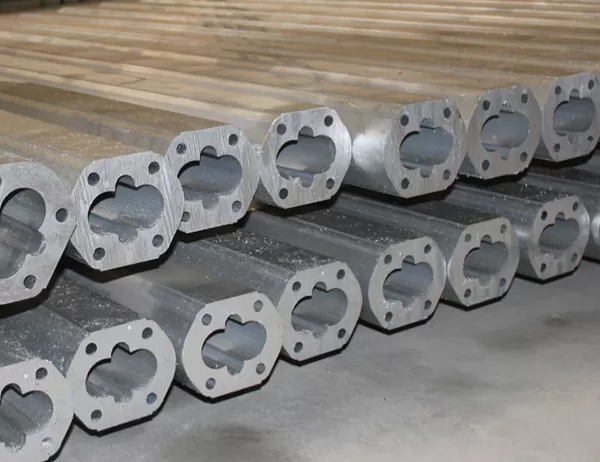
Extrusion Capabilities: Assess the supplier’s capabilities regarding extrusion press size, profile complexity, and tolerance requirements. Ensure they possess the equipment and expertise to meet your design specifications.
Material Certifications: Verify that the supplier complies with industry standards for the aluminium alloys they use. Seek suppliers that hold certifications such as ISO 9001 and AS 9100 to ensure quality and traceability.
Surface Finish: Consider the supplier’s ability to provide various surface finishes, such as anodizing, powder coating, or painting. Evaluate their experience in achieving the desired aesthetic and functional requirements for your application.
Production Capacity and Efficiency
Lead Times: Determine the supplier’s average lead times for extrusion production and delivery. Consider the impact of lead times on your project schedule and budget constraints.
Batch Sizes: Assess the supplier’s flexibility in handling different batch sizes, from small prototypes to large-scale production runs. Choose suppliers that can accommodate your production volume requirements.
Process Optimization: Inquire about the supplier’s use of technology and automation in their extrusion process. Efficient production methods can enhance product quality, reduce costs, and improve delivery times.
Cost and Value
Pricing: Compare the pricing structures of different suppliers, including raw material costs, tooling charges, and labor rates. Consider the total cost of ownership, not just the unit price.
Tooling Investment: Assess the supplier’s tooling capabilities and the costs associated with developing new dies. Choose suppliers that offer competitive tooling costs and provide support for design optimization.
Value-Added Services: Evaluate the supplier’s ability to provide additional services such as design assistance, inventory management, or logistical support. These services can enhance the value proposition and reduce your overall project costs.
Technical Support and Collaboration
Engineering Capabilities: Consider the supplier’s engineering expertise and ability to collaborate on design optimization and problem-solving. Choose suppliers with a strong technical team that can provide guidance and support throughout the extrusion process.
Communication and Responsiveness: Assess the supplier’s communication channels, response times, and willingness to engage with customers. Effective communication ensures timely decision-making and minimizes production delays.
Innovation and R&D: Evaluate the supplier’s commitment to innovation and research and development. Choose suppliers that invest in new technologies and seek ways to improve their extrusion processes and products.