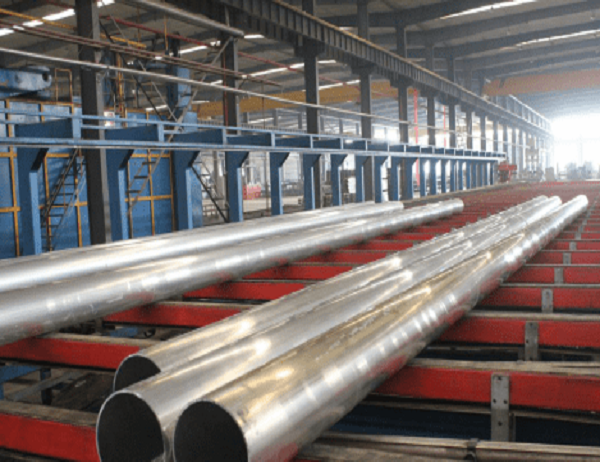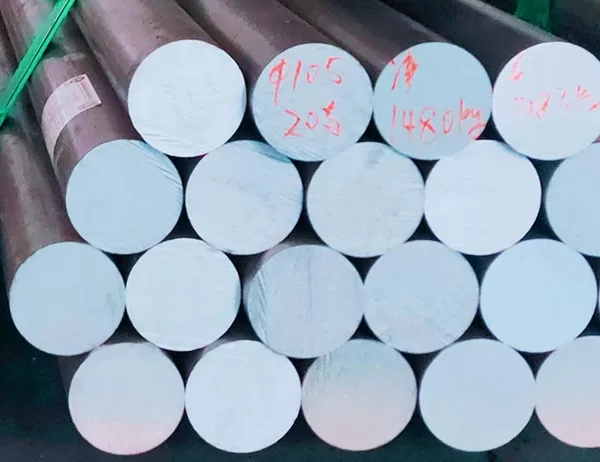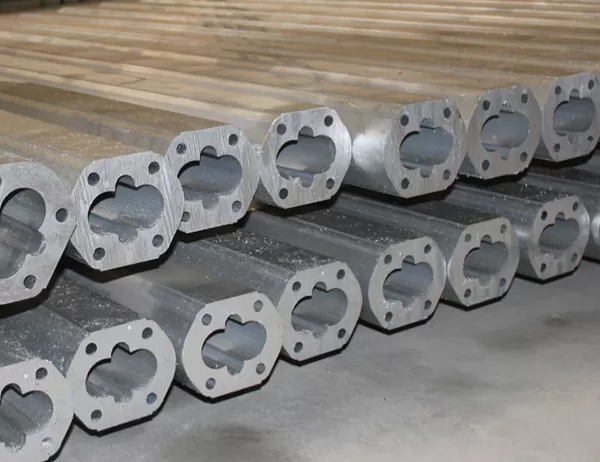
In a vast array of industrial applications, the choice of tubing material is crucial, as it determines a product’s performance, durability, and cost-effectiveness. Aluminum alloy, steel, and plastic tubing emerge as popular options, each with its unique advantages and drawbacks. This article aims to provide an in-depth comparison between these three materials, offering an impartial analysis to aid informed decision-making.
Aluminum alloy tubing exhibits exceptional strength-to-weight ratio, making it an ideal choice for applications requiring lightweight yet durable structures. It possesses higher tensile strength than many steels and can withstand significant loads without compromising its integrity. Steel tubing, known for its unmatched structural rigidity, surpasses aluminum alloy in strength, offering superior resistance to bending and deformation. However, plastic tubing falls short in strength compared to the other two materials, with its primary advantage lying in its flexibility.
Aluminum alloy tubing boasts excellent corrosion resistance due to its protective oxide layer, making it suitable for harsh environments with exposure to moisture or chemicals. Steel tubing, on the other hand, is prone to rust and corrosion if not properly protected with coatings or treatments. Plastic tubing offers varying levels of corrosion resistance depending on its specific composition, with some grades well-suited for resisting acids, bases, and solvents.
Aluminum alloy tubing stands apart with its exceptional lightweight, making it ideal for applications where weight reduction is paramount. Steel tubing is significantly heavier, but also more robust and durable. Plastic tubing, while lighter than steel, is denser than aluminum, but often offers the advantage of being flexible and moldable.
Aluminum alloy tubing typically falls within the mid-range in terms of cost, while steel tubing is generally more affordable. Plastic tubing offers a relatively low-cost option, making it attractive for applications where cost constraints are a factor. However, availability can vary depending on location and specific grade requirements.
Aluminum alloy tubing finds widespread application in automotive, aerospace, and construction industries, where lightweight, durable, and corrosion-resistant properties are critical. Steel tubing is extensively used in structural applications, such as bridges, buildings, and heavy machinery, due to its exceptional strength and rigidity. Plastic tubing is commonly found in automotive fluid lines, medical devices, and packaging, benefiting from its flexibility, low cost, and resistance to certain chemicals.
Aluminum alloy, steel, and plastic tubing each possess distinct advantages and limitations, making their suitability dependent on specific application requirements. Understanding the strengths and weaknesses of these materials allows designers and engineers to make informed choices, ensuring optimal performance and cost-effectiveness for their products. In summary, aluminum alloy tubing offers a balance of strength, corrosion resistance, and lightweight, while steel tubing excels in structural rigidity and durability, and plastic tubing provides flexibility, low cost, and resistance to certain chemicals.