Comparing Aluminum Profiles to Other Cabinet Materials: A Battle of Strength and Style
In the realm of cabinet construction, materials play a pivotal role in shaping aesthetics, durability, and functionality. Among the diverse array of options, aluminum profiles stand out as a compelling choice, offering a unique blend of advantages that set them apart from traditional materials.
Durability: A Fortress of Resistance
Aluminum profiles boast exceptional strength and durability. Their construction withstands the rigors of everyday use, resisting dents, scratches, and other forms of damage. This resilience makes them ideal for high-traffic areas or applications that demand longevity. Unlike wood or laminated materials, aluminum profiles will not warp or buckle under moisture or temperature fluctuations.
Style: A Canvas for Creativity
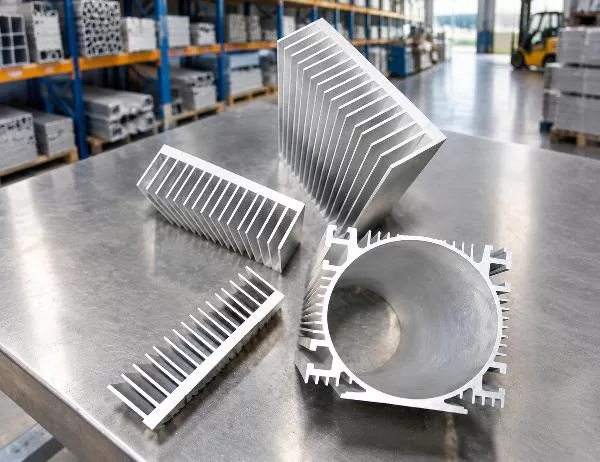
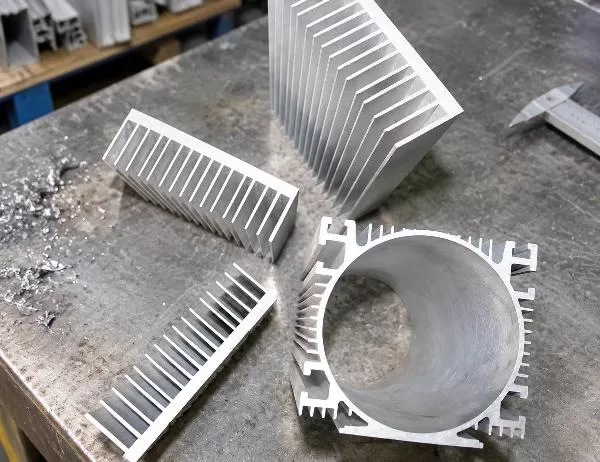
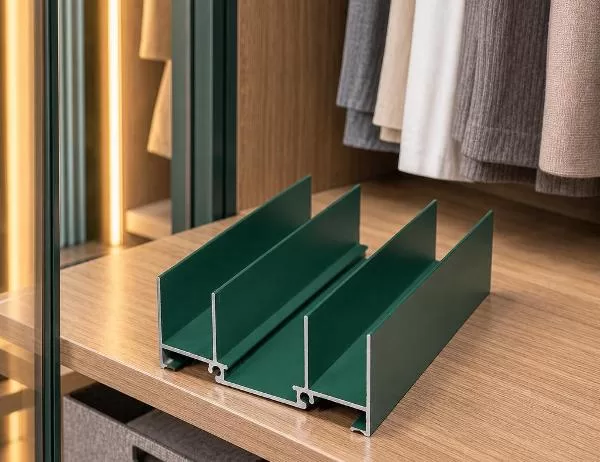
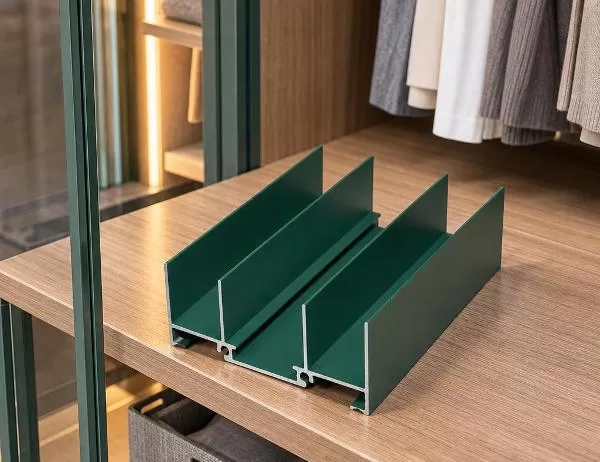
Beyond their durability, aluminum profiles offer unmatched versatility in design. They can be extruded into intricate profiles, creating sleek and sophisticated lines that complement any decor. From modern kitchens to contemporary offices, aluminum profiles seamlessly integrate into diverse aesthetic styles. Their ability to be anodized or painted allows for a wide range of colors and finishes, catering to specific design preferences.
Weight: A Feathery Delight
In comparison to other cabinet materials such as steel or wood, aluminum profiles are remarkably lightweight. This advantage makes them easy to handle during installation and reduces the overall weight of cabinets. Lightweight construction also plays a crucial role in mobility, particularly in applications where cabinets need to be frequently moved or transported.
Hygiene: A Sanctuary of Cleanliness
Aluminum’s inherent resistance to bacteria and moisture makes it an ideal choice for cabinets in food preparation areas, healthcare facilities, or other environments where hygiene is paramount. Its smooth, non-porous surface prevents the accumulation of dirt or germs, ensuring a pristine and sanitary environment.
Sustainability: A Legacy of Responsibility
Aluminum profiles contribute to sustainable design principles. Their durability prolongs the lifespan of cabinets, reducing waste. Additionally, aluminum is highly recyclable, enabling the responsible reuse of materials. By opting for aluminum profiles, consumers can make an environmentally conscious choice without compromising on quality or aesthetics.
Conclusion
When comparing aluminum profiles to other cabinet materials, the advantages are undeniable. Their strength, durability, style, weight, hygiene, and sustainability make them a compelling choice for both residential and commercial applications. Whether you seek functionality, aesthetics, or environmental responsibility, aluminum profiles offer an exceptional solution that meets the demands of modern cabinetry.