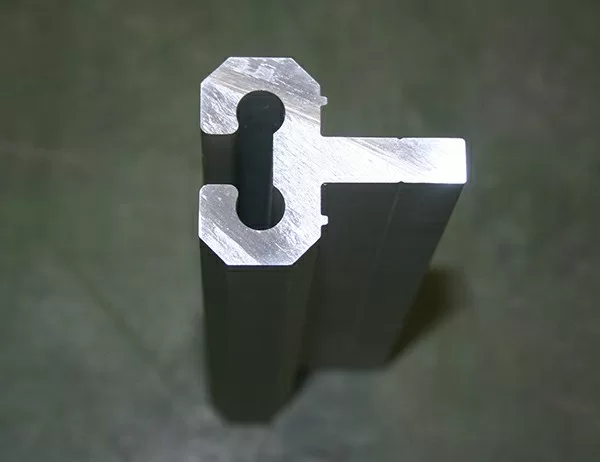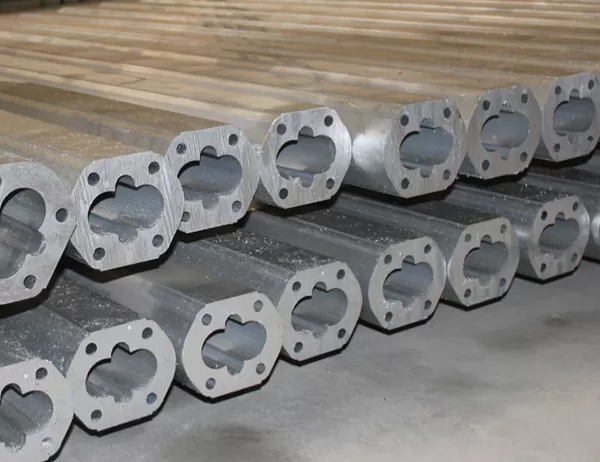
Aluminum track profiles are widely used in various industrial applications, owing to their lightweight, durability, and ease of shaping. In this article, we will explore the advantages and disadvantages of aluminum track profiles in comparison to steel and other materials. By contrasting their properties, performance, and cost, we aim to provide a comprehensive understanding of the suitability of aluminum track profiles for specific applications.
Steel is renowned for its exceptional strength and durability, making it a suitable choice for heavy-duty applications. However, aluminum alloys also offer substantial strength-to-weight ratios, providing a lightweight alternative without compromising performance. Aluminum track profiles can withstand moderate loads and are resistant to bending or deformation, making them suitable for many industrial settings.
Corrosion resistance is a crucial factor in determining the longevity of track profiles. Aluminum exhibits excellent corrosion resistance due to its naturally formed oxide layer. This layer protects the metal from oxidation and environmental factors, prolonging its lifespan. Steel, on the other hand, is susceptible to rust, which can weaken the material and compromise its structural integrity over time.
Aluminum is significantly lighter than steel, making it ideal for applications where weight is a critical consideration. The low density of aluminum allows for the production of lightweight track profiles without sacrificing strength or durability. Steel track profiles, on the other hand, are heavier, which may limit their use in weight-sensitive designs.
Machinability and formability are important considerations for track profiles that require complex shapes or precise dimensions. Aluminum is highly machinable, allowing for easy cutting, drilling, and forming. This versatility makes it suitable for intricate designs and custom applications. Steel, while strong, is less machinable and may require specialized tools or techniques.
Cost and availability play a significant role in material selection. Aluminum track profiles are generally more expensive than steel profiles. However, their lightweight and corrosion resistance often offset the higher initial cost by reducing maintenance and replacement expenses over the long term. Steel is more readily available and affordable, but its susceptibility to corrosion may lead to higher lifetime costs.
In comparing aluminum track profiles to steel and other materials, we have examined their respective strengths, durability, corrosion resistance, weight, machinability, and cost. Aluminum track profiles offer a lightweight, durable, and corrosion-resistant option for various industrial applications. They provide an excellent strength-to-weight ratio, are easy to machine and form, and offer long-term cost savings due to their extended lifespan. However, steel remains a viable choice for heavy-duty applications where high strength and lower cost are prioritized. The specific requirements of each application should ultimately guide the selection of the most suitable material.